
Everyone’s doing content marketing. That doesn’t mean they’re doing it well.
Right now, according to Demand Sage, over 80% of marketers are in the game, and more than half of all companies are putting more money into it this year.
That means one thing: the bar’s going up.
If your content doesn’t have direction, it won’t perform. It doesn’t matter how many posts you publish or how often you show up. Strategy is what separates the noise from the stuff that actually works.
In this guide, you’ll see how to build a content marketing strategy that holds up. Let’s take a look.
What’s the Essence of Content Marketing?
Content marketing goes beyond flooding the internet with posts. It’s about answering real questions, offering useful insights, and showing up with something people actually want to read, watch, or listen to.
When you do that consistently, attention follows.
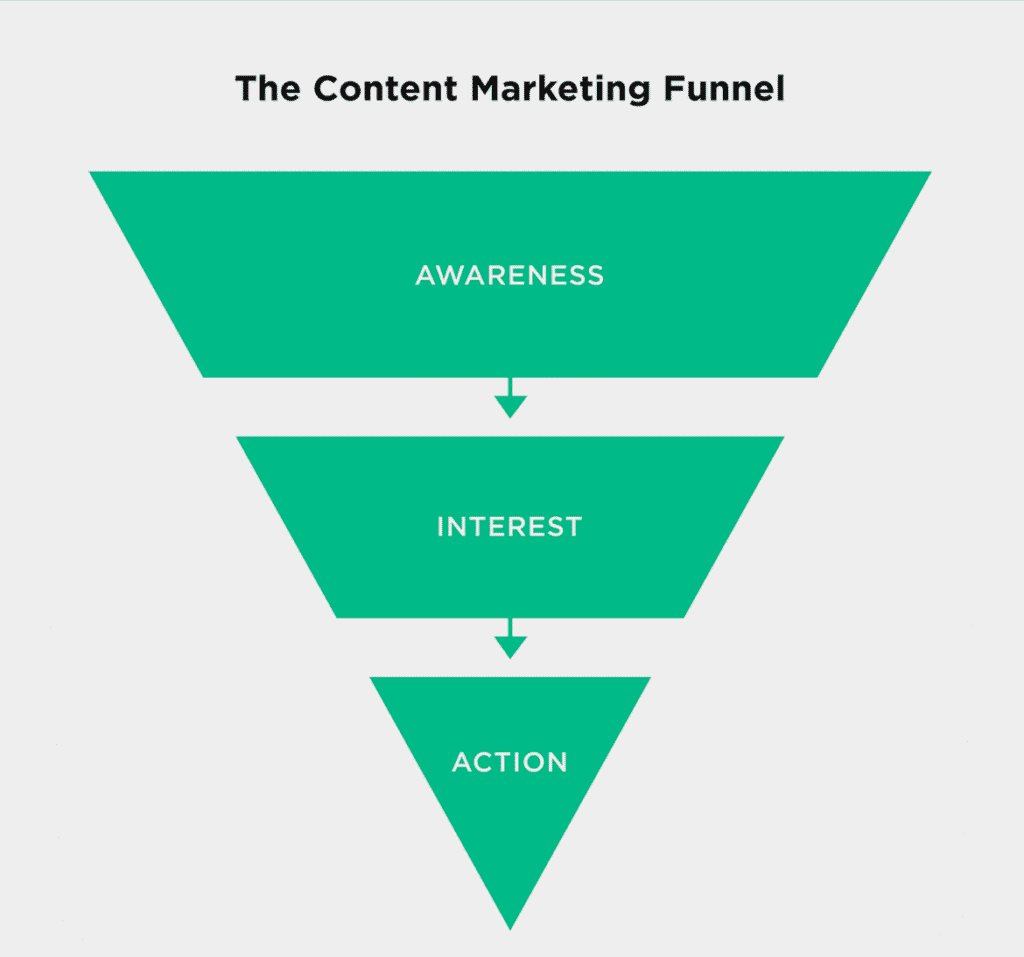
The best content strategies work because they’re built around people. Brands that get this tell real stories, offer something useful, and connect with their audience on a level that feels human.
The goal? Be the brand they trust before they’re ready to buy. And the one they choose when they are.
It doesn’t matter if it’s a blog post that breaks down a tough concept, a video that demonstrates a product, or a podcast that makes them think. Good content pulls its weight. It educates, it builds trust, and it keeps your brand top of mind.
Key Stat: 87% of marketers say content marketing drives demand. 74% use it to nurture audiences, and 52% say it builds loyalty.
The Evolution of Content Marketing
Content marketing isn’t new. It just looks different now.
Before the internet, brands were already using stories, educational materials, and media to grab attention. What changed is the scale and the tools.
Now people spend hours scrolling, searching, and scanning. And that opened the door for marketers to go global with smart, consistent content.
But reach alone isn’t enough. Modern content marketing is data-driven and personal. Marketers use analytics to understand what their audience cares about, what they ignore, and where they’re most likely to act.
We’re also working with better tools. AI, SEO, automation… all of it helps teams move faster without losing focus.
Let’s say you’re building a resource hub. With platforms like Automateed, you can turn raw ideas into long-form assets (lead magnets, eBooks, how-to guides) without writing every line by hand. The tech handles the structure, so you can stay focused on strategy.
It’s not about doing more for the sake of it. What matters here is scaling high-value content that meets your audience where they are, at every stage of the journey.
Building a Strong Content Marketing Strategy Step by Step
A content marketing strategy only works if it’s built with intent. Here’s how to do that:
1. Set Clear, Measurable Goals
Content without goals is just noise. Before you write a word or hit publish, get clear on what you’re trying to achieve and how you’ll measure it.
Are you driving traffic? Capturing leads? Supporting sales? Be specific. “More visibility” doesn’t count unless you know what that looks like in numbers.
And don’t just set goals; document them. Right now, only 43% of B2B marketers have a documented content marketing strategy, per SQ Magazine. And even though teams that do see 33% higher ROI than those that wing it.
That gap is your opportunity.
Map your content goals to real business objectives. Think: how does this piece move the needle for growth? If the connection isn’t clear, the strategy isn’t ready.
2. Understand Who You’re Talking To
If you don’t know who you’re writing for, the content won’t land. It’s that simple.
Start by defining your target audience; not just demographics, but what they care about, what they search for, and what stops them from buying.
Go beyond basic personas. Use real data: surveys, CRM insights, support tickets, search queries. Good content starts with knowing what your audience actually needs, not what you assume they want.
3. Audit Your Existing Content
Before creating something new, check what’s already there. Chances are, you’ve got content sitting in your blog, YouTube channel, or sales docs that could be reused or improved.
Run a quick audit. Identify what’s still relevant, what needs an update, and what’s just taking up space.
Look at performance too. Use analytics to spot patterns: what’s driving traffic, what’s converting, and what’s being ignored.
4. Choose the Right Channels and Content Formats
Don’t try to be everywhere. Pick the platforms your audience actually uses, and double down on the content types that make sense for how they consume info.
That could be blog posts, emails, podcasts, or short-form videos. The right type of content depends on what you’re trying to say and who you’re saying it to.
Also, think about team capacity. There’s no point committing to a weekly video if you don’t have the people to produce it well.
5. Create Valuable, Relevant Content
Content is a lever. But only if it actually solves something.
Start with topics your audience cares about. Answer real questions. Show them how to do something better or faster. Make it useful enough that they’d save it or share it.
That’s the difference between content that performs and content that just floats around the internet.
Also, don’t underestimate the basics. Per SQ Magazine, brands that use blogs strategically generate 55% more traffic and 67% more leads than those that don’t.
That’s proof that content creation still works when you do it with purpose.
6. Optimize for Reach: SEO + Distribution
Creating good content is step one. Getting it in front of people is what makes it count.
Use SEO to make sure your content gets found. That means doing keyword research, structuring posts clearly, and writing headlines that aren’t boring.
But don’t just write for Google; write for humans who scan fast and bounce even faster.
Then distribute. Email lists, social media, communities, repurposed snippets, whatever fits your content plan. Don’t just publish and hope. Get it in front of the right eyes.
7. Measure, Learn, and Improve
If you’re not tracking, you’re guessing.
Use analytics to understand what’s actually working. Look at traffic, time on page, click-throughs, and conversions. See what content supports your business goals, and what’s just noise.
But don’t stop at measurement. Use that data to tweak, cut, or double down. A solid content calendar should evolve based on results.
Storytelling: The Heart of Content Marketing
We don’t connect with bullet points. We connect with people.
That’s why storytelling is the reason people care in the first place. A product spec can be copied. A story can’t.
If your brand has values, show them. If something matters to your customers, talk about it. Sell eco-friendly clothes? Talk about who makes them. What changed in their lives? What impact are you funding? Don’t just say you’re “sustainable.” Prove it through the people behind the work.
This is what turns content into memory. It’s what builds recognition without needing a logo in the corner.
The Role of SEO in Content Marketing
Good content still needs a way in.
SEO gives your work a path. Without it, even great writing can stay buried.
That doesn’t mean force-fitting keywords or writing robotic intros. It means starting with real questions people ask, and structuring answers clearly enough to get picked up.
That’s why marketers use analytics. Not just to chase traffic, but to understand how real users move, what they search, and where content gets dropped.
Measuring the Impact of Content Marketing
You don’t need to wonder if it’s working. You can know.
We track everything: traffic, click-throughs, watch time, bounce rate. But not every number matters equally. The ones that tie back to your business are the ones worth watching.
Let’s put it in context: content marketing generated an average of $7.65 for every $1 spent in 2025, according to SQ Magazine.
But results like that require clean data and clear decisions. You test, adjust, and double down on what holds up.
Content is a long game, but only if you track how far you’re actually getting.
Ready to See Results?
You don’t need more content. What you require is better reasons to make it.
If your team’s been pumping out posts with no real payoff, the problem is direction. A solid content marketing plan keeps the content tied to something that matters, like lead generation, trust, or revenue.
The brands that win in content are the ones that know when to post less, say more, and stop chasing likes no one remembers a week later. They build with purpose, review the data, and adjust fast.
So don’t overcomplicate it. Start where you are, use what’s already working, and build something that actually earns attention.
FAQs
What does content strategy really mean?
It’s the thinking before the doing. You figure out what to say, who to say it to, and how that lines up with what the business needs. That’s your strategy. Everything else builds from there.
What’s the difference between content strategy and content marketing?
Strategy is the plan, and marketing is the execution. One sets the direction, while the other makes it happen.
How do you actually start a content marketing plan?
You start by getting clear. What’s the goal? Who are you trying to reach? What kind of content would they stop and pay attention to? Once you’ve got that, pick a format, choose where it’s going, and keep it simple at first.
What are the 7 steps in creating a content strategy?
You don’t need a fancy framework. It’s just: set goals, know your audience, audit what you’ve already got, choose your formats and channels, create useful stuff, put it where people will see it, and check if it’s working. That’s it.
How long does it take to see results from content marketing?
Short answer: longer than you want, faster than you think. Some traction shows up in a few months. Real compounding impact takes 6–12. But if you’re consistent, it adds up.
Read more about content marketing:
- Guide to Create a Viral SaaS Content Strategy
- How to Get the Most Out of Your Content Marketing Efforts
- The Gen Z Сontent Formula
- Best Content Strategies to Target Technology Users
- Content Marketing Guide for Nonprofits
- Content Marketing for Law Firms
- Guidelines for Pharma Firms Using AI-Led Content for Marketing
- Top Healthcare Content Marketing Agencies