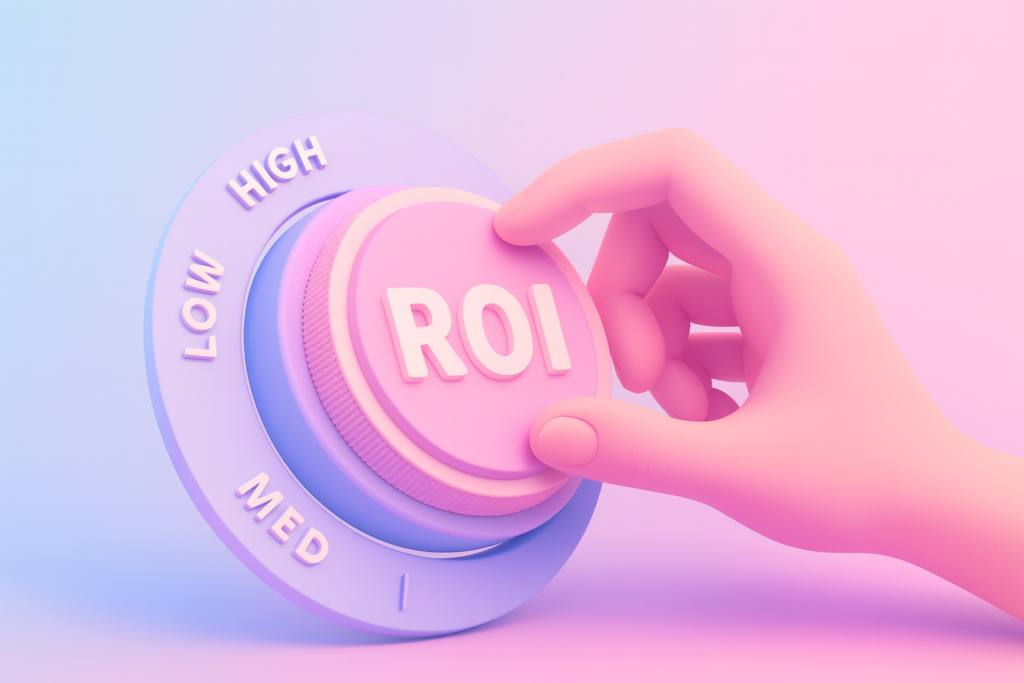
Email marketing delivers one of the strongest returns in digital marketing, averaging about $36 for every dollar spent, while social media helps brands reach larger audiences and drive ongoing engagement.
However, many businesses run these channels separately, which often leads to mixed messaging and lost opportunities.
Social platforms attract attention and spark interest, while email builds trust and moves prospects toward a purchase.
When both channels work together, businesses see higher engagement, stronger conversions, and better long-term retention.
Email vs Social Media: Which Works Best?
Email marketing is still relevant with new demographics for its personalized touch and ability to yield Higher ROI.
Through targeted email outreach, brands can tailor messages, nurture relationships, and drive stronger conversions.
Social media continues to expand in influence, offering unmatched reach and the ability to engage audiences at every stage of discovery.
Emails are sent for a one-on-one communication with the listed specified to clear opt-in options.
Social media offers one-to-many communication options for reaching an ever-evolving audience most effectively.
Wondering which stands out….?
One of the most proven ways to maximize business results is to combine both channels.
This approach helps build trust, increase revenue, and support long-term, sustainable growth.
Combining both strategies to generate quality leads and turn your regular email readers into buying customers.
Since both channels serve their dynamic outcomes, their efforts complement each other to yield a higher return on investment.
Email marketing and social media are self-reinforcing systems; one that drives conversion, consistent visibility, personalized engagement, and measurable business growth.
Here are some of the effective advantages:
- Stronger reach
Social brings in new prospects while email turns them into customers.
- Higher engagement
People who interact with both channels are far more likely to convert.
- Better insights
Combined behavioral data shows what content works and what motivates users to act.
- Consistent brand experience
Unified messaging helps people understand your value quickly.
- Higher conversion rates
Subscribers who also follow you on social often convert at a higher rate because they see your brand more frequently.
- Improved personalization
Social engagement provides additional data you can use to segment and tailor email content.
In B2B marketing, most prospects need several touchpoints before they convert. Social media creates the first interactions, and email provides the detailed information that supports decision-making.
Why Combining Both is Crucial for Maximizing ROI
Email and social media each have their own strengths. Email allows you to connect personally with your audience, while social media helps you stay visible and reach more people.
When both channels work together, your message stays consistent, and you can guide your audience toward action.
Here are some of the key benefits of using email and social media together:
- Expand your audience reach and support long-term growth
- Drive stronger and more meaningful engagement
- Unlock deeper insights using reliable, validated data
- Deliver a consistent brand experience with smarter retargeting
- Boost sales performance and improve conversion rates
- Enable more advanced personalization and targeting
Social media marketing is known for garnering social engagement by creating engaging content and building brand awareness among individuals.
While email marketing focuses on personalization to nurture leads and drive revenue value. This results in generating qualified leads, better conversions, and a higher ROI.
How to Integrate Email Marketing with Social Media
You can combine email marketing with social media by building an email list through social media and promoting social media icons in your email as well.
Grow your social audience following through email marketing.
Both channels can be utilized for cross-channel marketing to build brand presence.
Build Your Email List Through Social Media
Social platforms generate visibility, but email allows direct communication without algorithm changes.
Use your social presence to convert followers into subscribers.
Lead magnets that work well:
• eBooks, templates, guides, and reports
• Gated content supported by targeted ads
• Discount codes or product demos in exchange for emails
Contests and giveaways:
• Choose prizes that appeal to your audience
• Require email entry
• Share results with subscribers to encourage ongoing engagement
Events and webinars:
• Collect emails during registration
• Promote events on social platforms
• Follow up with attendees through automated email sequences
Clear signup opportunities:
• Add signup links to your profile bios
• Create pinned posts that highlight the benefits of subscribing
• Use link stickers or swipe-up options in stories
• Add a visible signup button wherever platforms allow it
Paid social campaigns:
• Use Facebook and LinkedIn lead forms
• Target lookalike audiences based on your best customers
• Direct traffic to pages with simple and clear value propositions
For brands running paid social campaigns, having a clear process for how to manage Facebook through centralized tools makes it easier to connect lead forms, track engagement, and align social activity with email follow-ups.
The focus should always be on explaining what subscribers will receive and why it helps them.
Grow Your Social Following Through Email Marketing
Your email list already includes people who trust your content. Encourage them to connect with you on social platforms to increase reach and engagement.
Add social icons to every email:
• Place them in headers or footers
• Link to your profiles
• Use consistent placement in all templates
Highlight social content:
• Announce giveaways and live sessions in your emails
• Mention exclusive behind-the-scenes content
• Invite readers to vote, comment, or ask questions
Add social sharing buttons:
• Allow subscribers to share your content
• Track which emails generate the most shares
• Use this insight to guide future content
Encourage direct engagement:
• Mention your social profiles in your copy
• Share links to high-performing posts
• Feature user-generated content
Offer options to subscribers:
• Provide the option to follow you on social
• Allow reduced email frequency
Cross-Channel Strategies That Strengthen Integration
Email and social media work best when they support each other instead of competing for attention.
When your messaging, timing, and content feel connected, your audience gets a clearer picture of your brand and what you offer.
The strategies below show simple, practical ways to bring both channels together for better results.
Repurpose content:
• Convert newsletters into carousel posts
• Break long-form email content into short social updates
• Use social reviews inside your emails
• Turn case studies into visual stories for social platforms
Run coordinated campaigns:
• Launch promotions on both channels at the same time
• Maintain consistent visuals and messages
• Promote contests on social and share the results via email
• Build anticipation on social and provide full details in email
Use social proof in your emails:
• Add reviews and testimonials from social platforms
• Include customer photos or comments
• Share engagement highlights to boost trust
Maintain consistent branding:
• Use the same colour palette and fonts
• Keep your tone steady
• Create templates that look and feel connected
Use social data for better email personalization:
• Study what content performs well on social
• Segment email lists based on interests
• Tailor email messages based on social engagement
Upload email lists to ad platforms:
• Use Custom Audiences and Matched Audiences
• Serve coordinated ads to subscribers
• Build lookalike audiences to expand reach
Segment by cross-channel behaviour:
• Group users by engagement level
• Create VIP groups for highly active users
• Tailor messages based on combined data
Advanced Integration: Retargeting and Attribution
Once email and social media are aligned, retargeting and attribution help you take your strategy to the next level.
These tactics allow you to re-engage interested users and clearly see how each channel contributes to conversions and ROI.
Retarget email activity through social ads:
• Upload lists of openers and clickers
• Serve ads that relate to the content they engaged with
• Use a sequence that begins with an email and continues with ads
• Retarget website visitors who arrive from email links
Track cross-channel performance:
• Add UTM tags to all email links
• Monitor how users behave across both platforms
• Identify the sequence of touchpoints that leads to conversions
• Use multi-touch attribution to understand the real impact of each channel
Businesses that practice coordinated retargeting often see much higher returns because users receive timely and consistent messages.
The Role of Data Quality in Integrated Marketing
Every tactic above depends on accurate and complete contact data.
Without reliable data:
• Retargeting becomes difficult
• Personalization becomes limited
• Matching email contacts to social profiles becomes inaccurate
• Budget gets wasted on outdated or incorrect records
High-performing B2B teams rely on verified data that includes firmographic details such as industry, job title, company size, and technology stack.
This allows them to reach the same decision makers across every channel with aligned messaging and relevant campaigns.
When a user sees a case study in their inbox, a related post on LinkedIn, and a testimonial in a Facebook ad, the experience feels coordinated.
That level of consistency is possible only when the underlying contact data is correct.
Measuring ROI Across Channels
Integrating both email marketing and social media for your marketing strategies does draw profitable outcomes.
It’s also important to determine the revenue and outcomes of these cross-channel campaigns.
Here are some methods to track key metrics:
Email metrics to track:
• Open, click, and conversion rates
• Social follows that result from email links
• UTM-based conversions
Social metrics to track:
• Engagement rates
• Email signups from social traffic
• Click-through rates from call-to-action buttons
• Performance of ads targeting email subscribers
Cross-channel metrics that reveal integration results:
• Audience overlap between email and social
• Conversions influenced by both channels
• Cost per acquisition for integrated campaigns compared to single-channel efforts
• Lifetime value of customers active on both platforms
Useful tools:
To accurately analyze the performance of email marketing and social media, integrate key analytics tools across both channels.
This allows you to track campaign performance and measure meaningful data more effectively.
- HubSpot: The HubSpot tool is CRM integrated for a unified view of the customer journey across the channels.
- Mailchimp: This tool thoroughly verifies and analyzes the analytics of email marketing and social media to deliver core insights about customer activity.
- ActiveCampaign: blends both marketing channels with CRM to analyse customer behaviour.
- Sprout Social: it’s an innovative and advanced analytics tool integrated across both channels for efficient marketing efforts.
Brands that measure cross-channel activity typically find that integrated campaigns reduce costs and attract higher-quality leads.
Common Mistakes That Reduce ROI
Combining email marketing and social media is one of the most effective strategies for businesses.
However, when these channels do not work together due to poor coordination or neglect, their impact is significantly reduced.
It impacts the customer trust, damages the reputation of your business, and depletes your market pull.
Let’s quickly notice some of the common mistakes to avoid while combining both the powerful marketing channels:
• Inconsistent messaging across channels
• Poor tracking and missing attribution
• Failing to optimize for mobile users
• Sending content too frequently
• Ignoring privacy regulations
• Posting without listening to feedback
Best Practices for Strong Results
After briefly discussing things to avoid or reflecting on the red flags one must look out for.
It’s just as important to combine both channels ethically and efficiently, using their strengths to create consistent branding and better data-driven optimization.
Let’s quickly look at some of the strategic practices to follow:
• Align both teams on goals and messaging
• Adapt content for each channel while staying consistent
• Use data from both platforms to guide strategy
• Use automation to improve timing and relevance
• Test, measure, and refine
Conclusion
Email and social media are not competing channels. Social attracts attention. Email moves prospects toward a decision.
When both channels work together, the customer experience becomes smoother and conversions become more consistent.
Brand visibility starts on social platforms, but long-lasting relationships grow through email.
Businesses that combine both channels gain stronger reach, higher conversions, and better retention because every interaction feels connected.