In 2026, hiring the right people has become more critical than ever. Employers must balance the need to fill positions quickly with the responsibility to protect their organization’s reputation, financial stability, and legal compliance.
One of the most effective tools businesses use to manage this balance is the employee background check.
This systematic process (sometimes referred to as employee background screening) helps verify a candidate’s identity, confirm employment history, assess potential risks, and ensure that new hires are trustworthy and qualified.
According to a 2024 survey by the Society for Human Resource Management (SHRM), over 93% of employers conduct some form of background check before extending a job offer, and more than 50% have rejected candidates based on background check findings.
These figures illustrate not only how widespread background screening has become but also how essential it is for protecting organizational integrity, reducing fraud, and ensuring workplace safety.
Despite its importance, many business leaders and HR professionals still misunderstand what a background check includes, how it should be conducted, and why it matters for both compliance and organizational culture.
This article explores what an employee background check is, why businesses use them, the key steps involved in the background check process, and how factors such as address verification for remote employees, identity verification, and post-hire employee monitoring fit into a modern workforce risk management strategy.
Understanding Employee Background Checks in Business
An employee background check in business is a structured process used to verify and assess key aspects of a job candidate’s personal and professional history.
It typically includes identity verification, employment history confirmation, criminal record checks, education and credential validation, and, in some cases, financial or credit screening.
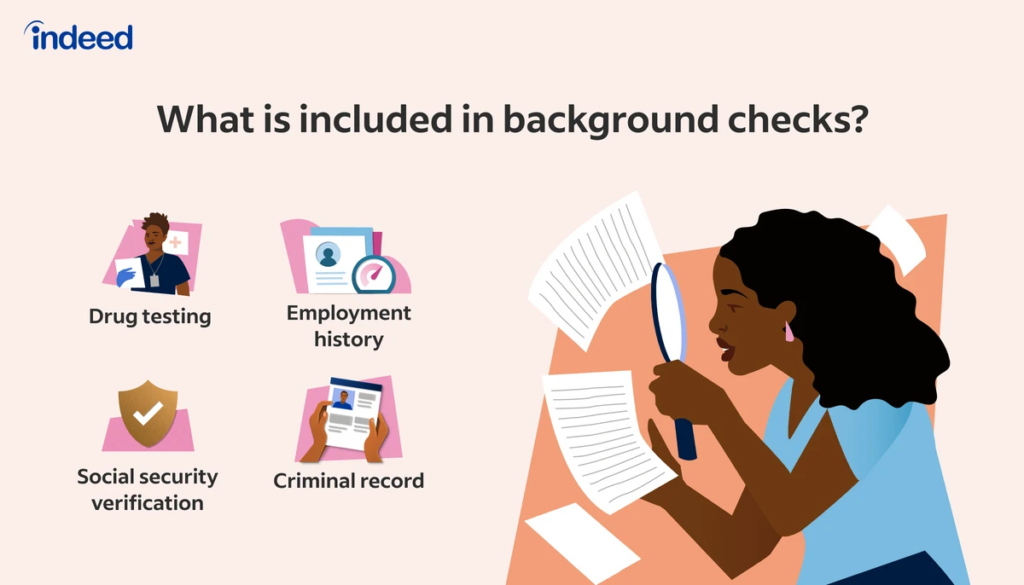
Additionally, with the rise of hybrid and remote work, address verification for remote employees has become an increasingly important component of the screening process.
The purpose of these checks goes beyond confirming that candidates are who they claim to be.
Employers aim to reduce the risk of fraud, protect proprietary information, comply with legal and regulatory requirements, and maintain safe and productive work environments.
A 2023 CareerBuilder examination mentioned that 58% of employers discovered lies on résumés throughout the historical past screening process, with task titles, dates of employment, and education being the most commonly misrepresented gadgets.
In regulated industries such as finance, healthcare, and technology, failing to conduct thorough background checks can have serious consequences.
Not only can a bad hire cost companies an average of $15,000 to $25,000 per incident, but it may also expose organizations to legal liability, data breaches, and reputational damage.
Employee Identity Checks: Ensuring Candidates Are Who They Say They Are
At the core of any background check in business is the employee identity check. Verifying an applicant’s identity helps ensure that the personal information they provide matches official records.
This process may involve reviewing government-issued identification, Social Security or national insurance numbers, and cross-checking multiple databases to confirm authenticity.
In global and remote hiring environments, identity verification increasingly relies on digital tools such as biometric authentication, document scanning, and automated verification systems.
According to AIHR (2024), around 70% of companies use social media or online searches during hiring, reflecting the growing role of digital tools in candidate screening and a significant shift away from traditional paper-based checks.
Confirming identity establishes the foundation upon which all other background checks are built.
Without accurate identity verification, organizations risk onboarding individuals who may be using stolen or synthetic identities (situations that can threaten internal systems, regulatory compliance, and customer trust).
Criminal Background Checks: Balancing Safety and Fairness
Criminal records checks continue to be one of the most sensitive and important components of a historical past take a look at in business.
Employers use criminal tests to find past convictions or offenses that may be applicable to task responsibilities and administrative center protection.
While carrying out those assessments, groups must navigate complicated legal and ethical concerns, consisting of federal, state, and nearby policies governing how and when these records may be utilized in hiring decisions.
According to a 2023 study through the National Association of Professional Background Screeners (NAPBS), more than eighty percent of employers behavior crook historical past checks for at least a few positions, specially the ones regarding get admission to vulnerable populations, financial systems, or business assets.
While crook tests are valuable for mitigating risk, employers ought to avoid discriminatory hiring practices.
Laws which include the U.S. Equal Employment Opportunity Commission (EEOC) recommendations and comparable statutes in other jurisdictions require that employers examine the relevance of crook facts to job responsibilities and observe regular standards to all candidates.
Address Verification for Remote Employees: Meeting Modern Workforce Needs
The upward thrust of faraway and hybrid paintings fashions has delivered complexity to the background take a look at manner.
Verifying an applicant’s bodily address is an increasing number of essential for compliance with tax legal guidelines, local labor policies, and jurisdiction-based work eligibility requirements. This makes coping with verification for far-flung employees a preferred best practice.
Address verification normally includes pass-checking submitted residential facts with software records, 1/3-birthday celebration cope with databases, or geolocation tools. It guarantees that a candidate’s claimed vicinity is proper and facilitates groups’ compliance with payroll jurisdiction rules and remote work regulations.
A 2025 Gartner file located that far-flung work had accelerated the adoption of automated cope with verification solutions by way of 42% throughout international organizations. This surge displays employers’ need to balance flexible work arrangements with the assurance that far-off team contributors are legally and logistically traceable.
Address verification is likewise tied to broader identification verification efforts. When a candidate’s biometric data is shown along with identity documentation, agencies obtain a higher level of trust and decrease the risk of identity fraud or proxy hiring scams.
Education and Credential Verification: Validating Knowledge Claims
In fields inclusive of healthcare, engineering, and finance, having correct credentials isn’t simply perfect, it’s legally mandated.
Regulatory bodies, accreditation boards, and licensing governments regularly require employers to retain evidence of confirmed credentials, making this step a compliance necessity as well as a hiring necessity.
Approximately forty nine% of employers locate discrepancies in training claims in the course of screening, underscoring how regularly résumés may include inaccurate records. When internal groups rely upon employee expertise, validating these credentials is critical to operational achievement and protection.
Employee Monitoring: What Happens After Hiring?
While maximum of the focal point of employee background exam facilities on pre-rent sports, many organizations today extend risk assessment into the put-up-lease phase via employee tracking.
This includes sports like monitoring device get admission to patterns, comparing productivity indicators, and detecting unusual conduct that would indicate insider threats.
Employee tracking must continually be governed through clear rules, informed consent, and compliance with local privacy laws.
According to a 2023 document by Forrester Research, sixty six% of groups use some form of employee monitoring software program, particularly in roles with access to sensitive records or high-level property.
Integrating tracking into the broader staff hazard method helps agencies perceive capability problems early, including compliance lapses, insider fraud tries, or overall performance deviations that could signal deeper troubles. However, organizations need to balance transparency and respect for employee privacy while implementing those measures.
The Employee Background Check Process in Business: Step by Step
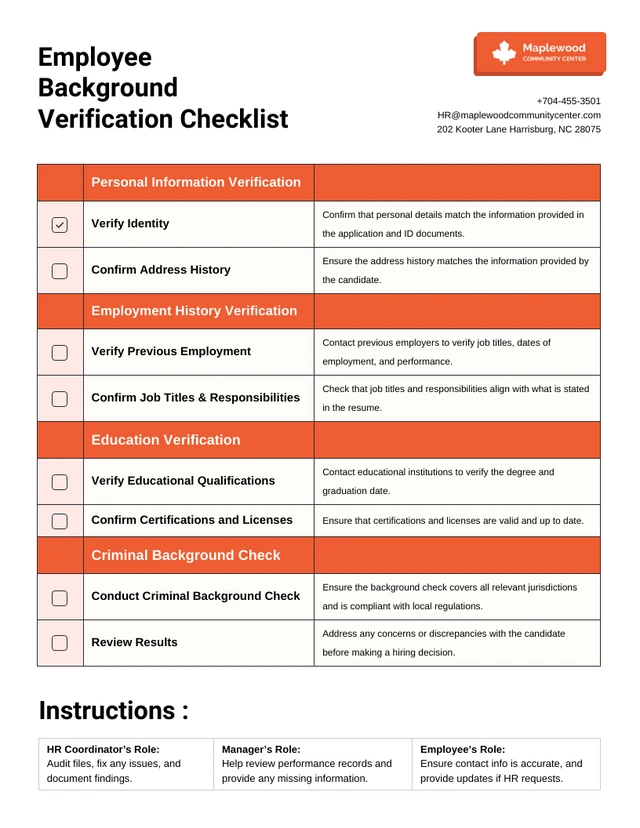
A robust employee heritage test procedure in business generally progresses via numerous stages, each designed to collect distinct sorts of facts while respecting legal and ethical limitations.
Step 1: Candidate Consent and Disclosure. Before any checks begin, candidates must be informed about what styles of screening will occur and provide written consent. This protects both the applicant’s privacy rights and the organisation’s felony compliance.
Step 2: Identity Verification. The process begins by confirming the candidate’s identity through the use of legit documents, virtual verification gear, or government databases.
Step 3: Address Verification. Especially for faraway roles, confirming house enables decision-making eligibility for work in precise jurisdictions and guarantees correct payroll and tax compliance.
Step 4: Employment and Education Checks. The company verifies past painting history and academic credentials through references, HR contacts, and third-party validation services.
Step 5: Criminal, Financial, and Compliance Screening. This phase looks for criminal information, financial red flags (which include bankruptcies or fraud records where relevant), and fits against sanctions databases or industry watchlists.
Step 6: Risk Scoring and Decision Making. Organizations frequently use structured threat scoring methods to evaluate the aggregated facts and determine whether to move ahead with an offer.
In incredibly regulated sectors, this method may additionally include compliance-specific tests along with anti-money laundering (AML) database screening, sanctions listing assessment, and industry-specific credential requirements.
Legal Considerations and Best Practices
Conducting historical past tests responsibly calls for close interest in prison frameworks that vary across the United States and the world. Employers need to understand legal guidelines associated with fact privacy, discrimination, criminal record use, and consent.
For instance, within the United States, the Fair Credit Reporting Act (FCRA) governs how background checks concerning 0.33-party reporting organizations may be carried out.
Similar legal guidelines exist inside the European Union under GDPR and in other areas with varying obligations concerning data storage, candidate rights, and permissible screening practices.
To stay compliant and powerful, organizations have to:
- Maintain obvious guidelines that explain screening standards.
- Use steady practices across applicants to avoid discriminatory influences.
- Limit the use of sensitive information to what is necessary for task performance.
- Secure all heritage test statistics with sturdy get right of entry to controls and retention policies.
Clear conversation with applicants now not only ensures prison compliance but also builds consideration and enables the organisation as an honest and professional corporation.
Best Practices for Employee Background Screening in Business
A nicely-finished worker history screening method is constructed on consistency, compliance, and intensity. Businesses that implement based screening packages notably decrease hiring risk and improve place of business’s reputation.
According to a 2023 report by the Professional Background Screening Association (PBSA), businesses that conduct comprehensive worker screening see a 36% reduction in workplace misconduct instances as compared to those that depend upon minimal exams.
Similarly, a 2024 have a look at with the aid of HireRight found that 1 in 5 applicants contains discrepancies in identification, employment records, or education claims, reinforcing the need for verification instead of assumption.
Another McKinsey body of workers threat analysis revealed that agencies’ use of multi-layered screening frameworks results in a 30% lower insider fraud effect, in particular in finance-related and remote hiring models.
To meet current hiring challenges, companies now deal with the worker history check system in business as a layered device rather than a single challenge. One of the fastest-developing verification necessities is address verification for remote employees.
A 2025 Gartner personnel trend record showed that 42% of global agencies now affirm worker addresses throughout onboarding, especially for remote teams, because of elevated risks of location spoofing, tax jurisdiction violations, and proxy hiring scams.
Address verification works great when paired with a sturdy employee identification test, which confirms that identity documents, virtual records, and submitted residence information belong to the same person.
Forrester’s 2024 HR safety survey additionally cited that 73% of establishments have adopted AI-based identification verification gear for candidate authentication, displaying a significant shift in the direction of automatic identity screening.
Future of Background Check in Business Hiring
As businesses navigate rapid technological change, regulatory complexity, and the ongoing shift toward hybrid and remote work, the future of employee background check in business hiring is being reshaped by automation, data integration, and smarter risk intelligence.
One key trend is the growing reliance on artificial intelligence and machine learning to streamline identity verification, fraud detection, and credential validation.
According to a 2025 Deloitte Digital Identity Report, over 79% of global enterprises plan to integrate AI-based identity verification tools into their hiring process within the next two years, signaling a major move away from manual verification methods that are slow, error-prone, and increasingly untenable at scale.
This automation shift is especially relevant for employee identity checks, where AI systems can compare biometric identifiers, official documents, and digital footprints in real time, reducing identity fraud risk and accelerating onboarding.
Similarly, address verification for remote employees is likely to become standardized rather than optional.
Research from Gartner’s 2025 Workforce Trends survey found that 42% of large organizations already perform automated address verification during pre-hiring, and that figure is expected to rise as remote work stabilizes as a permanent model for many industries.
Verifying that candidates are genuinely located where they claim not only supports tax and labor compliance, but it also helps businesses mitigate risks such as location spoofing, proxy hiring, and jurisdictional misalignment.
Another evolution in the background screening landscape is the increasing integration of continuous risk monitoring throughout the employee lifecycle, rather than as a one-time event at the point of hire.
Modern risk frameworks anticipate that threats such as insider fraud, credential compromise, and policy non-compliance can emerge after onboarding, particularly in roles with access to sensitive systems or customer data.
A 2024 Forrester insider risk report found that 66% of organizations now employ some form of continuous monitoring or anomaly tracking for employees in high-risk functions.
This means that employee screening and monitoring technologies are converging, making background checks part of an ongoing risk surveillance ecosystem rather than a discrete pre-employment task.
In addition to technology shifts, legislative and regulatory developments are shaping how background checks are conducted.
As privacy regulations evolve, such as revisions to GDPR-style frameworks in the EU and data protection laws in Asia and Latin America, businesses hiring across borders will need to navigate increasingly complex compliance landscapes.
Employers will be expected to demonstrate not just that checks were performed, but also that candidates’ data was processed lawfully, stored securely, and retained only as long as required for business purposes.
Organizations that integrate these compliance controls into their screening workflow will gain a competitive advantage, both in attracting top talent and minimizing legal risk.
Conclusion
An employee background check is no longer just a hiring formality, but a business protection system.
Modern background checks in business strategies now incorporate employee screening, employee identity checks, address verification, address verification for remote employees, employee background screening, and policy-based employee monitoring into a single, automated risk assessment pipeline.
For regulated industries like fintech and AML-driven companies, background checks are essential for hiring trust, audit readiness, fraud prevention, and long-term business safety.
Remote hiring has further amplified the importance of address verification for remote employees, while AI has upgraded identity authentication into a scalable, privacy-safe workforce screening model.
A structured employee screening policy ensures that companies hire confidently, operate compliantly, protect internal teams, and safeguard customer trust, making background checks a fundamental business necessity in the digital age.