For businesses selling adventure gear, from paddleboards to snorkeling sets, seasonality isn’t just a minor fluctuation. It’s a major rhythm that shapes demand, stock levels, marketing campaigns, and ultimately, revenue.
Understanding and planning around seasonal trends is critical for optimizing sales, especially during high-interest times like summer or holiday periods when water-based adventures take center stage.
Seasonal Demand: Summer and Water Activities Drive Spikes
Summer consistently drives the highest demand for water sports and aquatic adventure gear.
As temperatures rise and vacations begin, customers look for equipment like inflatable paddleboards, kayaks, snorkeling gear, waterproof accessories, and beach-friendly apparel.
If you’re looking for customizable or premium-quality water adventure gear to match these seasonal needs, brands like furthercustoms can be great benchmarks for what today’s consumers expect.
This uptick isn’t only tied to recreation but also reflects broader consumer behavior. Longer daylight hours, school holidays, and increased travel budgets converge during the summer, creating heightened enthusiasm for outdoor exploration.
Even first-time buyers become more open to making bigger purchases like paddleboards, diving masks, and waterproof tech accessories simply because summer provides the perfect window for using them.
Families, college students, young travelers, and adventure seekers all drive distinct but overlapping buying waves during this season. Retailers who align their product positioning, messaging, and promotions with these audiences can significantly improve conversion rates.
Why Summer Is a Buyer’s Peak Season
1. Travel Season = Gear-Purchasing Season
Summer is when most people take extended trips: beaches, lakesides, water parks, island vacations, and cruises. Travel planning naturally triggers adventure-gear shopping.
Implementing a hotel self check in system can streamline arrivals, reduce wait times, and enhance overall guest satisfaction.
2. Weather Psychology
Warm weather boosts mood and encourages outdoor activity. People are more willing to try new sports or upgrade old gear when the environment feels motivating.
3. Social Media Influence
Summer is the most visually driven season of the year. Content like sunset paddleboarding, snorkeling selfies, or beach-day family photos inspires viewers to buy similar equipment. Visual FOMO (fear of missing out) drives sales more than traditional advertising.
4. Group Activities Drive Higher Sales
Water activities are often shared experiences: family paddleboarding, couples kayaking, or groups snorkeling. This creates multi-item purchases rather than one-off buys.
Marketing & Inventory Strategy: Aligning with the Seasonal Surge
To convert seasonal demand into strong, predictable sales, brands need a well-timed and intentional approach.
1. Get Ahead of the Curve
The most successful adventure-gear brands don’t wait until summer begins, they launch campaigns in late spring. This ensures:
- Search engines have time to index seasonal content
- Social media awareness builds early
- Customers planning trips can shop before they travel
- Retailers avoid the last-minute inventory scramble
2. Build Seasonal Buyer Personas
Understanding your buyer’s mindset during the season helps create more resonant messaging. Examples:
- Families: looking for safe, easy-to-use gear
- Travelers: seeking compact, lightweight items
- Fitness enthusiasts: wanting performance-level water activity equipment
- Beginners: needing simple “starter kits”
Tailoring ad copy or landing pages around each persona enhances engagement and sales.
3. Use Seasonal Keywords
SEO becomes a strategic advantage when you optimize for searches like:
- “Best gear for summer water sports”
- “Travel-friendly paddleboards”
- “Beach accessories for holiday trips”
- “Snorkeling equipment for beginners”
Publishing blogs, guides, and product recommendations using these keywords builds organic traffic right at the peak of demand.
Smart Marketing Strategies to Maximize Summer Sales
1. Showcase Real Experiences
Lifestyle marketing works better than product-centric ads. Use:
- User-generated content
- Customer story features
- Video demos
- Travel-themed product reels
These build emotional connection and inspire purchase decisions.
2. Bundle Your Products
Bundling helps increase cart value and helps beginners understand what they need. Examples:
- Paddleboard + waterproof bag
- Snorkeling kit + fins + mask
- Inflatable kayak + basic safety gear
Customers love convenience, especially when planning travel.
3. Offer Limited-Edition Summer Collections
Seasonal designs, colors, or exclusive summer bundles draw in impulse buyers and collectors.
4. Partner with Travel Influencers
Collaborating with content creators during the summer creates massive exposure. A one-minute vacation reel sharing your gear can outperform weeks of paid ads.
Beyond Summer: Building Year-Round Engagement
Even though summer brings the most significant sales spike, long-term success requires off-season engagement.
1. Introduce Cold-Season Alternatives
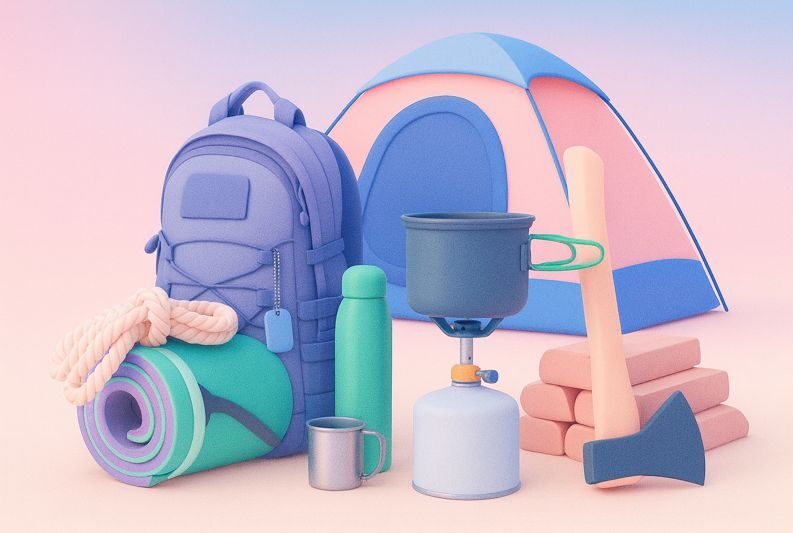
Camping gear, hiking accessories, and travel essentials help maintain revenue when water sports interest falls.
2. Promote Indoor Adventure Alternatives
Some gear (like waterproof tech storage, dry bags, or fitness-related accessories) remains relevant regardless of season.
3. Continue Publishing Useful Content
Off-season is the best time for:
- Buying guides
- Maintenance tips
- Cleaning and storage tutorials
- Next-summer previews
This keeps your audience connected and curious.
4. Build a Membership or Loyalty Program
Reward returning customers with:
- Off-season discounts
- Early access to summer launches
- Member-only bundles
These programs improve customer lifetime value throughout the year.
What It Means for Adventure Gear Brands
Seasonal marketing is not simply about selling more during summer, it’s about creating systems that amplify demand during peaks and sustain engagement during slower periods.
Brands that succeed:
- Plan messaging before demand spikes
- Use data-driven inventory forecasts
- Create emotional, visual marketing
- Build communities, not just customers
- Offer diversified but aligned product lines
Summer is the perfect opportunity to boost revenue, but the strategy around it determines whether growth lasts or fades after the season ends.
Preparing for Sudden Shifts in Seasonal Demand
One of the growing challenges for adventure-gear brands is unpredictability. Weather patterns, travel restrictions, and shifting tourism trends can suddenly change the demand curve.
A cooler-than-usual summer or unexpected travel advisories can slow down sales, whereas heatwaves or viral travel trends can trigger sudden spikes.
Brands that build flexible marketing plans (such as adjustable ad budgets, agile inventory reordering, and dynamic promotions) are better equipped to respond quickly when seasonal patterns shift.
Instead of relying solely on historic data, integrating real-time insights can help companies stay ahead of unexpected surges or dips.
The Rise of Eco-Conscious Seasonal Buyers
Another major trend influencing seasonal demand is the rise of eco-conscious consumers who prioritize sustainable and durable adventure gear.
Today’s buyers often look for products made from recycled materials, ethically sourced components, and long-lasting designs that reduce waste.
This shift creates an opportunity for brands to differentiate themselves during peak seasons by offering eco-friendly alternatives or launching limited-edition “green summer collections.”
Highlighting sustainability not only appeals to environmentally aware shoppers but also adds long-term brand value, especially during seasons when customers are more likely to invest in gear for travel and recreation.
Conclusion
Seasonality, especially summer and holiday periods, plays a powerful role in driving sales for water-related adventure gear.
But winning brands are those that anticipate demand, plan proactively, and execute a strategic mix of marketing, inventory management, and customer engagement.
By understanding the motivations behind summer buyers, delivering seasonal content, offering curated bundles, partnering with travel creators, and staying connected throughout the year, adventure-gear businesses can turn seasonal peaks into long-term, sustainable growth.