
Studies indicate that disengaged employees cost U.S. companies up to $550 billion each year in lost productivity.
A major reason behind this loss is the failure to prioritize employee experience. When EX is overlooked, organizations often face higher turnover, difficulty attracting and retaining top talent, growing skills gaps, and slower innovation.
Employee experience has become a key driver of organizational success. A poor EX leads to low morale, frequent exits, and reduced productivity, directly affecting business performance and long-term stability.
To address these challenges, here are 10 practical tips you can factor into your 2026 planning to improve the employee experience across your organization.
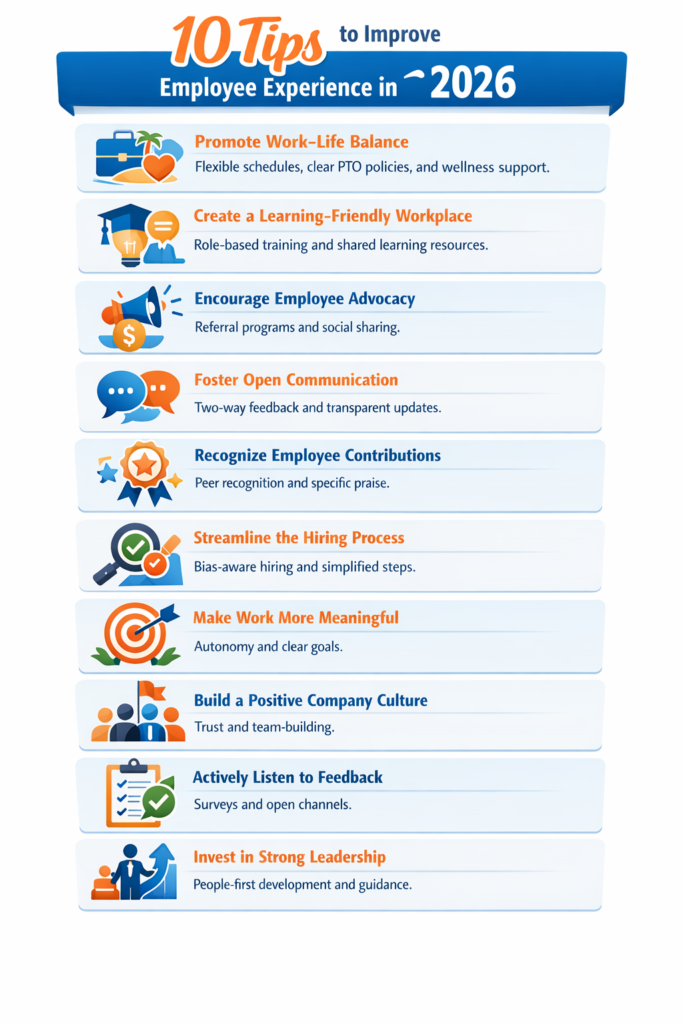
10 ways to improve your employee experience
Let’s walk through the key areas you should focus on when shaping a stronger, more intentional employee experience, one that supports your people, aligns with business goals, and adapts as your organization grows.
1. Promote Work–Life Balance
Maintaining a healthy work–life balance is essential for employee well-being, productivity, and job satisfaction. Organizations that support balance are more likely to see sustained engagement and stronger retention.
- Flexible work arrangements: Offer options such as remote work, flexible hours, or compressed workweeks. Employee scheduling tools like Homebase help teams manage shifts, availability, and time-off requests more transparently, reducing last-minute changes and stress for employees. These choices acknowledge employees’ varied responsibilities, help them better manage work and personal commitments, and demonstrate trust and respect for their time.
- Paid time off and vacation policies: Encourage employees to use their leave to rest and recharge. Clearly communicate PTO policies and foster a culture in which taking time off is supported and stigma-free. Well-rested employees are more focused, motivated, and resilient at work.
- Employee assistance programs: Provide access to support resources, including counselling, financial planning, legal guidance, and wellness programs. These initiatives reflect a commitment to overall employee well-being and help individuals manage stress and personal challenges more effectively.
- Health and comfort in the office: Employers overlook physical comfort during the workday all the time. Workers who spend long hours at a desk can experience back and neck strain if their workspace isn’t properly supported. Providing ergonomic upgrades such as lumbar cushions or an ergonomic support pillow can help improve posture and reduce fatigue, making it easier for employees to stay focused and comfortable throughout the day.
2. Develop a Conducive Learning Environment at Work
Most employees want to grow, learn new skills, and move toward better opportunities. In fact, 39% employees say that role-specific skills training is very beneficial to their development. This is why a strong learning policy can significantly improve the employee experience.
To build a learning-first workplace, consider the following approaches:
- Identify growth areas and provide guidance: Recognize where employees can improve, offer constructive feedback, and provide practical tips to help them develop.
- Align learning with career goals: Talk to employees about their aspirations and provide relevant training or online courses that support those goals. This keeps employees motivated and engaged.
- Create shared learning resources: Build a centralized library of learning materials to help new hires and existing employees upskill more quickly. Using a learning content management system helps centralize training content, track progress, and ensure employees can access role-specific learning resources whenever they need them.
Keep in mind that employees already have preferred learning styles. By respecting these preferences and offering flexible learning options, you can naturally strengthen the employee experience.
3. Build Employee Advocacy
The ideal outcome is a workplace where employees are so satisfied with their experience that they naturally recommend your company to friends and family. When employee experience is strong, referrals become a reliable hiring channel, reducing the need for heavy recruitment efforts.
- Referral bonuses: Offering financial incentives is one of the most effective ways to encourage referrals. Typical bonuses range from $500 to $1,000 and are often far more cost-effective than traditional recruitment methods.
- Social media advocacy programs: Employees don’t always think to share company wins on their own, which is why a structured advocacy program matters. Provide ready-to-use content, such as short success stories or event highlights, that employees can easily share. Tie participation to small incentives, gift cards, or recognition for major milestones like funding rounds or acquisitions.
- Lead by example: Employees often mirror leadership behavior. When executives and managers actively share company news and speak positively about the organization, they set a clear standard and encourage employees to do the same.
Employee advocacy works best when employees are supported with structure, not pressure. Employee advocacy tools like Supergrow help organizations turn internal experts into consistent brand advocates on LinkedIn without adding extra workload.
This approach allows companies to amplify authentic employee voices, expand organic reach, and strengthen employer branding while keeping messaging aligned and participation sustainable.
4. Foster Open Communication
Clear, open communication is the foundation of a strong employee experience. By encouraging transparent, two-way communication, organizations can build trust, improve collaboration, and create a shared sense of purpose. When employees feel heard and respected, they are more engaged, motivated, and committed to the company’s success.
- Encourage feedback and suggestions: Implement systems that enable employees to share honest feedback without fear, such as anonymous surveys, town halls, or dedicated feedback channels. Actively listening and responding to input shows a genuine commitment to improvement and employee involvement.
- Support two-way communication: Create regular opportunities for dialogue through check-ins, team meetings, and one-on-one discussions. Communication should flow both ways, giving employees space to share ideas and concerns while staying informed through guidance and updates from leadership.
- Address concerns promptly: When issues are raised, respond quickly and clearly. Establish straightforward processes for handling concerns and keep employees informed throughout resolution to maintain trust and demonstrate that their well-being matters.
5. Recognize Their Contributions at Work
Employee recognition plays a major role in driving engagement and improving employee experience. Research shows that 45% of employees recognized monthly are very engaged at work. Simply put, when employees feel appreciated, they’re more motivated and connected to their work.
You can start small by tracking employee progress and offering public praise for good work. Over time, consider setting up a structured rewards and recognition program to make appreciation more consistent and meaningful. Here are a few ways to approach it:
- Host peer-to-peer recognition sessions: Monthly sessions where employees acknowledge each other’s efforts can strengthen trust, boost morale, and improve team spirit.
- Personalize recognition: Avoid a one-size-fits-all approach. Recognize employees in ways that align with their individual preferences, whether that’s public praise, private acknowledgment, or tangible rewards.
- Be specific with praise: Highlight particular contributions or small wins so employees clearly understand what they did well and why it matters.
While recognition may seem simple, it has a powerful impact on motivation, engagement, and overall employee experience.
6. Streamline Your Hiring Process
A strong employee experience starts long before day one. Implementing a structured employee experience program naturally prompts you to review and improve your hiring process, often one of the most important stages in shaping how candidates perceive your organization.
- Blind hiring: By anonymizing resumes, you help promote inclusivity and keep the focus on what truly matters: skills and experience. This approach also reassures candidates that bias and conflicts of interest are less likely to influence decisions.
- Keep the process simple and focused: Lengthy hiring processes can frustrate candidates and strain internal teams. In most cases, a phone screening, a conversation with the direct manager, a culture-fit discussion with team members, and a skills assessment (if required) are enough to evaluate a candidate properly.
- Use data to guide decisions: Track a few key hiring metrics to understand what’s working and what isn’t. Common indicators include time from first contact to hire, time between interview stages, and conversion rates. These insights help you assess the overall health of your hiring process.
- Prioritize candidate experience: Ask candidates for feedback on their experience, regardless of the final decision. Sending a short candidate experience survey at the end of the process can reveal gaps and highlight areas for improvement.
A clear, fair, and efficient hiring process sets the tone for a positive employee experience from the very beginning.
7. Make Work More Meaningful
It’s common for employees to feel disconnected from the impact of their work. Helping them find purpose is a key leadership responsibility.
One way to create meaning is by encouraging autonomy. When employees are trusted to make decisions about how they work, they gain a stronger sense of ownership. Reducing micromanagement and unrealistic deadlines allows people to work with focus and intention, which often leads to greater pride in their contributions.
Another approach is to organize teams into smaller, more independent groups. Smaller teams make it easier to set clear, achievable goals and encourage collaboration and peer support. This structure helps employees feel more connected to their work and to one another, while building a stronger sense of shared purpose.
8. Focus on Building a Positive Company Culture
Organizations that overlook workplace culture miss a major opportunity to improve employee experience and retention. A strong company culture directly influences how employees feel about their work and their decision to stay. Research shows that 73% of employees have left their jobs due to poor company culture.
One of the fastest ways to improve culture is to identify and remove negative influences. HR teams can start by running employee surveys to understand how people perceive their experience and the overall work environment. These insights help pinpoint specific issues that need attention.
For example, if feedback reveals a communication gap between managers and employees, targeted communication training can help close it. Team-building activities, open group discussions, and collaborative initiatives can also strengthen relationships and trust.
Addressing cultural challenges in a structured, consistent way leads to a healthier workplace and a stronger overall employee experience.
9. Be Open to Feedback
While the tips above can significantly improve employee experience, nothing is more effective than truly listening to your employees and acting on their input. Doing so clearly shows that you value their perspectives and take their concerns seriously.
A simple way to start is by running anonymous, company-wide surveys. These give employees a safe space to share honest feedback without fear of repercussions. You can also create open communication channels that allow employees to raise concerns or suggestions at any time.
Additionally, gathering insights from new hires and departing employees can provide valuable perspectives and help you further refine your employee experience strategy.
10. Strengthen Leadership
Poorly trained managers can significantly damage morale and engagement. Often, this happens when individuals are promoted into leadership roles without proper training in trust-building, communication, feedback, and people-management skills, which directly affect employees’ day-to-day work.
Strengthening leadership is even more critical in today’s environment. Leaders must be adaptable, resilient, and comfortable navigating uncertainty as workplaces continue to shift.
By investing in leadership development, organizations prepare both leaders and employees for future challenges and opportunities at the individual, team, and organizational levels. This can include self-assessment and development, stronger communication and relationships, empowering others, and leading with a clear vision and direction.
Leadership growth is not a one-time effort; it’s an ongoing journey. By seeking feedback, committing to continuous learning, and developing skills such as empathy and active listening, leaders can inspire their teams and create a more supportive, motivated, and successful workplace.
6 examples of great employee experience
Everyone needs inspiration now and then. To help with that, we’ve highlighted six companies known for delivering strong employee experiences with proven results. Each example offers practical ideas you can adapt within your own organization.
1. Airbnb
Currently ranked 6th on the Employee Experience Index, Airbnb has been an early leader in prioritizing employee experience. The company began its EX journey in 2013 when Mark Levy joined with the goal of creating an Employee Experience group, mirroring the already established Customer Experience team.
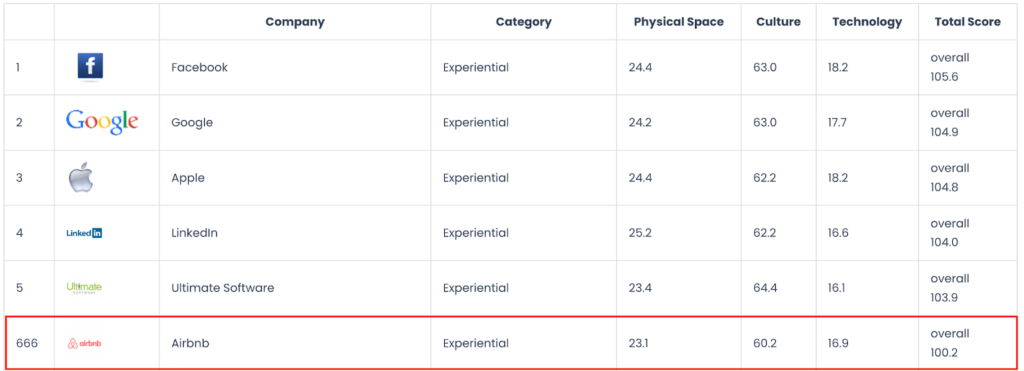
Airbnb’s core belief of “feeling at home anywhere” extends directly to its employees. Staff members are treated as both hosts and customers and receive the same care and attention as guests. This community-first approach helped Airbnb secure the top spot on Glassdoor’s Best Places to Work list in 2016.
2. Adobe
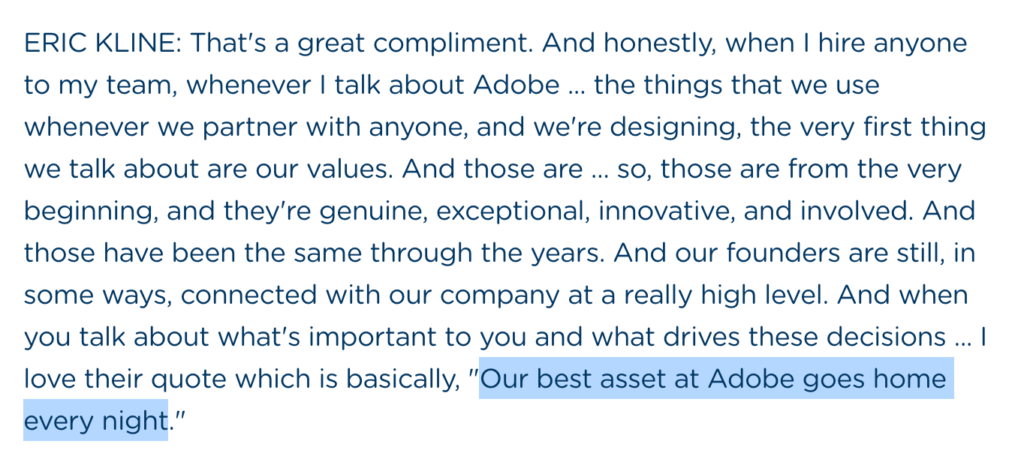
Adobe views employee experience as a balance of data and emotion, where insights guide decisions and meaningful content creates an emotional connection. People have always been central to Adobe’s philosophy, rooted in the belief that its most valuable assets go home at the end of the day.
A key driver of Adobe’s EX strategy is its cloud-based intranet, which keeps employees informed, connected, and aligned. Combined with strong workplace experiences and a focus on building relationships within offices, this approach has consistently placed Adobe among the top performers in employee experience rankings.
3. Accenture
Accenture sees employee experience as a major source of competitive advantage. Their approach is built around three core principles:
- Identifying value opportunities by aligning business outcomes with workforce priorities
- Defining moments that matter through a deep understanding of employee needs and expectations
- Co-creating experiences using customer-centric design methods applied to the workplace
This structured strategy has helped Accenture maintain a highly productive workforce and secure 8th place on the Employee Experience Index.
4. Cisco
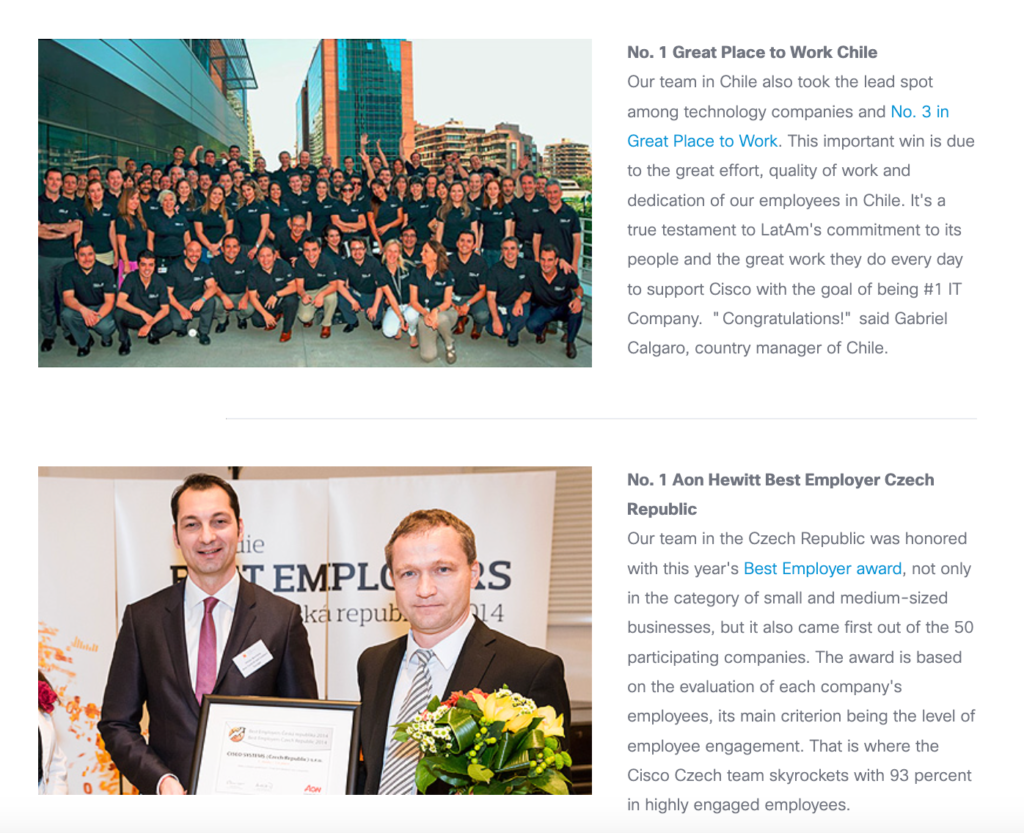
Cisco firmly believes its people are its greatest strength. In late 2019, the company introduced a dedicated team focused on viewing employee experience holistically and identifying ways to improve collaboration and connection across the organization.
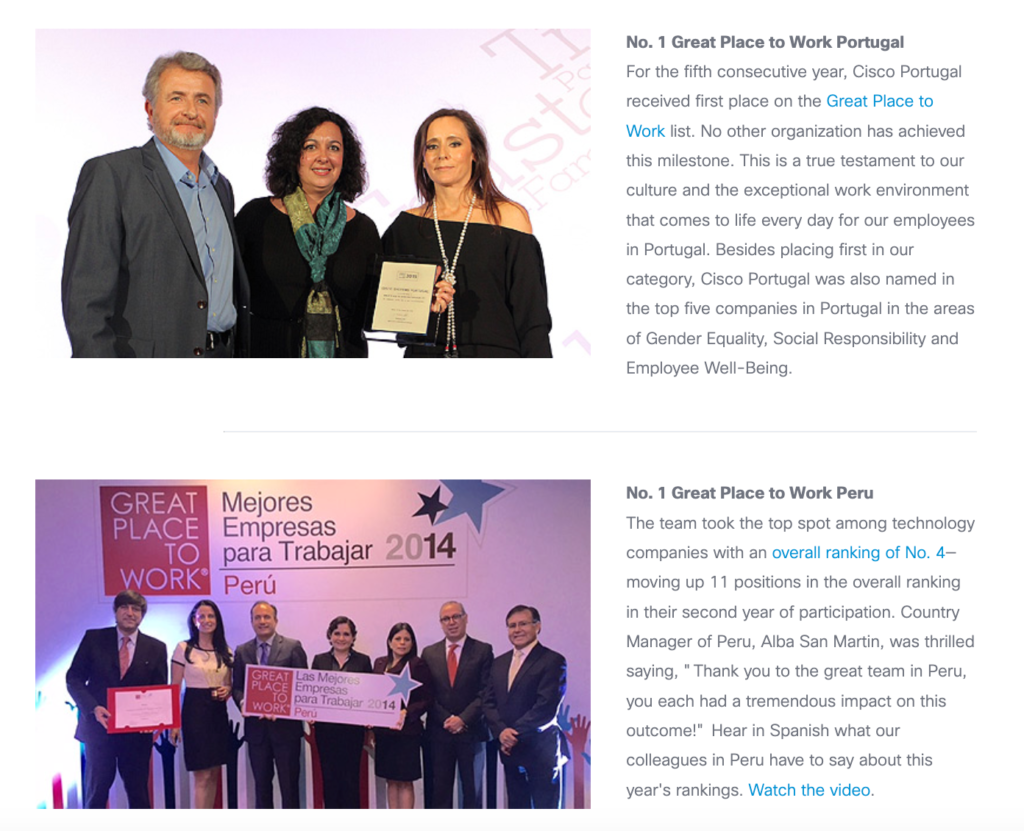
Cisco treats employee experience as an ongoing journey that adapts alongside people, technology, and work models. This long-term mindset has earned the company numerous recognitions, including being named No. 1 Great Place to Work in several countries.
5. Mozilla
Managing company culture during uncertainty is challenging, and Mozilla leaned heavily into employee experience during the pandemic. The organization moved internal events online and introduced new ways to keep employees engaged while working remotely.
One key shift was adopting virtual onboarding, which prompted Mozilla to rethink its need for physical office space. This adjustment not only supported employee engagement but also reduced real estate costs during a period of change.
6. Microsoft
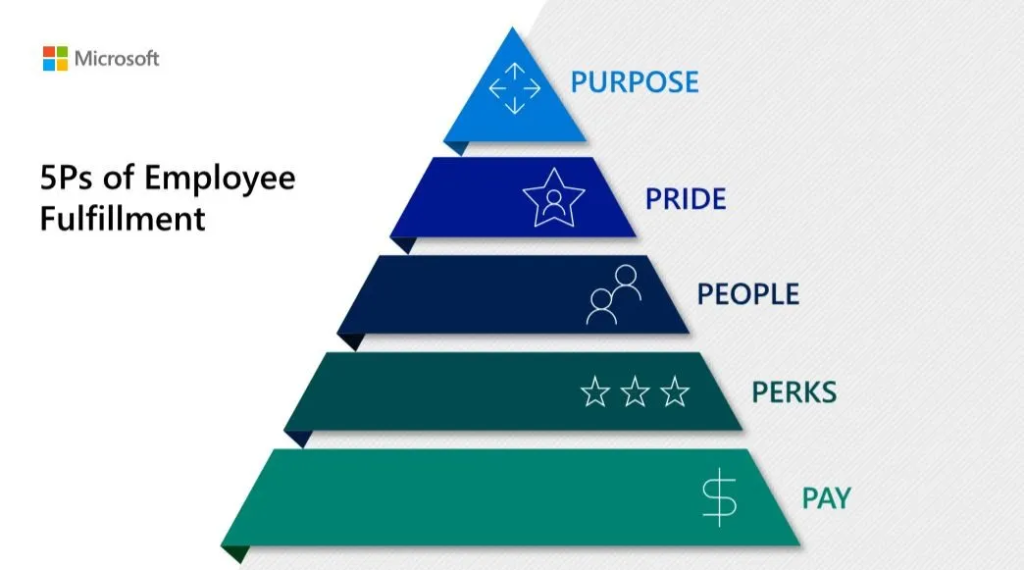
Microsoft’s employee experience strategy is built around understanding employee behavior, challenges, and motivation, especially as it competes with companies like Google and Apple. This led to a company-wide shift toward purpose, learning, and development.
Microsoft defined the 5 Ps of employee fulfillment, which now serve as a foundation for its EX approach. The company’s commitment is also reflected in Microsoft Viva, an employee experience platform designed to support work in the digital era.
Closing Thoughts
Building a positive employee experience is an ongoing journey, not a one-time effort. As employee expectations continue to evolve, HR leaders must stay closely connected to what their people need and value.
By actively listening to employees and taking thoughtful, strategic steps to support them, organizations can strengthen employee experience, increase satisfaction, and improve retention. Along the way, the right technology can play a key role in helping teams stay responsive, aligned, and well supported.
Frequently Asked Questions (FAQs)
What does employee experience mean in 2026?
Employee experience in 2026 refers to the complete journey an employee has with an organization, from hiring and onboarding to daily work, growth, performance, and exit, shaped by AI tools, flexible work models, and personalized support systems.
Why is employee experience important for businesses today?
A strong employee experience improves retention, engagement, and productivity.
What are the biggest drivers of employee experience in 2026?
Key drivers include real-time feedback tools, AI-powered HR automation, predictive workforce analytics, hybrid work options, streamlined onboarding, clear performance management, access to continuous learning, and support for mental and financial well-being.
What is the impact of poor employee experience?
Poor employee experience leads to higher attrition, lower morale, reduced output, and higher hiring costs. Research indicates that 61% of employees who leave cite poor communication as the primary reason.