The campus bulletin board is a relic. It is a chaotic collage of overlapping paper, outdated dates, and desperate tear-off tabs.
For decades, this was the primary way to announce a guest speaker, a club fundraiser, or a protest. But for the modern student, this physical “feed” is invisible.
Gen Z navigates the world with their heads down, eyes locked on screens. They ignore the physical noise of the hallway to focus on the curated noise of their social feeds.
If your event promotion relies solely on a staple gun and a color printer, you are shouting into the void.
To actually fill seats in 2025, you need to reach students directly where they’re already looking.
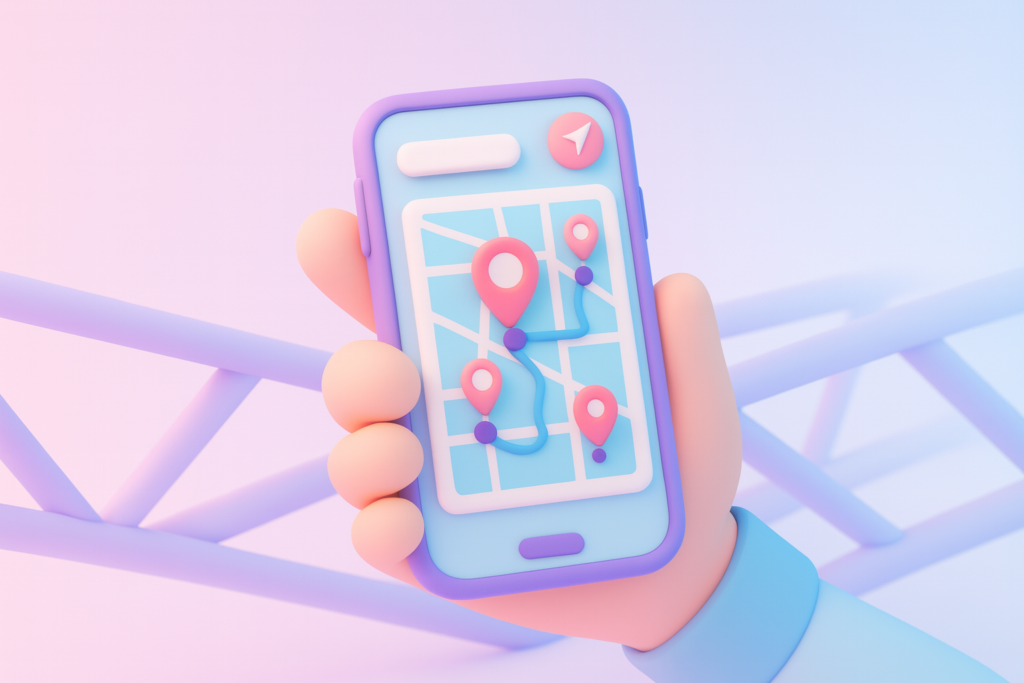
That’s why geotagged social ads for campus events are essential, they allow you to meet students exactly where they are standing, inside the geofenced radius of your campus.
The Case for Digital Geofencing
The Death of the Physical Flyer
Physical flyers are passive tools in an active world. They rely on serendipity, a student walking by at the exact right moment and deciding to look up.
They generate zero data, meaning you have no idea if someone looked at your poster or used it as a coaster. Worse, they struggle to capture the attention of busy students.
Students are overwhelmed with lectures, labs, and part-time jobs, constantly looking for digital shortcuts to manage their lives.
They are scrolling to find a quick dinner spot or looking to get affordable college essay at essayservice.com to handle their workload.
In this high-speed environment, a static piece of paper simply cannot compete with a notification. Digital advertising offers the opposite dynamic.
It is active, targeted, and measurable. Specifically, geotagged social ads for campus events let you draw a precise digital perimeter around your campus, ensuring your budget isn’t wasted on alumni living three states away.
What Is Geotargeting?
Geotargeting uses location data to deliver content to a specific audience. This data comes from GPS signals, IP addresses, and Wi-Fi connections.
For campus marketers, this is a superpower because it allows for granular precision. You can target the Student Union during lunch hours.
You can target the football stadium during a homecoming game. You can even target the freshman dorms specifically for orientation events.
It is the digital equivalent of handing a flyer directly to a student, but without the awkward rejection.
Platform-Specific Tactics
Snapchat Geofilters
Snapchat remains a dominant force for hyper-local student interaction. While other platforms are for broadcasting to the world, Snapchat is for communicating with close friends.
The “Geofilter” is the crown jewel of campus event marketing. Think of it as a digital sticker or frame that unlocks only when a student is standing in a specific spot.
When a student uses your filter, they become your billboard. They send that branded image to their private network of friends. This is high-trust, peer-to-peer recommendation at scale.
Creating one is surprisingly affordable. You can design a simple overlay in tools like Canva and upload it to Snapchat’s “On-Demand Geofilter” tool.
For a standard 4-hour event covering a few campus blocks, the cost can be as low as $20. It is cheaper than printing 50 high-quality color posters.
Instagram and Facebook Radius
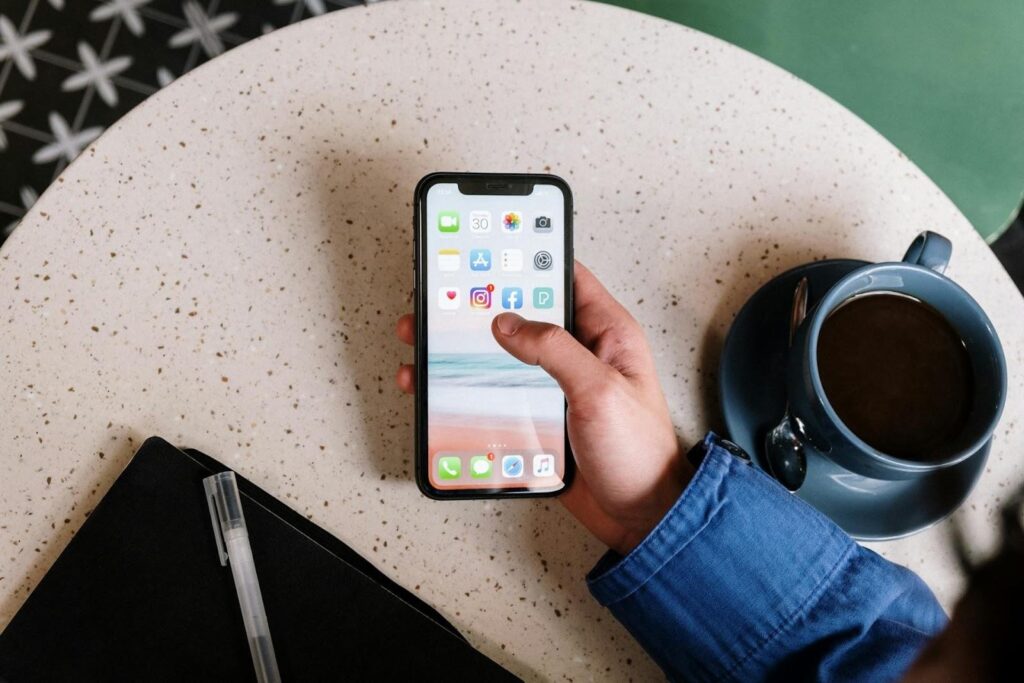
Meta (Facebook and Instagram) offers robust location tools. While you can’t drop a pin on a single building like you used to, you can still target a tight radius.
The “Drop Pin” feature allows for a 1-mile radius targeting in many cases. This radius effectively creates a digital net around both university grounds and the adjacent off-campus apartments.
However, don’t just upload a PDF of your flyer as an image. That is the cardinal sin of social advertising. Text-heavy images get penalized by the algorithm and look like spam.
Instead, use “Dark Posts.” These are ads that don’t appear on your main profile feed.
They only appear in the feeds of users in your target zone. This flexibility lets you A/B test multiple creative angles simultaneously to identify the top performer.
Execution and Budgeting
Creative That Converts
The biggest mistake student organizations make is “flyer blindness.” They spend hours designing a busy poster with 12 fonts.
Then they post that image to Instagram and wonder why it gets no engagement. On mobile, that text is unreadable.
You need to pivot to “User Generated Content” (UGC) styles. Make the ad look like a regular post from a friend.
Here is a simple formula for a high-converting video ad:
- The Hook: A face on camera asking a question (“Bored on campus this Friday?”).
- The B-Roll: Quick cuts of food, music, or people laughing.
- The Details: Text overlay with Time/Location (keep it brief).
- The CTA: “Link in bio to RSVP.”
This feels native to the platform. It doesn’t disrupt the scrolling experience; it enhances it. It looks like entertainment, not an interruption.
Budgeting for Student Organizations
Effective digital campaigns don’t require deep pockets. Digital ads are democratic. You can start with as little as $5 a day on Instagram.
Here is a realistic breakdown for a small student club event:
- Snapchat filter: $15–$30 (Covering the venue for 5 hours).
- Instagram story ad: $50 (Running for 3 days prior to the event).
- Total spend: Under $100.
Compare this to the cost of printing. Printing 500 color flyers can easily cost $150 or more.
And you have to physically distribute them. The digital approach saves money and saves you from spending three hours taping paper to walls.
Measuring Success
The beauty of digital ads is the feedback loop. With flyers, success is a guessing game. With ads, you know exactly what happened.
You can track “Click-Through Rate” (CTR) to see if your creative was interesting. You can track “Cost Per Click” (CPC) to see if you are spending efficiently.
Most importantly, you can track “RSVPs” if you use a ticketing platform like Eventbrite. You can see exactly how many people clicked your ad and then claimed a ticket.
This data is gold for securing funding for future events. If you can prove to your Student Government that every $1 spent on ads brings in 2 attendees, you will get more funding.
Conclusion
The transition away from paper is inevitable. It is better for the planet, better for your budget, and better for reaching students.
Geotagged ads pierce through online clutter by anchoring your digital message to physical reality. Don’t let your event be another piece of paper fluttering in the wind.
Put it on the screen that every student is already looking at. Draw your fence, launch your filter, and watch the RSVPs roll in.