
Brand assets accumulate quietly over time. A logo created five years ago spawns variations for different campaigns. Product photos multiply across departments.
Presentation templates evolve through countless iterations. Social media graphics pile up in folders organized by whoever happened to create them last.
For small teams, informal systems work. Someone knows where everything lives. Approval happens through Slack messages and hallway conversations.
Then the organization grows. New hires don’t know the folder structure. Regional offices need localized materials. Agencies cycle in and out.
What worked at twenty people breaks at two hundred. The symptoms emerge slowly. A sales deck uses an outdated logo. Marketing can’t find last quarter’s campaign assets.
Legal discovers non-compliant materials in the market. Each incident feels isolated until you step back and recognize the pattern.
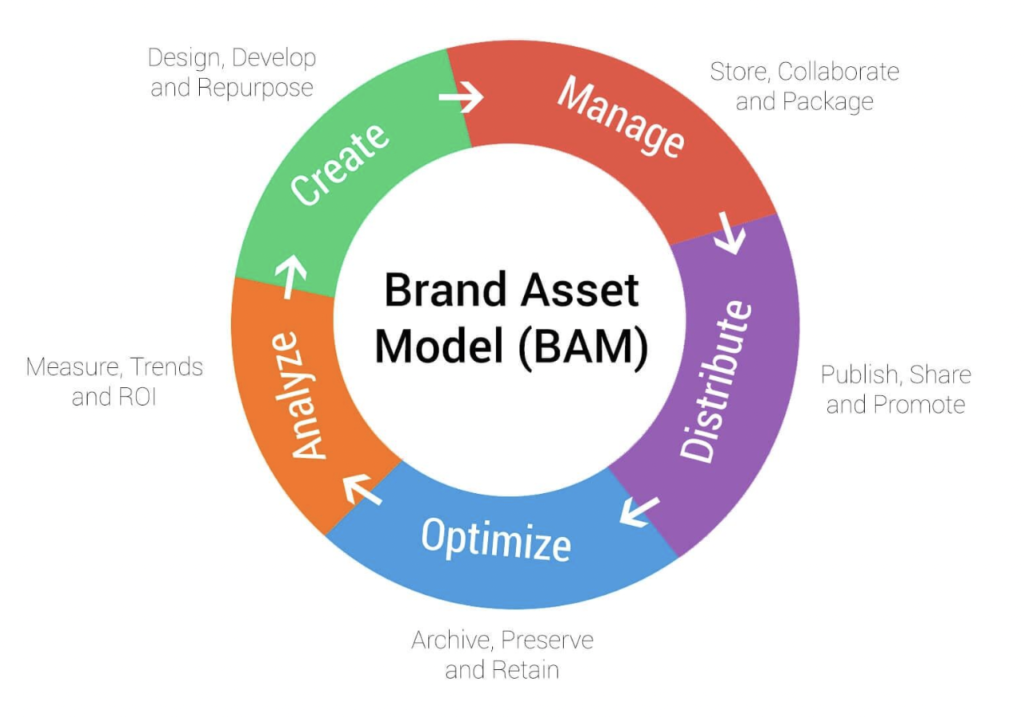
Brand inconsistency and operational inefficiency are symptoms, not root causes. The underlying issue is structural. Most organizations never deliberately designed a system for managing brand assets at scale. They inherited whatever evolved organically during early growth.
Recognizing the warning signs matters because these problems compound. The longer they persist, the more expensive and disruptive they become to fix.
1. Teams Are Using Multiple Versions of the Same Logo
Walk through your organization’s recent external communications. Check the website, social media accounts, sales presentations, partner materials, and email signatures. You’ll likely find subtle variations in your primary logo.
Different proportions, inconsistent spacing, outdated color values, or unofficial adaptations someone created for a specific context and then repurposed.
This happens gradually. A designer makes a quick adjustment for one project. That version gets copied and reused. Regional teams create localized adaptations.
Agencies working on specific campaigns develop variations. No single instance feels problematic, but the cumulative effect weakens brand recognition.
Companies benefit from AI digital asset management by keeping approved brand assets centralized and preventing inconsistent or unofficial versions from spreading across teams and campaigns.
Research consistently shows that consistent brand presentation increases revenue and builds trust. According to Lucidpress, consistent branding across all channels can increase revenue by up to 23%.
This isn’t about perfectionism. It’s about the compounding effect of repeated exposure to cohesive visual identity versus fragmented impressions that don’t reinforce each other.
The operational confusion runs deeper than aesthetics. When multiple logo versions exist, teams waste time debating which to use. New employees receive conflicting guidance. External partners don’t know which file is authoritative. Simple decisions that should take seconds consume hours in email threads and meetings.
2. Designers and Marketers Waste Time Searching for Files
Ask your creative team how much time they spend searching for existing assets versus creating new work. The answer is usually uncomfortable.
Studies from IDC and other research firms consistently find that knowledge workers spend 20-30% of their time searching for information needed to do their jobs.
In marketing departments, this manifests as designers hunting through network drives, Dropbox folders, Google Drive directories, and email attachments looking for that product image from last year’s campaign.
Marketers dig through old presentations trying to find approved messaging. Content creators search Slack history for files someone shared months ago.
The cost isn’t just individual time. It’s duplicated effort across the organization. When three people can’t find the same asset, they either recreate it three times or settle for whatever they can locate, regardless of whether it’s current or approved.
Deadlines slip because the search consumed time allocated for actual work. Projects get delayed waiting for someone to track down source files.
This problem scales exponentially. With ten employees, institutional knowledge exists in a few heads. At one hundred employees, that breaks down. New team members lack context. People who created assets have moved to different roles or left the company. The folder structure made sense to whoever built it, but confuses everyone else.
3. Sales and Marketing Materials Look Visually Disconnected
Your sales team presents to prospects using decks that look nothing like your marketing campaigns. Your trade show booth doesn’t match your website aesthetic.
Your case studies use different fonts and color schemes from your product sheets. Each piece might look professional individually, but collectively, they feel like outputs from different companies.
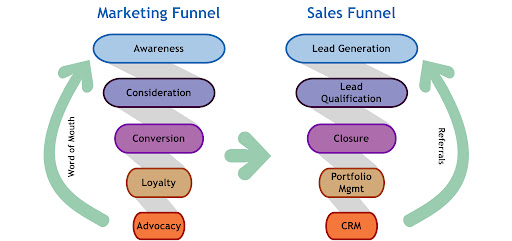
This visual disconnection damages credibility at critical moments. Buyers evaluate trustworthiness through hundreds of micro-signals. When brand presentation lacks coherence, it suggests internal dysfunction or a lack of attention to detail. If you can’t maintain consistent visuals in customer-facing materials, how reliable will you be as a partner or provider?
The issue often stems from distributed creation without centralized standards. Sales creates their own materials because marketing assets don’t fit their needs. Regional teams adapt corporate materials to local markets. Product teams develop their own collateral. Each group optimizes for its immediate context without considering cumulative brand impact.
Messaging inconsistency compounds the visual problem. One department describes your value proposition one way. Another uses completely different language. Customer-facing teams present conflicting information about capabilities or positioning. This isn’t about word choice. It’s about whether your organization speaks with one voice or many.
4. Brand Guidelines Exist but Are Rarely Followed
Most growing companies create brand guidelines at some point. The result is typically a PDF document, maybe fifty pages, covering logo usage, color palettes, typography, imagery style, tone of voice, and various rules about what not to do. It gets distributed to the team, stored on a shared drive, and gradually forgotten.
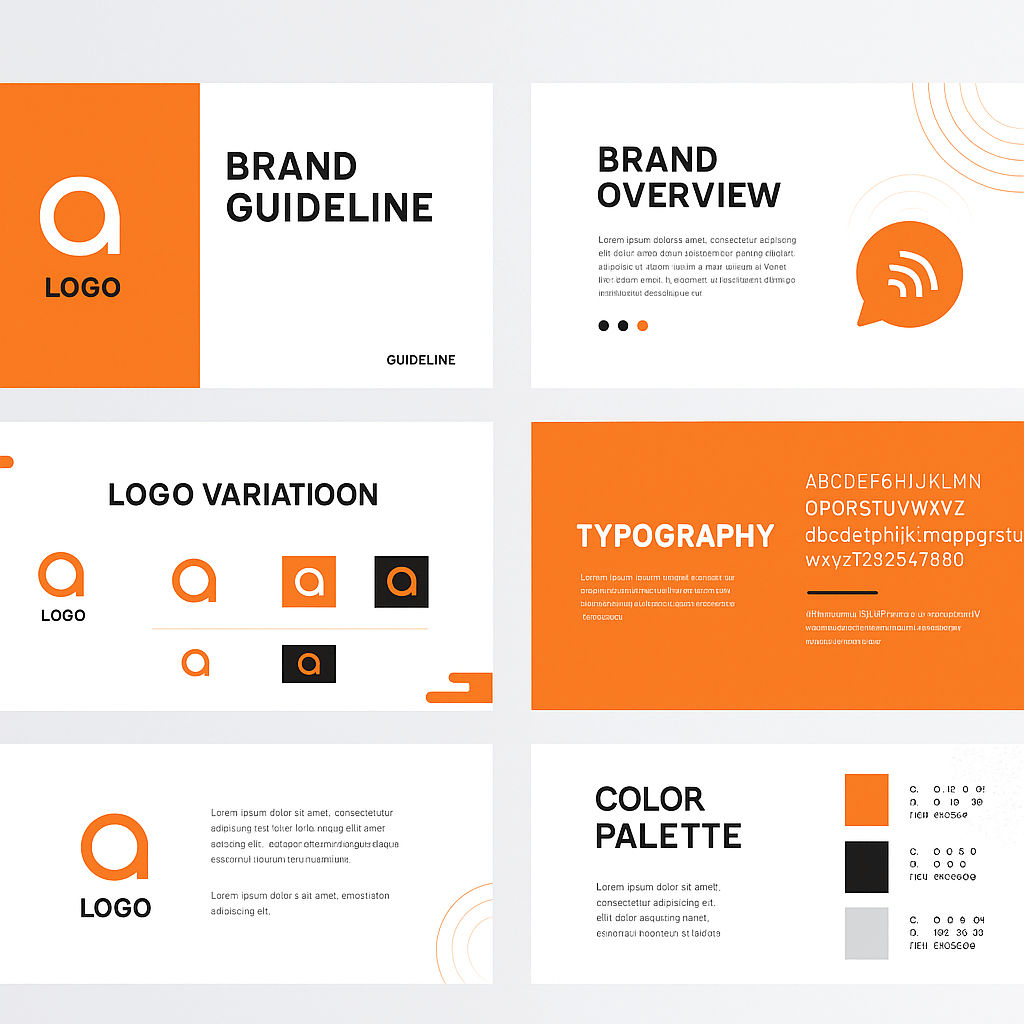
The problem isn’t the guidelines themselves. It’s that static documents can’t adapt to how teams actually work. A designer working on a campaign doesn’t want to download a PDF and search for the rule about the logo’s minimum size.
A marketer launching content doesn’t have time to cross-reference their draft against approved messaging frameworks. The friction between consulting the guidelines and getting work done means people skip the guidelines.
Distributed teams face even higher barriers. Remote employees don’t have someone to ask. International offices work in different time zones from the people who wrote the guidelines.
Agencies and freelancers receive the document but lack context about which rules are rigid versus flexible. The gap between documented standards and real-world usage grows wider.
Enforcement becomes impossible at scale. No one has time to review every asset produced across the organization against the guidelines.
Periodic audits catch violations after they’ve already appeared in the market. By then, fixing them means recalling materials, reshooting content, or accepting the inconsistency and moving forward.
5. External Partners Constantly Ask for Assets
Agencies working on campaigns email requesting logo files. Freelance designers on Slack are asking for brand colors. Distribution partners need product images.
Co-marketing partners want approved messaging. Every request seems reasonable individually, but the cumulative time spent fielding asset requests and tracking down files becomes significant overhead.
This friction indicates structural problems. If external partners repeatedly ask for the same types of assets, access should be systematized rather than handled through manual requests.
When partners can’t find what they need, they either wait for someone internal to respond or make their best guess using whatever they can locate.
The version control risks multiply with external distribution. You send an agency a logo file. They use it across multiple projects over months. Your brand updates, but they don’t know the file is outdated.
Materials appear in the market using old assets because no systematic notification happened when things changed.
This is often where structured brand asset management practices are introduced, not as a creative upgrade, but as an operational necessity to reduce repetitive handoffs and version confusion.
Organizations reach a threshold where manual asset sharing doesn’t scale, and the downstream consequences become too expensive to ignore.
6. Compliance and Legal Teams Flag Brand Misuse
Legal reviews a campaign and discovers that the disclaimer language is outdated. Compliance catches unauthorized use of third-party imagery without proper licensing. Regulatory review identifies claims that weren’t approved for specific markets. Each incident triggers scrambling to fix materials that are already in production or published.
Brand governance becomes a compliance issue in regulated industries. Financial services, healthcare, and pharmaceutical companies face penalties for non-compliant marketing materials. The brand team’s decisions about what content to use and how to use it carry legal and financial consequences beyond reputation management.
Trademark protection requires active enforcement. When your brand assets appear in unauthorized contexts, you need to identify and address violations or risk diluting your intellectual property rights.
This becomes unmanageable if you can’t track what assets exist, where they’re being used, and whether usage aligns with your licensing and trademark requirements.
Expired licenses create exposure. Your team uses a stock photo in 2022 under a one-year license. That photo appears in multiple materials across campaigns. In 2024, someone updates a presentation and doesn’t realize the image license expired.
The material goes to market with unlicensed imagery. The cost of fixing this exceeds the original license fee by orders of magnitude.
7. Global or Multi-Location Teams Struggle With Consistency
Companies expanding internationally face compounding asset challenges. Regional teams need localized materials that maintain brand consistency while adapting to local markets, languages, and cultural contexts. Without clear frameworks, localization becomes fragmentation.
A regional office takes corporate materials and adapts them. The adaptations make sense locally but diverge from brand standards. Another region makes different adaptations. Each region develops its own interpretation of the brand, and the global brand identity splinters into regional variants that share a name but little else.
Time zone differences mean regional teams can’t easily consult with corporate brand teams when questions arise. They make decisions with available information and move forward. By the time corporate reviews the materials, they’re already in the market. Rolling back becomes expensive and politically complicated.
Cultural adaptation requires judgment that’s difficult to systematize. What works visually in one market may carry different connotations elsewhere. Imagery, color usage, and messaging need local expertise. The challenge is enabling appropriate adaptation while preventing drift from the core brand identity that should remain consistent globally.
8. Campaign Launches Take Longer Than Expected
Planning shows campaigns should launch in six weeks. Reality is ten weeks. The extra time disappears in asset approval bottlenecks, last-minute corrections, and discovering that files needed for production don’t exist or are outdated.
Version control problems consume substantial time. Creative develops materials using files they located. Review discovers those files were outdated. Creative revises using updated assets. Legal review catches additional issues. The cycle repeats. Each iteration burns days or weeks.
Unclear ownership creates approval delays. No one is certain who has final sign-off authority. Materials route through multiple stakeholders without clear decision rights.
Feedback conflicts because different reviewers have different understandings of brand standards. Reconciling feedback takes longer than creating the original materials.
Dependencies cascade. Campaign creative depends on finalized product images. Product images depend on photography. Photography depends on product availability. Any delay in the chain delays everything downstream. Without systematic asset planning and tracking, these dependencies aren’t visible until they’re blocking launches.
9. No One Knows Which Assets Are Still Approved
Your asset library contains files from five years of activity. Some are current. Some are outdated but look similar to current materials. Some contain deprecated messaging or discontinued products. No one is confident about which assets are safe to use without asking around.
This uncertainty slows decision-making and increases risk. Teams either ask for confirmation before using assets, creating bottlenecks, or use whatever they find and hope it’s correct, creating compliance exposure. Both options are expensive. One trades speed for safety. The other trade safety for speed. Neither is sustainable.
Lifecycle management falls through the cracks. Assets should have metadata indicating approval status, expiration dates, usage restrictions, and retirement schedules. In practice, files sit in folders with unclear status. Old messaging gets reused because someone found it and didn’t know it was retired. Outdated product information appears in new materials.
Campaign materials have shelf lives. Time-limited offers expire. Seasonal content becomes irrelevant. Product features change. Competitive positioning shifts. Without systematic tracking, materials created for specific contexts get repurposed in situations where they’re no longer accurate or appropriate.
10. Brand Growth Feels Harder Than It Should
You’re investing in brand building. Creating more content. Expanding into new channels and markets. Hiring talented people. But progress feels slower and more difficult than it should. The friction isn’t market conditions or competition. It’s internal operations.
Brand operations lack structure. Decisions that should be straightforward require extensive coordination. Questions about brand standards don’t have clear answers. Talented people spend time on administrative overhead rather than strategic work. Energy dissipates in process friction instead of building momentum.
The compounding effect of operational drag makes everything harder. Campaigns take longer to launch, so you produce fewer campaigns. Asset creation requires more time, so you create fewer assets. Reviews surface inconsistencies, so revisions consume budget. Each inefficiency is small, but collectively they create a substantial headwind.
Growth should feel leveraged. Early brand investments should make subsequent work easier. Established visual systems should accelerate design. Approved messaging frameworks should speed content creation. Organized asset libraries should reduce production overhead. When growth feels harder instead of easier, operational systems are likely the constraint.
Final Takeaway
These warning signs share a common root cause. Most organizations never deliberately designed their brand asset operations. They inherited whatever evolved organically. What worked early stops working at scale, but inertia prevents change until the pain becomes acute.
This is a systems problem, not a people problem. Your designers are talented. Your marketers are strategic. Your teams work hard. The constraint is structural. Informal processes that relied on institutional knowledge, manual coordination, and small team size break when those conditions change.
The solution starts with recognition. Audit your workflows honestly. How much time is consumed searching for assets? How often do compliance issues surface? How many versions of your logo are in circulation? What’s the actual timeline from concept to launch for typical campaigns? Where does friction consistently appear?
Organizations that address these operational foundations before they become critical bottlenecks maintain momentum during growth. Those who defer structural changes until informal systems collapse face more disruptive and expensive transitions later. The question isn’t whether to systematize brand operations. It’s whether to do it proactively or reactively.