Community engagement might sound like one of those overused marketing terms, but honestly, it’s pretty straightforward. It’s the relationship between your offline brand and the people who show up, talk about you, bring their friends, and basically keep your space alive.
Offline experience businesses survive on footfall, so building a sense of community isn’t optional anymore. And the stats agree.
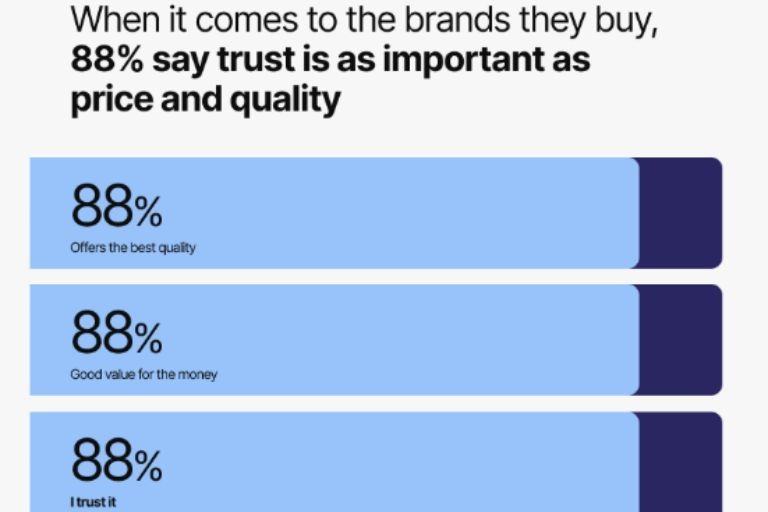
Edelman reports that around 81% of consumers need to trust a brand before buying from it. That trust grows through real, repeated, face-to-face interactions.
When we talk about “offline experience brands,” think escape rooms, including local favorites like Escape Room Atlanta, fitness studios, gaming cafés, pottery workshops, wellness hubs, and art spaces.
People don’t just walk in for the activity; they come because they want to feel like they belong somewhere.
So now imagine joining a climbing gym, and suddenly everyone knows your name. Feels good, right? That’s community engagement at work.
Need for Strong Community Engagement
So why do offline experience brands need community engagement? It’s basically the backbone of repeat business.
As you know, offline brands usually carry higher operational costs, and they rely heavily on local audiences.
So, it is clear that when people feel connected, they return more often, bring others, and even overlook small flaws, and they naturally become powerful engines of word-of-mouth marketing.
This kind of organic promotion often works better than paid advertising because people trust recommendations from friends and family.
There’s also a need for differentiation. Anyone can launch a gaming zone or a painting workshop. But not everyone becomes “the place everyone talks about.”
For example, in a competitive market like Escape Room Atlanta, brands listed on Escape Room stand out because they aren’t just running games; they’re building mini-communities that keep players coming back. The community creates buzz that money can’t buy.
And then there’s stability. Offline businesses have good months and slow ones. Trends shift randomly. Competitors appear.
Community acts like a cushion. People don’t run off at the first distraction. They stay because they feel emotionally invested.
Importance of Building Community Engagement for an Offline Experience Brand
Here are a few reasons, simply explained:
- Boosts repeat visits – People return because they feel connected, not because of discounts.
- Creates organic advocacy – Community members talk, share, and recommend. Free marketing at its best.
- Increases trust and loyalty – Offline brands depend heavily on trust. Community speeds this up.
- Enables new revenue opportunities – Events, memberships, merchandise. Community makes them feasible.
- Strengthens brand identity and community belonging – A connected community gives your brand personality and character, while also helping local audiences feel included, valued, and part of something meaningful.
- Improves customer feedback loops – Engaged communities openly share what works and what doesn’t, helping you refine experiences faster.
- Enhances local visibility – Active community engagement increases your presence in local groups, schools, clubs, and neighborhoods.
- Drives collaborative partnerships – Community connections open doors to local businesses, influencers, and event organizers.
Practical Ways to Build Community Engagement for Offline Experience Businesses
Below are practical, actionable, and locally focused strategies that offline experience businesses can start applying immediately to build genuine community connections and long-term loyalty.
- Host small recurring events
No need for big festivals. Just simple weekly or monthly sessions. Trivia nights, member previews, creative circles. A board-game café I know hosts a “bring your weirdest game” on Thursday. It became their signature thing.
- Give regulars a spotlight
Feature “a member of the month,” photo walls of escape room champions, and community stories on social media. People love being acknowledged.
- Build micro-communities
A fitness studio can have groups like “morning squad,” “strength junkies,” or “Sunday-only crew.” These clusters naturally form, but you can support them with group chats or dedicated meetups.
- Let staff personalities shine
People often return because of the team. Let staff greet customers by name, joke around, and share behind-the-scenes moments. A friendly game master can completely shift the vibe.
- Create experience-based loyalty programs
Forget boring point systems. Make it a journey. Complete 5 rooms to unlock a behind-the-scenes tour. Attend 10 classes for an exclusive mini-session, making loyalty fun.
- Encourage user-generated content
People love posting. Give them reasons. Fun props, quirky photo corners, challenges, and signboards. A pottery studio I visited lets regulars put their name on a tile after 10 visits. Everyone wants their tile up.
- Collaborate with local creators
Bring in artists for pop-ups. Partner with cafés. Host cross-brand events. Communities grow faster when they mix.
- Add educational or skill-building experiences
An escape room could host puzzle-design workshops. A VR arcade could teach how VR actually works. This positions your space as more than entertainment.
- Use a human feedback loop
Don’t stick to boring feedback forms. Chat at the exit. Ask what annoyed them. Be real, and they’ll be real back.
- Celebrate mini-milestones
Reached 1000 members? Celebrate. One-year anniversary? Celebrate. Someone accomplished something cool? Celebrate together. Shared wins build bonding.
Turning Community into Long-Term Brand Culture
The community shouldn’t feel like a campaign. It should feel like part of your brand’s DNA. Let your values show up everywhere. Décor, communication, staff behavior, and event style. If your brand is playful, let the environment feel playful. If it’s artsy, let creativity shine in every corner.
Communities also evolve. Trends shift. People change. So keep your formats flexible, refresh activities, rotate ideas, and invite new contributors. A community is alive only when you keep it breathing.
A strong community also grows when people feel seen and heard. Take time to acknowledge regulars, highlight member stories, or celebrate small wins. When guests feel recognized, they stop being just visitors and start becoming loyal supporters.
Simple gestures like shout-outs, appreciation posts, or remembering someone’s preferences can turn a casual customer into a long-term brand advocate. This is how offline brands turn occasional visitors into lifelong fans, the very foundation of sustainable community engagement.
Conclusion
So, building community engagement for offline experience brands is not complicated anymore; instead, it’s about being real, being consistent, and genuinely caring about people.
Customers today want more than an activity. They want a place where they feel seen, remembered, and appreciated.
Offline businesses already have the edge, or we can say the advantage of physical connection. With the right touchpoints, you turn visitors into regulars, regulars into fans, and fans into advocates.
Once a community forms around your brand, everything becomes easier. Marketing costs drop, word of mouth grows, and your space becomes more than a business. It becomes a place people belong to. And honestly, that’s the real win.