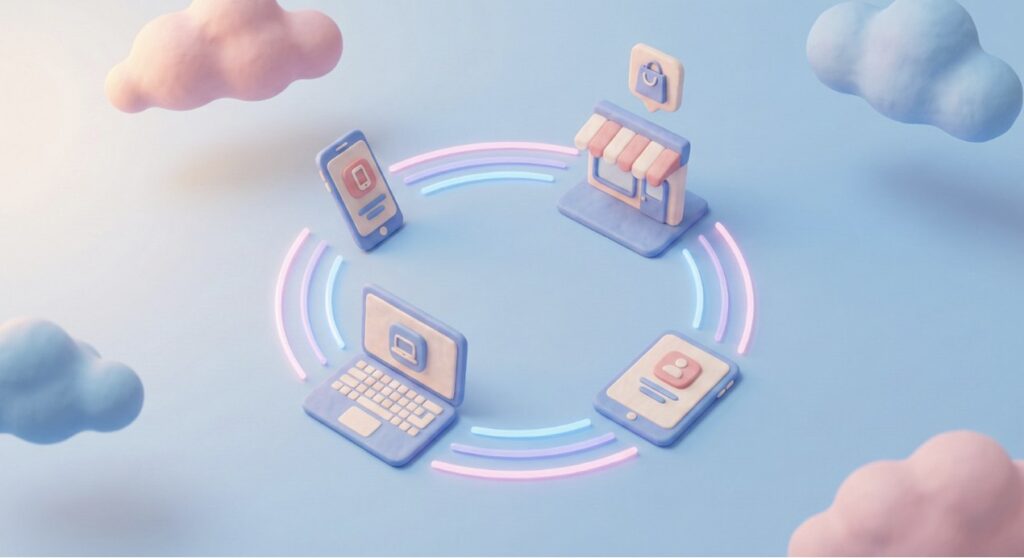
Businesses today need to be wherever their customers spend their time.
Whether people are scrolling social media, browsing websites, checking emails, or shopping in-store, meeting them across these touchpoints is essential.
They demand to be able to use any channel interchangeably, to receive support instantly, and to get personalized customer engagement.
The Omnichannel Marketing approach is an emerging strategy that has changed how brands create and deliver customer experiences through digital channels.
This strategy is to create a seamless experience across all customer interactions and provide consistency to all channels.
That is merely the beginning of the story with the experts of this field who aid companies to not only exist on several channels but also to strategically assimilate those channels to achieve real, quantifiable increases in sales, customer retention, loyalty, and, eventually, brand equity.
This article explains how omnichannel marketing agencies drive massive results for companies and what different strategies they use to achieve it.
Understanding Omnichannel Marketing and Its Importance
Omnichannel marketing is a network that connects all the ways a brand interacts with customers online and offline to provide an easy and consistent customer journey.
These are the websites, mobile apps, social media, email campaigns, physical stores, and customer service.
An omni-channel approach allows for a unified experience across multiple platforms as opposed to treating each channel individually, which creates more confidence and satisfaction in people using the service.
Why Omnichannel Marketing Becomes a Necessity For Today’s Companies?
The customer’s buying behavior changes over time. Today’s customers want personalization, convenience, and consistency. Brands that meet these requirements have a higher chance of attracting and retaining loyal customers.
An omnichannel marketing agency uses customer data collected from different channels as a foundation to craft strategies that reflect both customer behavior and business goals, leading to measurable growth.
Key Ways Omnichannel Marketing Agencies Drive Business Growth
Omnichannel marketing agencies play a crucial role in helping businesses connect every customer touchpoint into one unified experience.
By combining data-driven insights with coordinated branding and personalized communication, they create strategies that lead to stronger engagement and higher conversions.
Below are the key ways these agencies drive real, measurable business growth.
Enhancing Customer Experience and Brand Consistency
Omni-channel marketing is essentially one of the customer-experience enhancers that can provide the customers with an experience that is both seamless and satisfying:
Seamless experience across touchpoints
The customer receives the same experience on every channel, whether they check the brand on a mobile phone, desktop, social media, or visit the store in person. This level of consistency builds trust and removes any sense of friction.
Consistent branding and messaging
Brands generally maintain the standard of brand aspects like logos, visuals, and the promotional tone, together with the channels that help the brand to be recognized and familiar through the usage of agencies.
Personalization and context awareness
Agencies utilize data to provide personalized suggestions, deals, and communication to their clients.
When an agency uses a customer’s browsing history, past purchases, and preferences to decide, then the interactions become more relevant, and the customers get more involved.
By providing an exceptional experience, companies get the loyalty of customers, their positive feedback, and recommendations by word of mouth, which is ultimately beneficial for the business in the long run.
Enhancing Customer Retention and Lifetime Value
New customer acquisition expenses may be up to five times higher than those of customer retention.
Businesses that use omnichannel marketing agencies can get the utmost value out of their existing customer base by performing the following activities:
Customer consistent engagement
Interaction with customers through various channels helps the brand to be on the customer’s mind most of the time, and, thus, the probability of repeat purchases is getting higher.
Personalized offers and loyalty programs
The launch of a customer-targeted offer, loyalty points, and a marketing campaign will not only lead to a repeat sale but also create a strong bond with the customer in the long run.
Increasing customer lifetime value (CLTV)
A brand-loyal customer, who is given a consistent and personalized experience in all channels, will probably spend more during his or her lifetime than a customer who is only served through one channel.
Enterprises that deeply execute an omnichannel strategy can retain a significantly larger portion of their customers than enterprises with a merely fragmented approach.
Attention is a very important factor that is directly linked to company revenues that are sustainable and to their growth.
Increasing Sales, Conversions, and Revenue
Omnichannel marketing not only enhances customer loyalty but also has a very powerful direct effect on revenue:
Multiple touchpoints increase purchase opportunities
Brands that are present on different platforms will be more likely to be purchased by customers.
Data-driven targeting and personalization
The data that is collected from various sources gives endless opportunities for agencies to come up with the most appropriate offers and messages, and because of this, they achieve higher conversion rates for brands.
Cross-selling and upselling opportunities
The increment of the average order value is the effect of the personalized recommendation that is made from customer behavior.
Better return on marketing spend
The involvement of unified campaigns reduces the redundancies, the wastes, and the inefficiencies, therefore increasing the ROI.
Studies show that omnichannel customers spend on average 10-30% more per transaction than single-channel customers, which is a real financial benefit and the main reason why businesses should invest in a properly executed omnichannel strategy.
Driving Operational Efficiency and Scalability
The implementation of omnichannel strategies lessens the complexities of internal operations and, in this way, the business is allowed to expand.
Removal of Silos
The unification of communication, CRM, marketing, and inventory operations results in minimal duplication of efforts and more efficient coordination.
Automation of repetitive tasks
Automatically, tasks as customer follow-up emails, publishing on social media, retargeting ads, and sending loyalty program notifications are some of the tasks that can be automated, thus the staff can be free to work on the strategy.
Scalable frameworks
It is possible to add new channels or be present in new markets without any upheaval of the existing processes once an omnichannel system has been established.
Operational efficiency allows businesses to scale in a sustainable way, deliver to customers more quickly, and have the ability to make a fast turn in the market.
Services Offered by Omnichannel Marketing Agencies
Omnichannel marketing agencies bring to the table a range of solutions that are not limited to just handling multiple channels:
Customer Journey Analysis
Agencies make customers’ journey from start to finish, finding places of contact, identifying difficulties, and discovering new opportunities for better customer engagement.
Unified Brand Messaging
Agencies guarantee the uniformity of brand communication through the Internet presence, social media, newsletters, brick-and-mortar stores, as well as any other channels.
Technology Integration
As a result of these activities, customer relationship management (CRM) systems, marketing automation, analytics dashboards, and inventory management are linked up to allow for smooth data interchange.
Omnichannel Campaign Management
Agencies make use of synchronized communication, retargeting, loyalty schemes, and tailored offers for pump priming to create the campaigns.
Data-Driven Optimization
On the one hand, audience segments are formed, and on the other hand, personalized communication is sent out. Also, on the basis of performance metrics, the campaigns are modified.
Workflow Automation
The repetition of marketing, customer support, and engagement tasks is done automatically to save time.
Cross-Department Coordination
Agreement between the sales, marketing, and support teams on the performance of joint tasks, facilitated by the agencies, is the result.
Monitoring and Reporting
Agencies measure engagement, retention, conversions, revenue, and ROI, which in turn allows for the continuous updating of the strategies.
Omnichannel marketing agencies, by overseeing the whole operation, become a unified growth lever that turns fragmented marketing initiatives around.
Real World Examples of Omnichannel Success
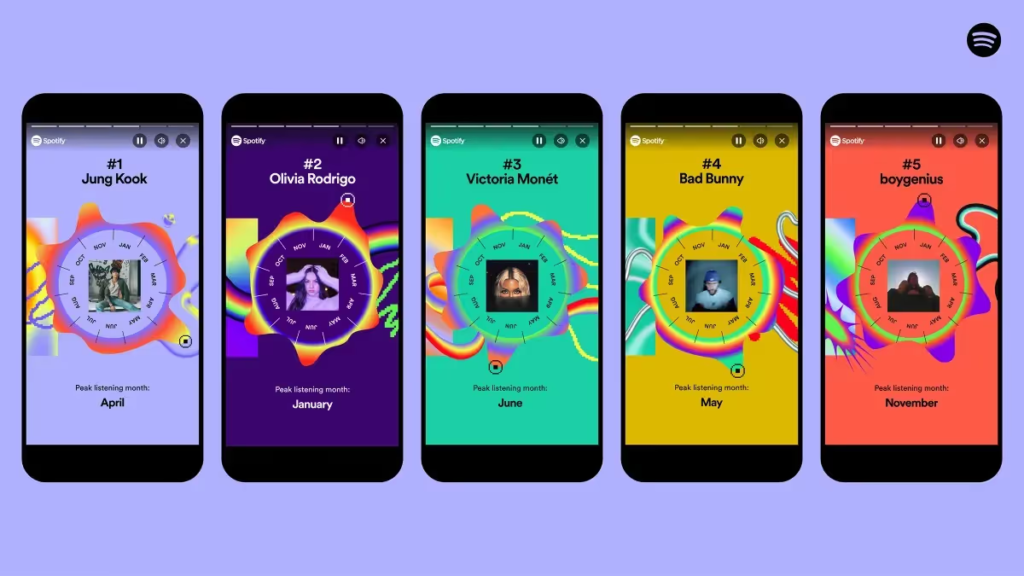
Spotify’s ‘Wrapped’ campaign
They’ve transformed annual listening data into one of marketing’s most anticipated events, turning every user into a voluntary brand ambassador through personalization and shareability at scale.
Spotify implemented a multi-touchpoint strategy. Some of the points included app and email delivery of personalized year-end summaries, providing custom shareable graphics optimized for Instagram, Twitter, TikTok, and Facebook, and displaying real user data on billboards for out-of-home, artist partnerships amplifying their own Wrapped stats.
Spotify Wrapped had a 40% rise in interaction and connected with users in 170 markets globally.
The achievement of the campaign led to a very large user-led amplification spree. Users were turned into brand ambassadors voluntarily, sharing their data in a most prideful manner across their networks.
Source: Venice
Nike’s Omnichannel Strategy
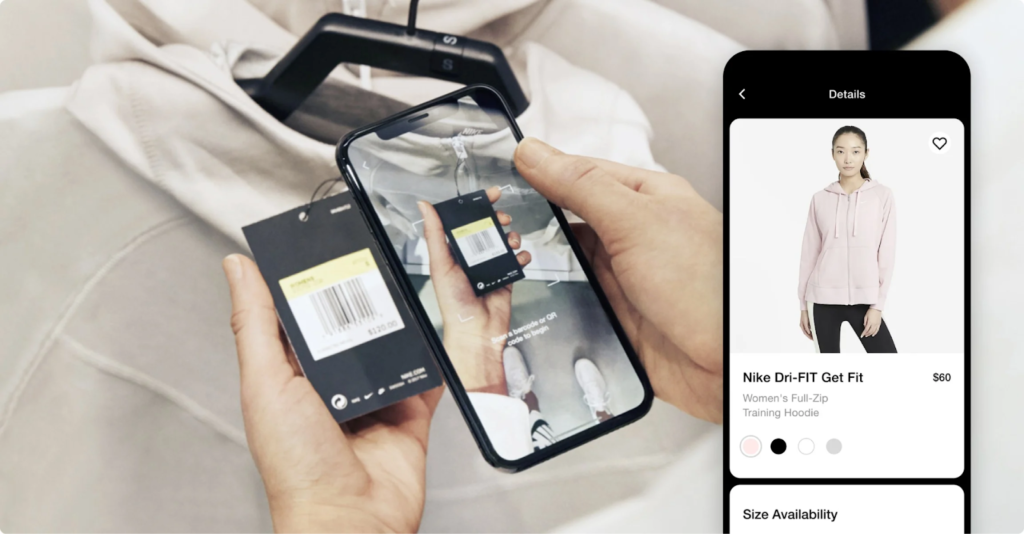
Nike is one of the few companies globally to have built such a strong omnichannel ecosystem, which is largely driven by the more than 250M app users that provide real-time insights about their preferences, browsing behavior, and purchase patterns.
By using the data in stores that are interactive, Nike is able to offer its customers a seamless, personalized experience that can be reached through every channel.
Online-created profiles are automatically connected with the in-store ones for a faster checkout, loyalty rewards, and personalized recommendations.
Giving away member-only perks and allowing the customers to have the first access to drops are, probably, two of the most powerful methods, not only to support emotional loyalty but also to keep customers engaged across platforms.
This strategy delivers measurable results. Nike reports significantly higher engagement, increased purchase frequency, and stronger loyalty from omnichannel customers.
Most importantly, Nike App users show a 30% higher customer lifetime value (CLTV) compared to single-channel shoppers.
Source: Nike
Classical KING FM
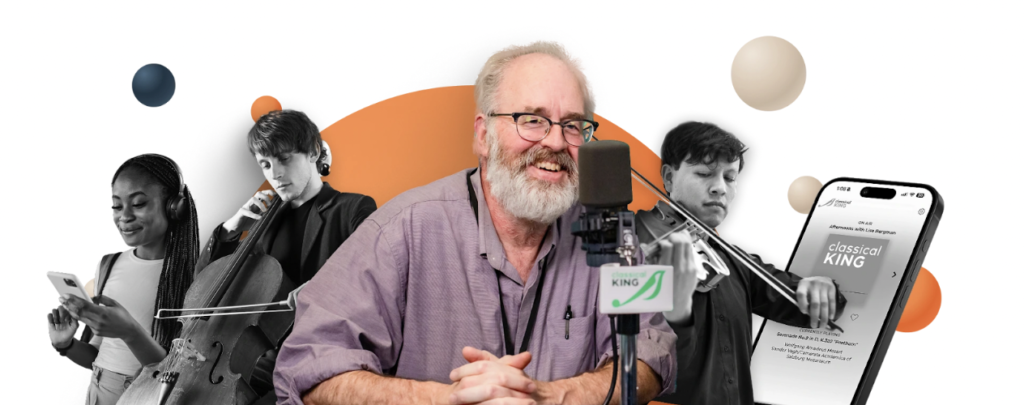
Classical KING FM, a 76-year-old station that dates back to 1948 and has undergone a major transformation to fit the digital audience by syncing its mobile application with the local 98.1 FM broadcast to give a united listening experience to the users, has been able to successfully pull off this accomplished changeover.
People were hence provided with the continuity of their experience in cars, at home, or anywhere else they were.
With KING FM’s initiative and the assistance of Catalyst Marketing Agency, KING FM pushed the engagement of the audience to a new height through several different strategies that included personalized emails, storytelling through different media, social content, and giving app users exclusive access to events.
To attract younger audiences and to in turn, make them loyal to the brand, the channels were filled with videos, motion graphics, and behind-the-scenes production glimpses.
This mix of campaigns delivered strong results: messages were sent across 1,000+ channels, community interactions surpassed 1,500, and the listener base grew by more than 50% overall.
Source: Catalyst
Why Agencies Are Usually Better Than In-House Teams
While businesses might attempt to manage omnichannel marketing in-house, agencies still hold advantages in several aspects:
- Knowledge of platforms and technologies: An agency knows exactly how to integrate CRM, automation, and analytics tools for the highest level of work-saving.
- Comprehensive customer journey orientation: Campaigns are turned into the means by which the whole customer experience is looked at, instead of just detached initiatives.
- Cost and resource efficiency: Building an in-house omnichannel system is a very expensive process and consumes a lot of time.
- Continuous optimization: Agencies improve their performance by relying on data insights, and this, in turn, gradually brings better results.
- Scalability: Basically, agencies can wire a new channel, expand campaigns, and switch tactics as companies grow without any problem.
Partnering with a niche agency is the most efficient method to guarantee that omnichannel marketing acts as a tool for stable, measurable results.
Common Challenges and How Agencies Address Them
- The first challenge that comes from implementing omnichannel strategies is data integration across systems. The agency gathers data from different platforms to have a single customer view.
- Another challenge is consistency across channels. They (the agencies) guarantee branding, messaging, and offers to be at the same level and of the same type throughout the different channels.
- Technology and resource demands are other challenges that agencies overcome by providing the necessary expertise and infrastructure to efficiently operate complex systems.
- Team coordination is another struggle that agencies solve through the facilitation of collaboration between the marketing, sales, and support teams.
- Privacy and compliance are the last ones on the list of challenges. Agencies give customers the service they want while respecting the laws regarding data protection.
Agencies make omnichannel marketing doable and successful by solving those problems.
How to Choose the Right Omnichannel Marketing Agency
To find the appropriate agency that fits your brand, you should
- Examine their proof-backed multi-channel experience. The individual should be capable of managing online, offline, social, email, and in-store campaigns efficiently.
- Skilledness in the technical side, an expert should be a proficient user of CRM, automation, analytics, and personalization technologies.
- There should be a tangible record of enhancement in conversion, retention, revenue, and ROI.
- Knowledge of your business model and customer journey. The strategies should be customized rather than being a set of general tactics.
- Concentration on the growth over a long period of time. Find such agencies that take the omnichannel sustainable strategies as a priority.
An excellent agency is what makes omnichannel marketing not just a notion but a real, quantifiable business growth tool.
Final Thoughts
Customers nowadays demand smooth, tailored interactions to be available on any of their devices or platforms. This is exactly what an efficiently executed omnichannel marketing strategy delivers, along with the increase in business that can be measured.
Through collaboration with a professional agency, companies have the freedom to initiate the following positive chain reactions: higher sales volume, increased customer loyalty, greater brand advocacy, improved ROI, and consistent delivery of an excellent brand experience.
The use of omnichannel marketing has ceased to be simply an option; rather, it has become the prime mover of scalable, sustainable business growth in a fiercely competitive market.