Most brands publish content. Few create a content experience that people actually enjoy. The kind that sticks, teaches something valuable, and feels good to consume.
I’ve seen how brands like Red Bull, HubSpot, and Airbnb do this better than anyone. They don’t bombard you with information. They pull you into stories, visuals, and moments that make you want to stay longer.
That’s the power of a strong content experience. It turns casual visitors into people who actually care about what you publish next.
So let’s break down how it works, why it matters in 2026, and what you can take from the brands doing it right.
TL;DR
- Content experience is the way people live your content, not just what they read.
- Strong content experiences keep people engaged, build trust, and turn casual readers into repeat visitors.
- Visuals, mobile-first design, and educational content dramatically increase engagement and conversions.
- A strong content experience comes from five steps: audit → strategy → creation → distribution → analysis.
- Personalization, consistency, interactive elements, SEO, and continuous refinement make your content hit harder.
- Content experience is what makes your content memorable, usable, and worth someone’s time.
What Is Content Experience?

First off, a content experience is the way your audience lives your content, not just how they read it. It’s the flow, the visuals, the structure, the ease, the little details that make someone stay instead of bouncing after three seconds.
Think of it like this: plenty of brands publish content. The ones that win make it feel like something you want to spend time with.
A strong content experience makes your message clear, keeps people engaged, and pushes them naturally toward the next step. It turns passive readers into people who stick around.
If your content is solid but the experience around it is weak? People leave. When both hit together? You get attention, trust, and action.
That’s why content experience is the backbone of digital marketing success.
Why Content Experience Matters
Most people don’t bounce because your content is bad. They bounce because the experience around it makes it hard to care.
The numbers make it obvious:
- Content marketing can increase customer lifetime value by up to 70%. A strong content experience doesn’t stop at the first click. It builds relationships that last.
- 97% of businesses say content marketing delivers positive results. The real wins go to the teams who focus on how people experience their content, not just what they publish.
- Businesses that get content right see up to 55% more website visitors. This is what happens when structure, flow, and usability actually work together.
- Articles with 7+ images earn 555% more backlinks and 259% more unique page views. Strong visuals don’t just decorate content. They pull people in and keep them there.
- Customers who consume educational content are up to 131% more likely to purchase. When your content teaches something real (and it’s easy to follow), trust comes faster.
- 87% of marketers prioritize informational content over sales messages. People want clarity, and a strong content experience delivers it.
- Smartphones account for over 70% of retail website visits. If your content isn’t smooth on mobile, you lose your audience before they even get to the value.
Audiences are overloaded. Everyone’s scanning, skipping, and closing tabs the second something feels messy or hard to follow.
That’s why content experience matters. Clear, engaging, and easy-to-digest content earns attention, keeps people moving through your message, and turns interest into real action.
Content Experience vs. Content Marketing
Both ideas work together, but they play different roles.
The easiest way to picture it? Think of a party.
Content marketing is the person who knows how to tell a great story. They’ve travelled, cooked, rescued kittens… they can keep a room entertained.
Their goal is simple: build trust and spark enough interest that you want to see them again.
Meanwhile, the content experience is everything happening around them.
The music, the lighting, the snacks, the energy. It’s the atmosphere that makes those stories hit harder, keeps conversations flowing, and stops people from slipping out early.
Here’s the breakdown without the party metaphor.
Content marketing:
- Creates the actual stories: blogs, videos, guides, podcasts.
- Shares your message and promotes your brand.
- Brings people to you.
Content experience:
- Shapes how someone moves through that content from start to finish.
- Makes the message clear, engaging, and easy to follow.
- Turns casual visitors into people who stay and interact.
This experience stretches across the entire buyer journey. From discovery to decision (and even after), it keeps people informed, comfortable, and willing to take the next step.
Teams that invest in the whole experience (not just the content itself) see higher engagement, stronger retention, and better conversions.
It’s simple: when the journey feels good, people don’t leave.
Content marketing gets someone through the door. And a strong content experience is what makes them want to stay.
How to Build a Solid Content Experience
A strong content experience doesn’t happen by accident. It’s built step by step, with intention and clarity.
Here’s how to put the pieces together:
Step 1: The Content Audit

Content audit example
Start by reviewing what you’ve already published.
Check what attracted traffic, what generated leads, and what sparked genuine interaction.
You’re looking for patterns: the content that performed and the content that didn’t. That way, you’ll know exactly what’s worth repeating and what needs a reset.
Step 2: Content Strategy

With that clarity, outline the plan for what comes next.
Define your goals, who you’re speaking to, the themes that matter, and the channels where your content will live. Include the platforms that support how you deliver and communicate.
The idea is simple: make sure your content serves a purpose and speaks to people who actually care.
Step 3: Content Creation
Now it’s time to create content that actually earns attention.
Blog posts, videos, infographics… whatever you publish should hook people fast and keep them reading. Opening with a sharp question, a number, or a surprising angle helps the reader stay locked in from the start.
If you want to speed up the drafting phase, you can use tools like a paragraph generator or an AI humanizer tool to shape the tone before personalising it for your audience. They help you move faster without losing intent.
Just make sure the final version sounds human and fits what your readers expect. A quick pass with an AI detector can help you improve AI-generated writing and keep everything natural, clear, and easy to follow.
Step 4: Strategic Distribution

Creating great content is only half the work. You still need to make sure it reaches the right people, and that’s where strategic distribution comes in.
So, use the channels that already hold your audience’s attention. That includes social media, email marketing, and your professionally designed website. Each one helps push your content further and gives it the visibility it deserves.
The timing matters too. Publishing and promoting your content when your audience is actually active can make a noticeable difference in reach and engagement.
Small adjustments here go a long way in getting your content seen.
Step 5: Results Analysis
After publishing, review how everything performed.
Check engagement, conversions, and the metrics that show how people interacted with your content.
Use those insights to refine how you create and distribute future pieces. Small adjustments over time sharpen the entire experience.
5 Content Experience Best Practices

A solid content experience isn’t about adding more content. What matters is shaping the way people move through it, what they feel while reading it, and whether they want to keep going.
These practices help you create that kind of experience without overcomplicating it:
1. Personalization
People pay attention when content feels made for them.
Not generic or broad. For them.
That starts with using what you already know: past behavior, interests, and interactions. Next, recommend relevant content, surface the right products, or send emails that actually acknowledge who’s on the other side.
And once you do that, something important happens: people feel seen. Engagement climbs, trust builds, and conversions follow.
But there’s a catch: preferences shift. Personalization isn’t something you set once and forget. It’s something you tune as your audience evolves.

2. Consistency Across Channels
Once personalization is in place, the next layer is consistency.
Your message shouldn’t feel different every time someone interacts with your brand. If your tone changes from Instagram to email to your website, the experience breaks, and trust erodes.
Keeping your voice, visuals, and messaging steady across every touchpoint helps people recognize you instantly and feel comfortable sticking around.
A clean content calendar helps, too, because when each channel supports the others, everything feels connected instead of scattered.
3. Interactive Elements
After you’ve reached consistency, it’s time to make your content more engaging.
People stay longer when they can participate, not just read. Quizzes, polls, calculators, interactive infographics, support videos… anything that encourages action makes your content more memorable.

This kind of engagement does more than boost time on page. It also gives you data you can use to improve the experience.
A quick quiz, for example, can reveal what someone wants next so your recommendations feel intentional, not random.
With this in mind, insights from a digital impact assessment can help you understand how these interactions shape user behavior and guide better decisions.
The key is value. If an interactive element helps someone understand something faster or better, it sticks. If it feels like a gimmick, it gets ignored.
4. SEO Optimization
With engagement handled, you can focus on making your content easier to find and better to consume.

SEO here isn’t about stuffing keywords everywhere. The goal here is to make sure people can discover your content and enjoy it once they arrive.
Relevant keywords, clean meta tags, and solid backlinks matter, but not at the expense of clarity or readability.
If you need help tightening your writing, an AI rewording tool can polish clarity and flow while keeping your voice intact.
And don’t forget the technical side: fast load times, strong mobile performance, and a navigation structure that feels intuitive. When everything loads quickly and reads smoothly, people stay.
🌟 Pro tip: Using Neil Patel’s Free SEO Content Template and SEO Cheat Sheet for Stunning Content Marketing can give you quick structural guidance.
5. Continuous improvement through analytics
All of this only works long-term if you keep improving.
Review engagement, time on page, conversions, and the signals that show how people moved through your content. Patterns highlight what’s working, while drop-offs show where people lose interest.
Conversation intelligence software tools can help you identify friction early. When you understand your audience’s problems quickly, you can publish content that answers those needs at exactly the right moment.
From there, test headlines, formats, CTAs… whatever helps you refine the experience further. Numbers show the “what.” Feedback shows the “why.” You need both.
The more you iterate, the stronger and more natural your content experience becomes.
3 Examples of Brands with Remarkable Content Experiences
There are some brands out there creating content experiences that are nothing short of remarkable.
They’re like the rock stars of the content world, each with their own genre of storytelling that keeps their audience coming back for more.
Let’s meet them:
1. Red Bull
First off, we have Red Bull. This brand has soared beyond just selling energy drinks; it’s a publishing powerhouse that delivers exhilarating content experiences.
A sports marketing agency can take inspiration from Red Bull’s model, leveraging content to not only promote athletes and events but to build an entire lifestyle brand around sports and entertainment.
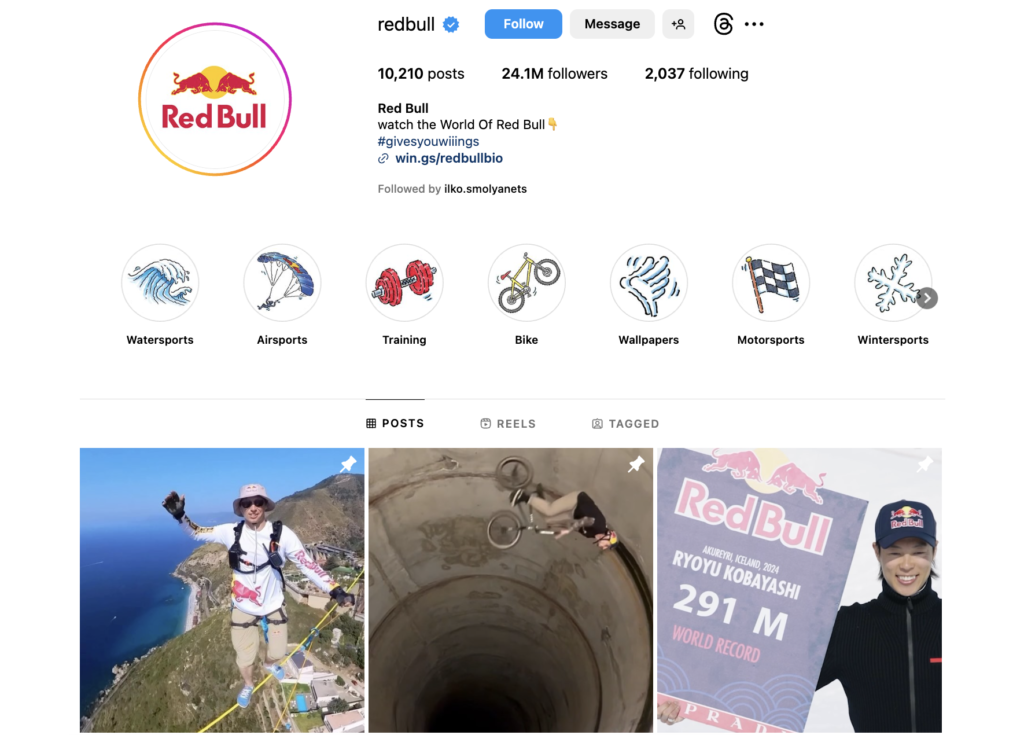
From breathtaking action sports events to compelling documentaries about extreme athletes, Red Bull crafts stories that pulse with energy and excitement, engaging its audience through adrenaline-pumping adventures and innovative digital magazines.
2. HubSpot
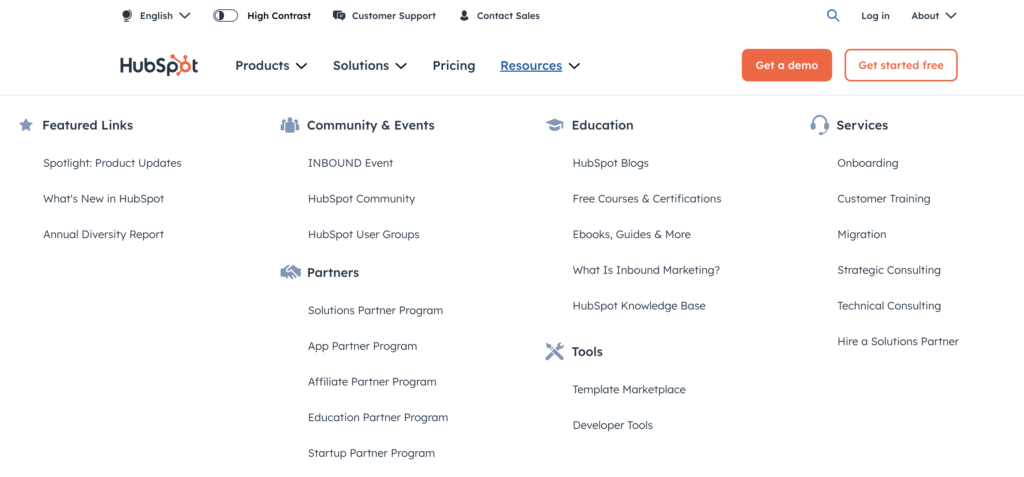
Then there’s HubSpot. It’s like the university of content marketing, offering a wealth of resources that educate and empower businesses.
With its blogs, webinars, and free courses, HubSpot has built a content empire designed to help marketers and sales professionals sharpen their skills.
It’s the go-to source for insights on inbound marketing and sales strategies, demonstrating how educational content can also be engaging.
3. Airbnb
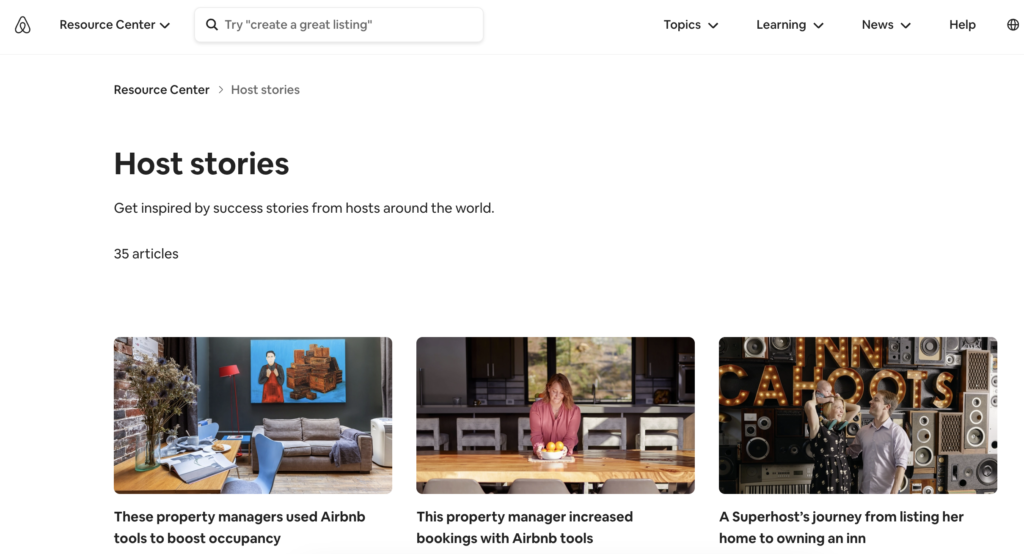
Airbnb is another brand that has masterfully created an engaging content experience, but with a cozy, heartwarming touch.
Through its “Host stories”, the brand shares inspiring tales of hosts and travelers from around the globe.
It’s a brilliant way to showcase the unique experiences Airbnb offers, making you feel like you’re part of a larger, adventurous family.
Each of these brands showcases the power of content that goes beyond promotion to create immersive, engaging experiences.
Be it through the thrill of adventure, the pursuit of knowledge, or the warmth of shared stories, they prove that remarkable content experiences can truly resonate with and captivate an audience.
Bottom Line: Take the Next Step to Level Up Your Content Experience
The message is clear: great content isn’t enough on its own.
What people remember is how that content feels: how easy it is to move through it, how useful it is in the moment, and how much it actually helps them.
Any brand can create that kind of experience. You don’t need a huge team or a massive budget. You need intention. Know who you’re talking to, tell stories that speak to their needs, and keep improving based on what real users are doing and saying.
That’s how you turn content from “something they skim” into “something they stick with.”
And once your content experience hits that level, everything else gets easier: engagement, trust, and the results you actually care about.
FAQs
What is content experience, and why is it important?
Content experience is the way people move through your piece of content: the flow, the clarity, and the feeling they get while reading it. When everything feels smooth and easy, people stay longer, trust you faster, and actually absorb what you’re saying.
How does content experience differ from content marketing?
Think of it this way. Content marketing creates the message. Meanwhile, content experience shapes the environment around it: the parts that feel more like a true customer experience than a simple read.
One tells the story; the other determines if people stick around to hear it. When both align, your content doesn’t just reach people, it lands.
What are the key components of an effective content experience?
It comes down to clarity, structure, relevance, and ease. Add strong visuals, mobile-friendly formatting, a consistent tone, and a clear path from one piece to the next.
When every element feels intentional and supported by solid content management, the experience becomes something people actually want to stay in.
How can businesses improve their content experience to engage users?
Start with a real review of what’s working. Then build a strategy with purpose, create new content that pulls people in, distribute it with intention, and refine based on performance. The goal is a smoother experience that keeps people moving without friction.
How can personalization enhance content experience for different audience segments?
Personalization makes your content feel like it was created for someone specific, not “everyone.” When you create personalized content based on behavior or past interactions, people lean in. It builds trust, boosts engagement, and turns passive readers into returning readers.
How does content experience influence the customer journey and conversion rates?
A clean, well-structured experience keeps people moving from one step to the next. No confusion, no dead ends. And the smoother the journey, the easier it is for someone to take action. Better flow → more trust → higher conversions. It’s that simple.