If you run a fashion brand, you already know this: growth does not come from better products alone anymore.
In reality, it comes from how well you show up online, how fast you adapt, and how clean your digital execution really is.
Digital marketing is where fashion brands win or stall going into 2026. There’s no middle ground.
Discovery happens on social. Search shapes buying decisions. Content builds trust. And when those pieces do not work together, performance drops fast.
That is exactly why many brands are changing how they invest. An industry survey shows that 71% of fashion leaders are shifting budget toward brand marketing, while 46% are still increasing performance spend.
Next, we’ll break down digital marketing for fashion brands in a way that’s easy to apply, while calling out the digital marketing mistakes brands keep repeating.
Let’s begin, shall we?
TL;DR – Digital Marketing Checklist for Fashion Brands
If you want a quick way to see where you stand, this is it:
- Make your website frictionless on mobile and desktop. If people struggle to find products, everything else falls apart.
- Treat social media as a discovery channel, not as a posting routine. Show how products look, fit, and live in the real world.
- Use search to capture demand with intent. Product and category visibility matter more than broad reach.
- Connect content to commerce. Every piece of content should help someone move closer to a decision.
- Start building first-party data early. Email, SMS, and loyalty programs compound over time.
- Work with creators as partners, not placements. Alignment drives sales better than reach.
- Use urgency carefully and only when it is real. Fake scarcity damages trust fast.
- Simplify checkout. Fewer steps and flexible payments increase conversion.
- Let reviews and UGC do the trust-building for you. Social proof shortens the buying cycle.
- Focus on execution. Most digital marketing mistakes come from poor prioritization, not missing tools.
What Is Fashion Marketing in the Digital Era?
Fashion marketing today is shaped by how quickly people discover brands, how visual that discovery is, and how closely brands stay aligned with cultural shifts. Most of that happens online.
For fashion brands, digital marketing directly affects visibility, perception, and sales. If execution feels slow, generic, or disconnected from culture, attention disappears just as fast.
That is why digital marketing for fashion brands requires a different approach.
The challenge is not explaining what you sell. Actually, it is staying relevant while speaking to different audiences at the same time.
How Digital Marketing for Fashion Brands Is Different
Fashion operates under a unique mix of speed, aesthetics, and cultural pressure. These factors define how digital strategies need to work:
- Speed and adaptability: Trends change fast. Seasons overlap. Cultural moments shift quickly. Digital marketing needs to adjust just as fast, without long planning cycles or rigid campaigns.
- Visual storytelling as a baseline: Images and video are not optional. Product visuals, styling, and short-form content do most of the work in capturing attention and setting expectations before any copy is read.
- Exclusivity and controlled scarcity: Limited drops, collaborations, and pop-ups create urgency. Used correctly, they drive attention and action in ways most industries struggle to replicate.
- Cultural and social awareness: Fashion reflects what is happening in the world. Brands that stay aware of social signals, cultural moments, and shifting values stay relatable. Those who miss them feel outdated.
- Audience diversity without brand dilution: Fashion audiences vary widely in age, location, and style preferences. Digital campaigns need to speak to different groups while keeping the brand voice and identity consistent.
When these elements work together, fashion marketing feels natural instead of forced. And that is what keeps brands visible, recognizable, and relevant over time.
5 Benefits of Digital Marketing for Fashion Brands
Digital marketing gives fashion brands leverage. It expands reach, shortens feedback loops, and makes personalization possible without bloated budgets.
When executed well, it supports both brand building and revenue.
Let’s take a look at the benefits that matter most:
Faster brand discovery and reach
Digital channels remove geographic limits. Your products are not tied to a single city, store, or market anymore.
A strong digital presence puts your brand in front of new audiences across regions and platforms, at scale.

Achieve more while spending less
Online marketing is often more affordable than traditional methods like print or TV ads.
Platforms like Instagram and Google Ads help you target the exact audience you want, giving you a much better return on your investment.
This way, your budget goes further while driving results.

Stronger product storytelling and differentiation
Fashion relies on context. Digital marketing gives you space to show how products fit into a lifestyle, not just a catalog.
Visual content, short-form video, and creator partnerships help communicate value faster than static ads ever could.
Better customer data and insights
Every interaction leaves a signal. Campaign performance, product engagement, and on-site behavior show what resonates and what does not.
That feedback helps teams adjust quickly instead of relying on assumptions.
Higher repeat purchases and lifetime value
Personalized experiences make brands feel relevant. Targeted emails, tailored product recommendations, and timely offers keep customers engaged after the first purchase. That consistency drives repeat sales and long-term value.

Digital marketing works best when it stays focused on execution. The goal here? Doing what actually supports growth, retention, and brand clarity.
10 Must-Have Elements of Fashion Marketing in 2026
Fashion marketing in 2026 is about getting a few core pieces right and executing them well.
These are the elements that actually make a difference in day-to-day performance:
1. Modern, Easy-to-Navigate Websites (Effectiveness: 10/10)
Your website does a lot of heavy lifting. Most of the time, it is the first real interaction someone has with your brand.
If people cannot find what they are looking for fast, they leave. It is that simple.
Ease of use matters more than anything else. As noted by HubSpot, 76% of consumers say the most important factor in website design is how easy it is to find what they want. That applies even more to fashion, where people browse, compare, and move quickly.
For fashion brands, this means clear navigation, strong product pages, and a mobile experience that feels effortless.
Collections should be easy to explore. Filters should actually work. Product images should do most of the explaining.
If your site creates friction, every other channel has to work harder. And most of the time, that just means wasted spend.
An example to learn from:

Reserved website is a great example of a well-designed, modern, and easy-to-navigate website for these reasons:
| Design Element | Why It’s Good |
| Minimalistic Design | Clean and uncluttered layout ensures easy focus on key content and reduces cognitive overload for users. |
| Clear Navigation Bar | Simple, organized categories (“Women,” “Men,” “Girls,” etc.) make browsing intuitive for users. |
| Prominent Call-to-Actions (CTAs) | Bold, red buttons (“For Her,” “For Him,” etc.) immediately guide users to relevant sections, enhancing usability. |
| Mobile-Friendly Layout | The responsive design ensures functionality across devices, catering to users who primarily shop on their phones. |
| High-Quality Imagery | Professional visuals enhance the website’s aesthetic appeal and align with a premium brand identity. |
| Focused Highlight on Sales | The bold “SALE” section draws attention, driving user engagement and potential purchases. |
| Accessible Search Bar | Easy-to-spot search functionality at the top simplifies product discovery for users. |
| Ample White Space | Creates a visually balanced interface, improving readability and user comfort. |
| Consistent Branding | The monochromatic theme with red accents reflects a modern, cohesive brand identity. |
| User-Centric Categorization | Categories like “For Her,” “For Him,” “For Girl,” and “For Boy” make navigation personalized and intuitive. |
Suggestions for potential improvement:
- Consider making the “SALE” text slightly more specific (e.g., “Up to 50% Off”) to provide additional clarity about the promotion.
- Adding hover effects to the navigation menu or CTAs could enhance interactivity.
Overall, this website of a fashion brand is an excellent example of modern web design that balances aesthetics with functionality to create a seamless shopping experience.
2. Search Engine Optimization (SEO) (Effectiveness: 9/10)
Search still does a lot of the heavy lifting in fashion. People use it to compare brands, check reviews, and validate decisions before buying.
As noted by digital marketing expert Neil Patel, more than 90% of online experiences start with a search engine. So, if your brand does not show up when someone looks for the products you sell, you are invisible at a critical moment.

SEO for fashion is not about chasing broad keywords. What matters here is showing up for product-specific searches, category pages, collections, and brand-driven queries.
That means clean site structure, fast pages, strong product descriptions, and content that supports buying decisions.
Paid traffic can bring quick wins. SEO builds demand that compounds over time.
📚 Recommended reads:
– Top SEO Agencies for Fashion Companies
3. Active Social Media Presence (Effectiveness: 9/10)
Social media is where fashion discovery happens first.
Instagram still leads the pack. According to WiFi Talents, 72% of fashion brands say it is their most effective platform, and 51% of fashion consumers discover new brands there.
That alone makes social less about posting frequently and more about showing up with intent.

But fashion does not live on one platform:
- TikTok drives trend adoption and fast discovery.
- Pinterest supports inspiration and product planning.
- YouTube helps with longer-form content, styling, and brand storytelling.
So yes, each platform plays a different role in the journey.
People use social channels to browse, compare, and validate. They want to see how products look on real people, how collections fit into a lifestyle, and whether the brand feels current.
4. Social Commerce Integration (Effectiveness: 9/10)
Platforms like Instagram and TikTok are no longer just for discovery. They now sit directly inside the buying flow.
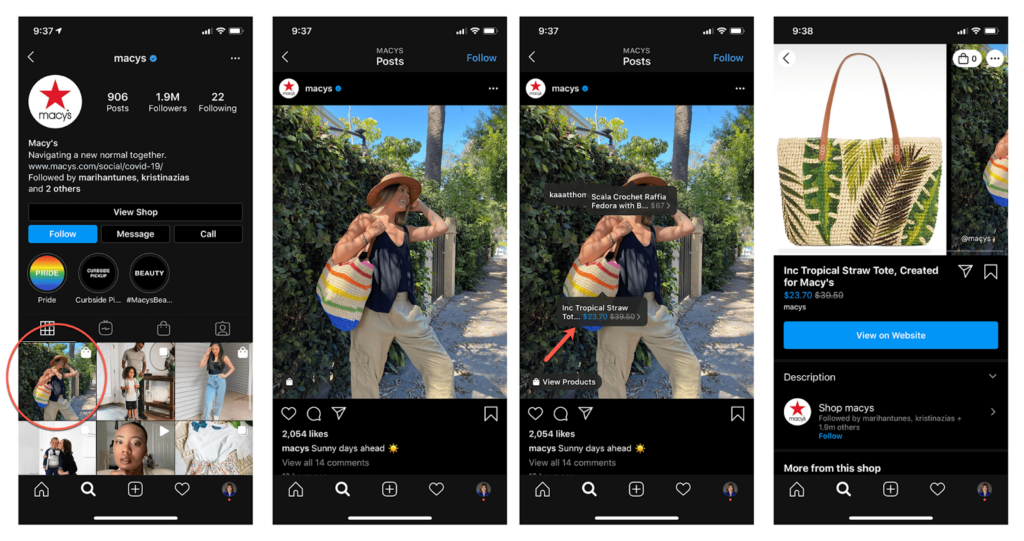
Shoppable posts, in-app checkout, product tags, and live shopping shorten the path from interest to purchase. For fashion brands, that matters. Fewer steps mean fewer drop-offs.
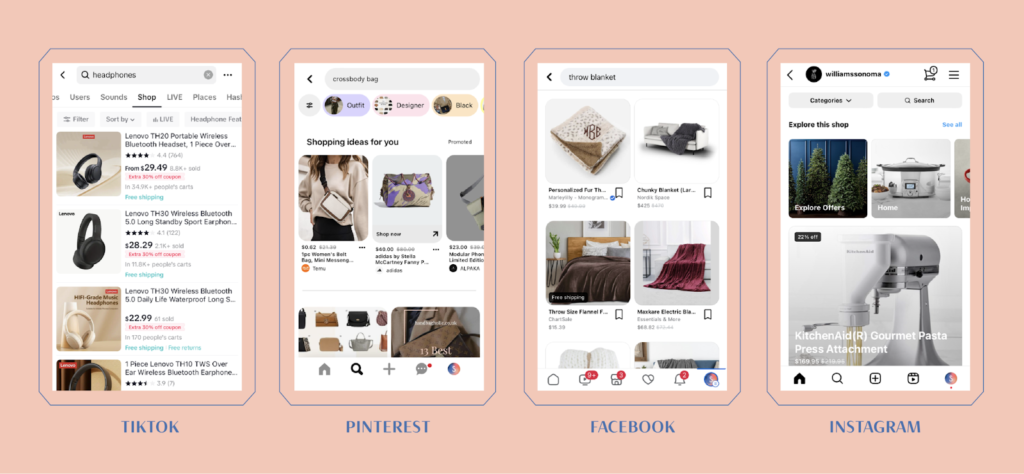
The key is subtlety. Products should be easy to tap, details clear, and checkout smooth, without forcing users to start over on another device.
When commerce fits naturally into the experience, conversion friction drops.
5. Influencer Partnerships (Effectiveness: 8/10)
Influencers still play a key role in fashion, now as trust builders.
The strongest partnerships feel aligned, not forced. Creators who genuinely fit the brand aesthetic and audience tend to drive better engagement and stronger sales impact than broad, one-off collaborations.
Many of these partnerships also give creators room to become fashion influencers in a more meaningful way, not just paid promoters.

For fashion brands, influencer partnerships work best when they support launches, drops, or seasonal moments. Consistency matters more than reach. Long-term relationships usually outperform single posts.
Influencers help translate your brand into something people can see themselves wearing.
6. Email Marketing Campaigns (Effectiveness: 8/10)
Email is not exciting. But it is effective.
For fashion brands, email works best when it feels personal and timely. Generic blasts get ignored. Messages that reflect browsing behavior, past purchases, or upcoming drops get opened.

That difference shows up fast. Emails with personalized subject lines are 50% more likely to be opened. That matters when you are launching collections, restocking bestsellers, or pushing limited runs.
Email is also one of the few channels you fully control. Used well, it supports retention, repeat purchases, and long-term value without depending on algorithms.
7. Content Marketing That Supports Commerce (Effectiveness: 7/10)
Nowadays, fashion content needs to help people decide.
Static ads are no longer enough. Shoppers want to see how products move, fit, and look in real life. That is where video content plays a bigger role.
According to industry data, 46% of consumers want to see product videos before buying, and 66% actually do.
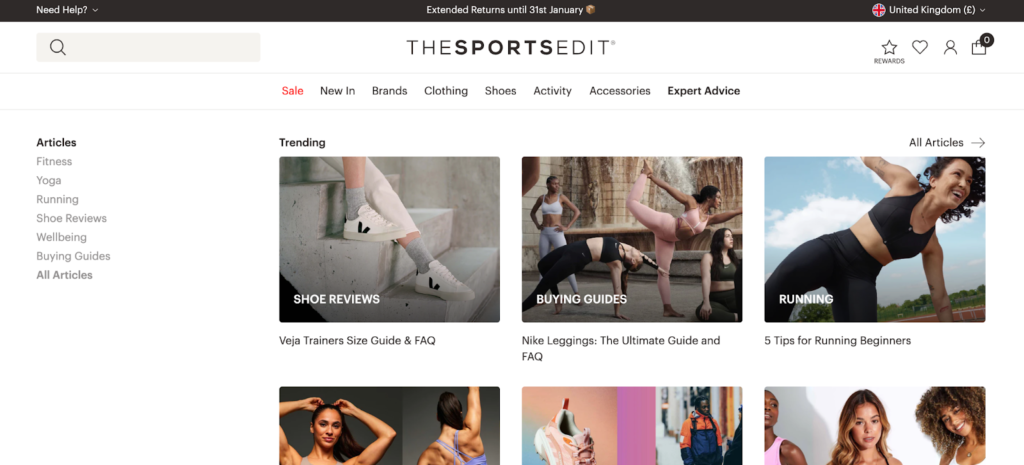
This turns content marketing into part of the buying journey, not something that lives on the side. Styling videos, short-form clips, creator content, and product walkthroughs all reduce hesitation. The closer your content sits to the product, the more impact it has.
Good fashion content does not chase views. It supports conversion.
8. Sustainability Messaging Backed by Proof (Effectiveness: 7/10)
Sustainability matters, especially for younger shoppers. But vague claims do not land anymore.
According to reports, 62% of Gen Z shoppers prefer sustainable brands, and 73% are willing to pay more for sustainable products. That creates opportunity, but only when brands are specific.
Clear sourcing details, transparent production practices, and measurable initiatives build credibility. Sustainability messaging works when it is factual, visible, and consistent.
9. Customer Reviews and Testimonials (Effectiveness: 6/10)
Reviews still influence buying decisions more than most brands expect.
The purchase likelihood for a product with five reviews is 270% higher than for a product with none. On top of that, as noted by WiFi Talents, 83% of fashion consumers say social media reviews influence their purchases.
Reviews reduce uncertainty. They answer questions shoppers do not want to ask directly. That is why some of the best ways to use customer feedback in marketing include featuring reviews on product pages, ads, and social content, right where decisions are made.
Ignoring reviews does not make them irrelevant. It just leaves the narrative open.
10. AR/VR in Fashion as a Conversion Tool (Effectiveness: 6/10)
AR and VR are no longer experiments. They are confidence builders.Virtual try-ons, size previews, and interactive product views help shoppers understand what they are buying.
That matters in fashion, where fit and appearance drive hesitation. Actually, 71% of consumers say they would shop more often if AR were available.

These tools are not required for every brand. But when used intentionally, they reduce returns and improve conversion by helping customers feel more certain before buying.
AR and VR work best when they solve a real problem, not when they exist for novelty.
Key Digital Marketing Trends Fashion Brands Should Prepare for in 2026
Fashion marketing is not standing still. And most of the changes you are seeing are coming from one place: how people discover brands and decide to buy online.
Some trends are noise, while others quietly change expectations. The ones below fall into the second group, and are already shaping how fashion brands grow heading into 2026:
Creator-Led Commerce (Beyond Influencers & UGC)
Creators are no longer just promoting products. In many cases, they are becoming the sales channel.
Instead of one-off posts, creators now run curated storefronts, launch capsule drops, and host shopping sessions that drive direct conversions. The relationship shifts from exposure to shared revenue.
This is especially clear with younger shoppers. Nearly 42% of Gen Z have bought something after watching a haul video on TikTok. That is not brand awareness. That is purchase behavior.
First-Party Data and Privacy-Driven Marketing
As third-party data becomes less reliable, fashion brands are leaning into what they can control.
Email, SMS, loyalty programs, wishlists, gated drops, and style quizzes are no longer add-ons. They are becoming part of the core marketing engine. Not just to collect data, but to understand preferences directly.
What matters here is balance. Personalization works when it feels useful. It backfires when it feels intrusive. Brands that are clear about how data is used tend to earn more trust and longer-term loyalty.
Hyper-Personalization Through AI
Once you have first-party data, AI helps you use it without slowing everything down.
For fashion brands, some of the major applications of AI show up in how quickly they can respond to browsing behavior, past purchases, and engagement signals.
That can shape recommendations, emails, and even how products appear on-site.
The payoff is clear: 80% of customers are more likely to buy when brands offer personalized experiences.
When personalization feels useful instead of intrusive, it earns attention and repeat purchases.
Example to learn from: Gucci uses AI to deliver curated experiences that feel intentional, not generic. That attention to detail supports retention in a crowded market.
Voice Search and Conversational Commerce
Search is becoming more conversational.
Shoppers are asking questions through voice assistants, in-app search bars, and chat interfaces instead of typing short keywords. For fashion brands, this changes how discovery happens.
At the same time, chat-based experiences are being used to guide shoppers through sizing, styling, and post-purchase support.
When done right, these interactions remove friction instead of adding another step.
Advanced Social Commerce and Live Shopping
Social platforms are tightening the gap between interest and checkout.
Shoppable posts, in-app payments, and live shopping sessions make it easier to act in the moment. That matters in fashion, where timing and impulse drive results.
An example to learn from:
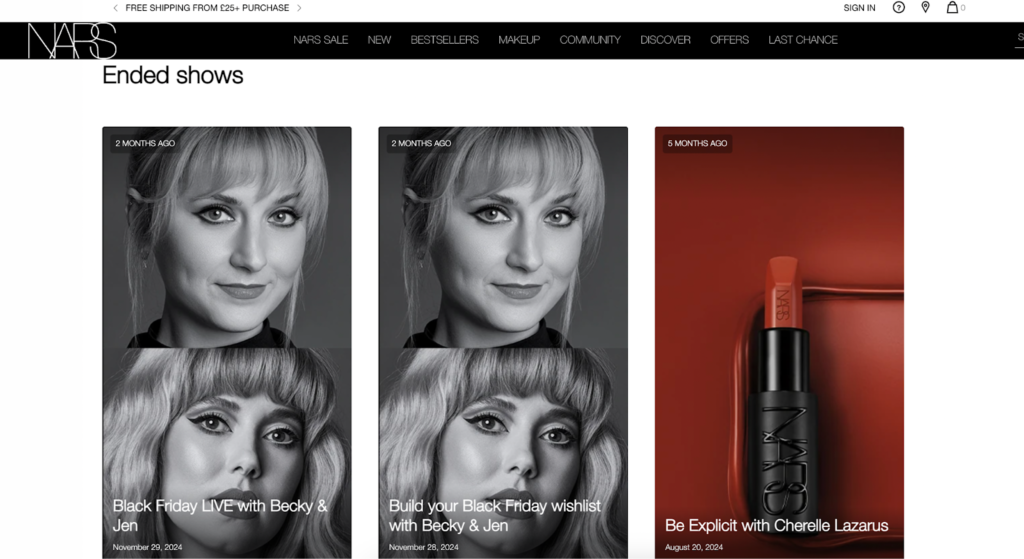
NARS Cosmetics has used live shopping sessions to show products in action while answering questions in real time. The format keeps the experience interactive while moving people toward purchase.
Short-Form Video Content Evolution
Short-form video continues to shape how people discover fashion brands.
Platforms like TikTok, Instagram Reels, and YouTube Shorts make it easier to show products quickly and repeatedly. Styling clips, behind-the-scenes content, and trend-led videos all play a role.
TikTok alone has driven a 43% increase in discovery for new fashion brands among Gen Z users.
When discovery happens this fast, consistency matters more than perfection.
An example to learn from:
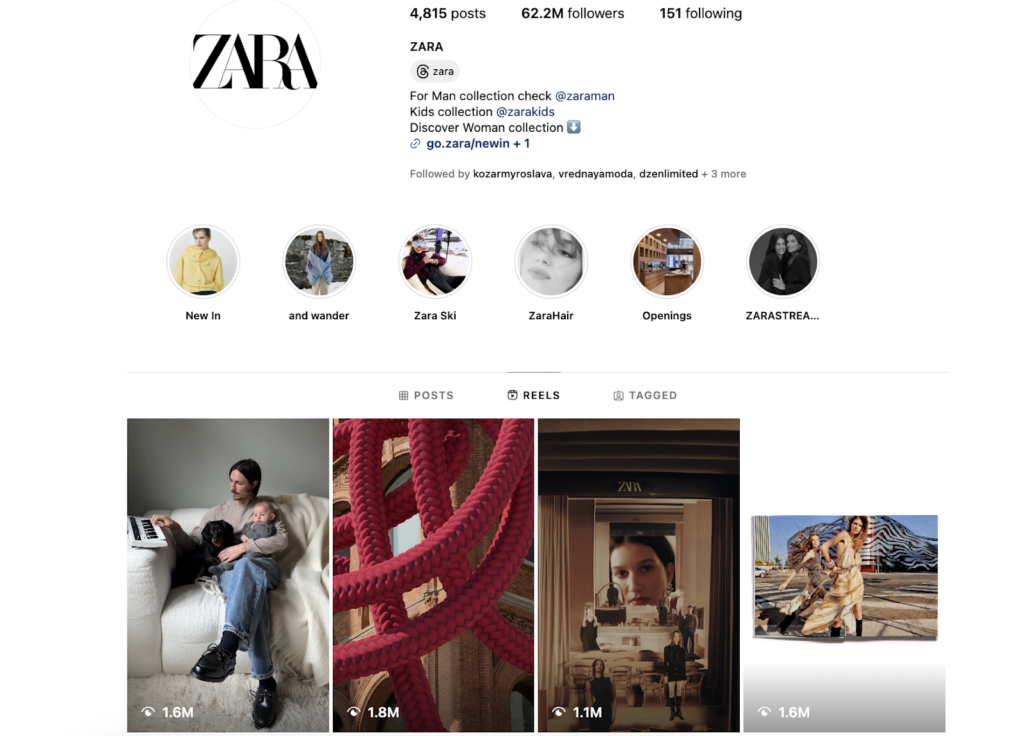
When TikTok faced regional challenges, Zara shifted focus to Instagram Reels. The move kept content visible without disrupting output.
User-Generated Content at Scale
User-generated content (UGC) works because it feels familiar.
Customer photos, videos, and reviews show products in real settings, not studio ones. That helps reduce doubt and builds trust faster than polished campaigns alone.
Brands that see results treat UGC as an ongoing system. They collect it consistently, reuse it across channels, and place it close to the point of purchase.
An example to learn from:
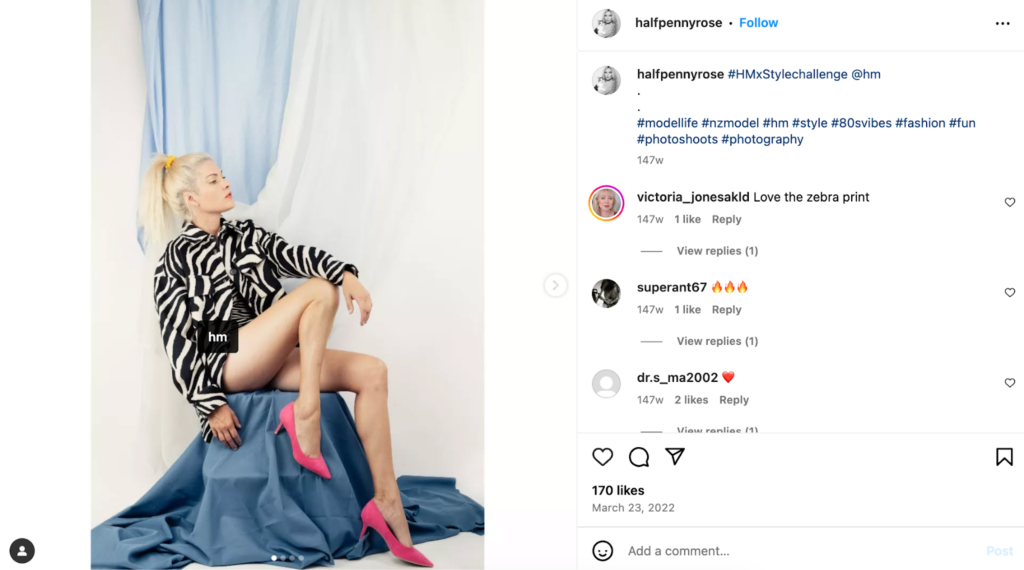
H&M encourages customers to share outfits through branded hashtags, turning everyday buyers into part of the brand experience.
AR/VR Experiences That Drive Confidence and Conversions
AR and VR are moving from novelty to utility.
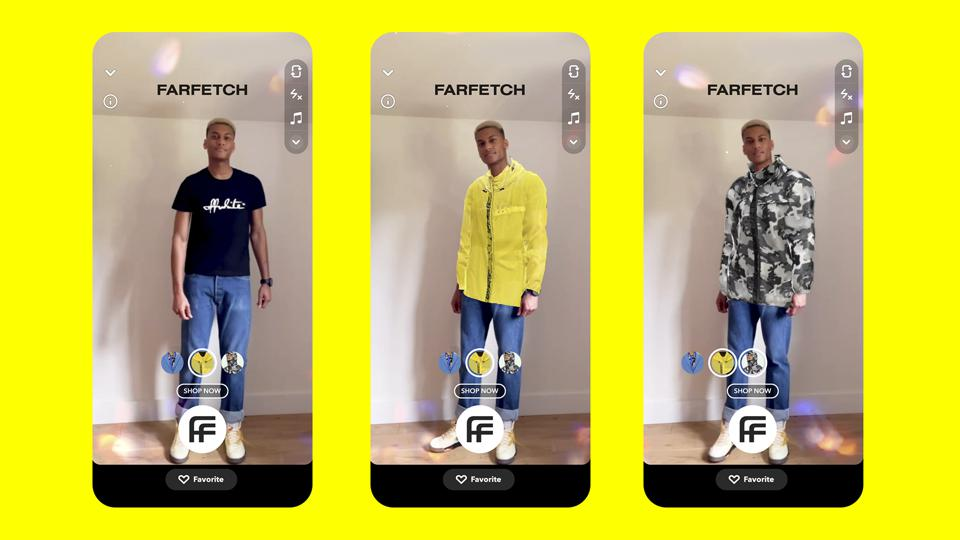
Virtual try-ons, size previews, and interactive product views help shoppers feel more confident before buying. That matters when fit and appearance drive hesitation.
These tools work best when they solve a specific problem, not when they are added for effect.
An example to learn from:
Gucci’s app includes an AR feature for trying on sneakers. This tool makes online shopping fun and helps customers feel confident about their purchases.
Radical Transparency and Sustainability Proof
Sustainability messaging has changed. Broad claims no longer carry weight.
Gen Z shoppers expect specifics. As noted before, 62% prefer sustainable brands, and 73% are willing to pay more for sustainable products. That makes clarity non-negotiable.
An example to learn from:
Veja puts transparency front and center, sharing details about materials and sourcing. That openness helps build long-term trust with values-driven customers.

Anti-Trends in Digital Marketing for Fashion Brands to Avoid in 2026
Not every trend is worth following. Some tactics that worked before now do more harm than good, especially in fashion, where trust and perception matter.
These are the anti-trends that tend to stall growth instead of supporting it:
- Overuse influencers with no brand fit: Mismatched partnerships feel forced and are easy to spot. Focus on top partnership marketing strategies that prioritize alignment and authenticity. Working with legitimate affiliate programs also helps maintain credibility while driving performance-based growth.
- Rely too much on automated customer service: Automation helps with speed, but overusing it frustrates shoppers. People still expect clear, human answers when something goes wrong.
- Ignore mobile optimization: A poor mobile experience kills conversions fast. Most shoppers browse and buy on their phones, and they will not wait around.
- Publish generic or overused content: Recycled trends and low-effort visuals blend into the feed. Original content is what earns attention and recall.
- Run flash sales too often: Constant discounts train customers to wait. Over time, this weakens brand value and margins.
- Chase vanity metrics instead of engagement: Follower count looks good on paper, but engagement and conversion matter more. Smaller, active audiences usually perform better.
- Overcomplicate the shopping experience: Too many steps, pop-ups, or distractions increase cart abandonment. Simple flows convert better.
- Greenwash without real proof: Sustainability claims without substance damage trust. Shoppers expect specifics, not vague promises.
- Spam customers with emails or ads: More messages do not mean better results. Relevance beats volume every time.
- Depend on a single platform: Algorithms change. Reach drops. Diversifying channels protects visibility and demand.
Avoiding these anti-trends frees up time, budget, and focus for strategies that actually support growth.
How to Use Fashion Digital Marketing to Boost Your Sales
If you want digital marketing to drive sales, focus on execution. Urgency, clarity, and timing matter more than clever ideas that never convert.
The steps below are simple on purpose. They work because they remove friction and push decisions forward:
✅ Use FOMO to Drive Immediate Action
FOMO still works, especially in fashion.
Limited stock, short windows, and exclusive access give people a reason to act now instead of later. Clear signals like “Only 5 left” or “Ends tonight” reduce hesitation and speed up decisions.

The key is credibility. If everything feels urgent all the time, nothing does. Use FOMO when it is real, and it will do its job.
✅ Write Product Descriptions That Actually Sell
Your product descriptions should help people picture themselves using or wearing the item.

Skip generic features. Instead, focus on how the product fits into real life. Explain how a dress works for different settings, or why a bag feels different from the rest. Small details matter here.
Strong visuals do part of the work, but clear, well-written descriptions close the gap between interest and purchase.
✅ Build Campaigns Around Moments, Not Just Products
Fashion performs better when it feels tied to something happening.
Virtual styling sessions, live launches, limited drops, or behind-the-scenes moments give people a reason to pay attention. These campaigns feel more human than standard promotions.
You can also experiment with pop-ups, collaborations, or creative activations that break routine. When done well, these moments create recall and conversation, not just clicks.

✅ Remove Friction From the Checkout Process
Most lost sales happen at checkout.
Keep the process short. Make payment options flexible. Digital wallets and buy-now-pay-later options help reduce last-minute doubt.

Free shipping thresholds can lift order value. Cart reminders help recover intent. The goal is simple: make finishing the purchase feel easy.
✅ Turn Loyalty Programs Into Revenue Engines
Loyalty programs work when they reward behavior people already want to repeat.
Early access, exclusive collections, and meaningful perks keep customers coming back. Points alone rarely build loyalty. Access and recognition do.
When customers feel valued, repeat purchases follow. That consistency is what turns one-time buyers into long-term customers.

Digital marketing drives sales when it stays focused on how people actually buy. Keep it simple, remove friction, and give customers clear reasons to act.
Bottom Line: What This All Means for Fashion Brands
If digital marketing feels complicated, it usually means priorities are not clear.
Fashion brands that perform well going into 2026 are not doing more. They are doing fewer things, and doing them better.
The focus is on discovery, trust, and conversion, working together. Anything that looks busy but does not move revenue gets cut.
Also, brand and performance no longer live in separate lanes. The same goes for content and commerce. When these pieces work together, execution becomes clearer and easier to scale.
When the basics are solid, everything else gets easier. For fashion brands, that clarity is what makes digital marketing work instead of feeling like a constant rebuild.
FAQs
How can fashion brands use social media to build community and increase customer loyalty?
Stop treating social like a billboard. Use it like a place where your brand actually lives. A clear social media strategy helps you show real people wearing your products, highlight customers and creators, and stay consistent over time.
That is how you build brand familiarity and strengthen customer engagement without forcing it.
How do fashion brands measure the ROI of digital marketing campaigns?
By looking past surface metrics. Likes and views are signals, not results. What matters is how well your efforts optimize conversions, repeat purchases, and lifetime value inside your fashion business. If a channel brings customers back, it is doing its job.
How do influencer partnerships actually drive revenue for fashion brands?
Revenue comes from fit, not follower count. Creators who match your aesthetic and speak to the right target audience tend to move apparel more consistently than broad, one-off promotions. Long-term partnerships usually outperform short campaigns.
What is the most effective digital marketing strategy for online fashion brands going into 2026?
The one that stays focused. In the fashion industry, brands that align brand, performance, and commerce see better results. That includes using social media marketing as a discovery and validation channel, not just a place to post content.