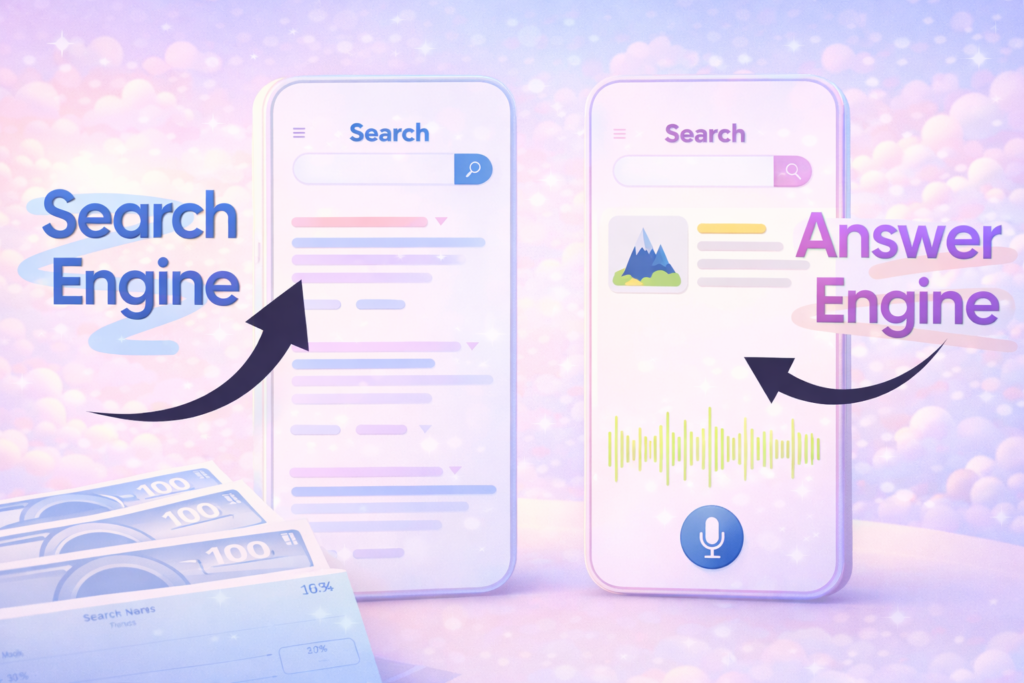
In 2025 and beyond, brands find themselves contending with a new kind of search technology: answer engines.
Unlike traditional search engines that list pages of links, answer engines deliver direct responses to user queries, reshaping how consumers seek information and driving fresh opportunities for businesses.
This shift is monumental, and understanding how to navigate it is essential for brands aiming to maintain visibility and relevance.
Understanding Answer Engines
Answer engines leverage artificial intelligence and natural language processing to provide precise answers.
When users ask a question, these engines dispense targeted information swiftly, often pulled from multiple sources.
The best-known examples include Google’s featured snippets, voice assistants like Siri and Alexa, and advanced search functionalities within specific websites.
Why This Matters
The implications for brands are significant. As consumers increasingly prefer instant information, traditional SEO strategies may not suffice.
Brands must adapt to this new format by focusing on content that directly addresses user needs, optimizing for voice search and natural language queries.
To truly thrive in this environment, consider strategies that help brands rank in emerging search formats.
This includes understanding how answer engines function and fine-tuning site content to align with these platforms.
A tailored approach can be crucial for visibility in an age where instant answers are the norm.
The Mechanics of Answer Engines
At their core, answer engines operate by parsing user queries and delivering results based on relevance, authority, and conciseness.
Key mechanisms supporting this functionality include:
• Natural Language Processing (NLP): This allows engines to decode user intent, offering smart responses that go beyond mere keyword matching.
• Knowledge Graphs: Brands can leverage structured data to appear in answer snippets for relevant questions. Search engines use these graphs to display concise facts and figures effectively.
• User Engagement Metrics: Answer engines utilise analytics to refine their offerings. Tracking user interaction can reveal how well the engine is meeting consumer needs.
Adapting Content Strategies
To thrive amidst these changes, brands must pivot towards content strategies that prioritise clarity and directness.
Consider these essential practices:
• Provide Clear Answers: Craft content that directly addresses common questions in your field. A well-structured FAQ section or tailored blog posts can serve as valuable resources.
• Utilise Structured Data: Implementing schema markup can enhance the visibility of your content in answer formats. This markup serves to help search engines understand the context of your content.
• Optimize for Voice Search: As voice queries often differ from text-based searches, consider how your audience phrases questions. Content that mimics natural speech patterns will have an edge in answering these queries.
• Monitor AI-Driven Brand Representation: Pay attention to how your brand appears in AI-generated answers and other emerging answer formats. Observing visibility, sentiment, and messaging with SE Visible can highlight gaps and guide updates, ensuring your content delivers clear, consistent answers across channels.
The Role of User Experience
User experience (UX) plays a critical role in progressing with answer engines. A website that is user-friendly promotes better engagement, which answer engines frequently consider when deciding what to display.
• Quality Design and Navigation: A clean, easy-to-navigate site encourages users to find information quickly. If users struggle to locate answers, they are likely to leave, diminishing your site’s authority.
• Mobile-First Approach: Given the rise in mobile usage, ensuring content is mobile-optimised is essential. Mobile-friendly sites are more likely to be favoured by answer engines, particularly for voice searches.
• Content Performance Monitoring: Regularly reviewing how your content performs in response to user queries helps refine your strategy.
Keep an eye on metrics such as click-through rates and time spent on the page to understand what resonates.
Staying Ahead of the Curve
Brands looking to maintain a competitive edge must stay informed about the evolution of answer engines. Trends to watch include:
• Greater Integration of AI: As artificial intelligence continues advancing, answer engines will likely become even more adept at understanding complex queries, leading to more contextual and relevant results.
• Evolving User Expectations: Consumers increasingly expect not just quick answers but comprehensive insights. Brands should consider crafting content that provides depth while still being concise.
• The Importance of Authenticity: Consumers are more discerning than ever. They favour brands that provide transparent and reliable information. Establishing authority through expert contributions and credible sources can foster trust.
Conclusion: The Future of Search
The emergence of answer engines marks a significant turning point in the search paradigm. Brands that adapt to these changes have the potential to enhance their visibility and connect more authentically with consumers.
By focusing on clarity, user experience, and strategic content development, businesses can not only keep pace but potentially thrive in this new landscape.
In this evolving digital age, brands that embrace these strategies will be better positioned to engage their audience, ensuring they remain atop search results even as technology advances.
Keeping sight of how the landscape changes and thinking proactively about how to capitalise on these developments can have substantial benefits.
As this trend continues to grow, the savvy marketer will be the one who prioritises adaptation and innovation to maximise opportunities within answer engines.