Patients are not finding healthcare providers at the front desk anymore. They are finding them online.
They search, compare options, read reviews, and look for answers before making a move. Actually, over 70% of patients research healthcare information online before booking an appointment.
So yes, long before a call happens, opinions are already forming.
That is why healthcare digital marketing now plays a much bigger role than many teams expect. It shapes who shows up, who feels trustworthy, and who patients reach out to first.
And in 2026, being hard to find or unclear online will quietly push patients elsewhere.
Next, we’ll break down what healthcare digital marketing looks like today and where teams should focus to stay competitive. Let’s begin, shall we?
TL;DR
- Healthcare decisions now start online, not at the front desk. Patients search, compare, and form opinions long before they book or call.
- Healthcare digital marketing works when it makes those early moments clear, calm, and easy to move through.
- Search, websites, content, social, email, and paid ads all shape the same experience. When they feel disconnected, engagement drops quietly.
- The biggest gains come from removing friction: clearer information, simpler booking flows, faster pages, and better follow-ups.
- Personalization matters, but only when it feels useful and respectful of privacy. Overdoing it breaks trust fast.
- SEO, local visibility, and content that answers real questions help patients find you earlier and trust you sooner.
- Tools like CRM, automation, and compliant systems help teams manage journeys without adding complexity.
- The teams performing best heading into 2026 focus less on adding channels and more on fixing where journeys stall or break.
What Is Healthcare Digital Marketing (and Why It Matters in 2026)
Healthcare digital marketing is how healthcare actually shows up online. It’s what people run into when they search for answers, compare options, or try to figure out what to do next.
Sometimes that’s clinical information. Some other times it’s very practical details, like the Life Alert cost for Canadians. Either way, those moments shape decisions faster than most teams realise.
And that’s the real shift heading into 2026. Opinions form early. Very early. Long before a call, a form fill, or an appointment. A few minutes online is enough for someone to decide if they trust what they’re seeing or if they move on.
That experience isn’t one channel. It’s search results, websites, social posts, emails… all adding up. When those pieces feel disconnected, outdated, or hard to follow, engagement drops. Quietly.
The goal isn’t to reduce friction; make it easier to understand, easier to act, and easier to keep going.
For providers, getting this right avoids a lot of common digital missteps. More importantly, it creates trust that feels earned, engagement that doesn’t fall apart, and digital experiences that hold together from one touchpoint to the next.
The 4 Biggest Benefits of Healthcare Digital Marketing
If you work in healthcare, you already know this: getting patients’ attention is harder than it used to be. Not because demand disappeared, but because expectations changed.
This is where digital marketing starts to pay off in healthcare:
Improved Patient Access Across Digital Touchpoints
Patients rarely wait to be told where to go. They look it up themselves.
As noted earlier, over 70% of patients research healthcare information online before booking an appointment. That means access now starts on screens, not at reception desks.

Patients want quick answers, clear options, and an easy next step. When they cannot find that, they keep looking elsewhere.
Clear service pages, simple booking flows, and visible telemedicine options help remove hesitation. You are not pushing patients. You are making it easier for them to move forward.
More Precise Audience Targeting (Without Crossing Privacy Lines)
Healthcare marketing works best when it feels relevant.
Digital channels let you show up in moments where patients already signal intent. Someone searching for care nearby or reading about a specific service is telling you what they need. Your job is to respond, not guess.
This kind of targeting keeps messaging focused without crossing privacy lines. Patients see information that fits their situation. You avoid spending budget on people who were never going to convert.

Cost-Effective Growth That Scales With Demand
Budgets matter. Flexibility matters even more.That is why digital channels now dominate healthcare advertising.
Actually, 72.2% of total media ad spending in the healthcare and pharma industry goes to digital ads. That means teams want control over spend and performance.

When demand increases, campaigns can scale quickly. And when things slow down, spending can be adjusted just as fast. You are not locked into long commitments or fixed placements that no longer make sense.
Smarter, Data-Driven Decisions
Digital marketing gives you visibility you do not get elsewhere.
You can see what patients click, what content they engage with, and where interest drops off. That feedback makes it easier to focus on what actually drives conversations and bookings.

Example
This is also why more healthcare teams are investing in smarter tools. Those help manage volume, respond faster, and keep communication consistent.
Over time, decisions improve because they are based on real patient behavior, not assumptions.
How to Build a Healthcare Digital Marketing Strategy: 13 Practical Steps
A solid healthcare digital marketing strategy does not start with tools or channels. It starts with clarity.
These steps break the process down into manageable decisions:
Step 1: Set Clear, Measurable Digital Marketing Goals
To build an effective healthcare digital marketing strategy, start by defining clear goals that align with your organization’s mission and patient needs.

Each goal should have specific, measurable KPIs to track progress and ensure that your efforts are making an impact.
Here’s a look at some essential digital marketing goals in healthcare, along with the KPIs to measure them and the benefits they bring to your organization.
| Digital Marketing Goal | KPIs | Benefits |
|---|---|---|
| Patient Acquisition | Patient Acquisition Cost, Conversion Rate, New Patient Count | Expands patient base and helps track the efficiency of acquisition efforts |
| Brand Awareness | Social Media Reach, Website Traffic, Brand Mentions, Search Engine Ranking | Builds brand reputation and visibility in the healthcare market |
| Patient Retention | Patient Retention Rate, Frequency of Visits, Lifetime Patient Value | Improves patient loyalty and lifetime value by fostering ongoing relationships |
| Patient Engagement | Engagement Rate, Content Shares, Email Open Rate, Time Spent on Website | Increases active patient participation in their healthcare journey |
| Operational Efficiency | Average Wait Time, No-Show and Cancellation Rates, Utilization Rates | Enhances clinic efficiency, reduces patient wait times, and improves service delivery |
| Community Outreach | Health Awareness Metrics, Community Event Attendance, Partnership Development | Strengthens ties with the community and supports health education initiatives |
Setting these goals will help you stay focused, data-driven, and adaptable as you reach, engage, and retain patients more effectively.
Step 2: Understand and Segment Your Patient Audience
Understanding who your patients are is key to reaching them effectively.
So, start by pinpointing specific demographics, like age, gender, location, and income level.

Knowing these details helps you tailor your messages to the right audience, whether it’s younger patients looking for preventive care or seniors seeking chronic illness management.
But demographics alone aren’t enough. You also should:
- Identify the common health issues your audience faces. For example, a pediatric clinic would focus on children’s health needs, while a cardiology practice targets those with heart-related concerns.
- Consider how patients prefer to engage. Some may like receiving health tips via email, while others respond better to social media content. To help engage younger patients, conversation starters for kids can make interactions more comfortable and enjoyable.
Using data insights from patient records, surveys, and website interactions allows you to segment these audiences precisely.
This segmentation means you can send highly relevant information to each group, boosting engagement and improving health outcomes.
Step 3: Design a User-Centric, Accessible Healthcare Website
A healthcare website is not just a place to exist online. It is where patients go to get clarity, book appointments, and decide whether they trust you enough to take the next step.
If the experience feels slow, confusing, or hard to use, most patients will not push through. They will leave.
That is why a user-centric website matters. It removes friction and respects the patient’s time.
So, focus on these areas:
- Mobile Optimization
Many patients search for healthcare services on their phones. If your site does not work well on mobile, you lose them early.
Mobile optimization means layouts that adapt to any screen size, readable text without zooming, and buttons that are easy to tap.
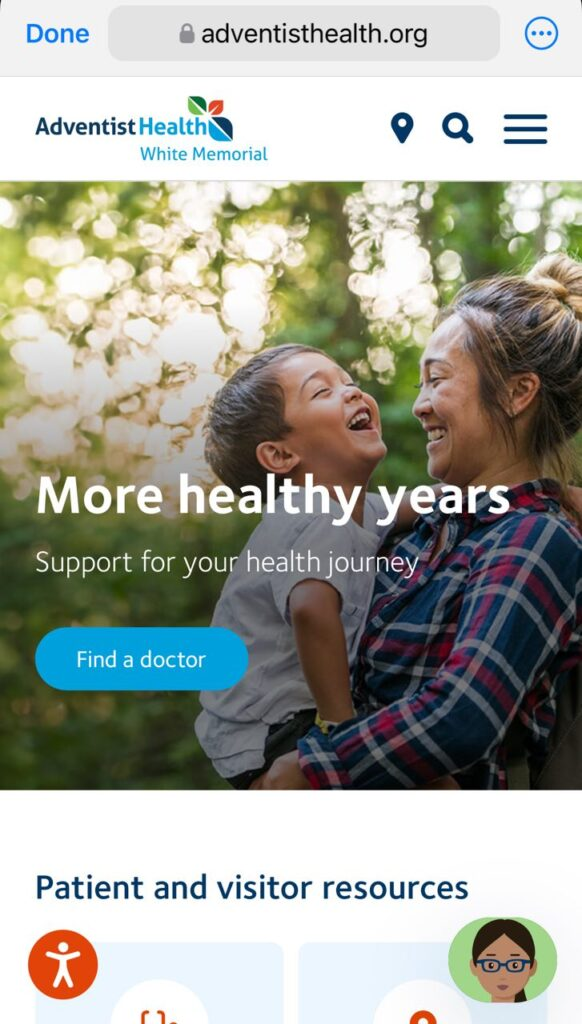
These details should also be kept in mind:
- Navigation should feel natural, not cramped.
- Forms deserve extra attention.
- Appointment requests and inquiries should be short and easy to complete on a small screen.
- Autofill, larger fields, and simple layouts go a long way.
- Click-to-call should work without friction.
- Maps and directions should be easy to access, especially for first-time visitors.
When mobile works well, patients spend less time struggling and more time moving forward.
- Fast Load Times
In healthcare, patience runs thin quickly. Slow pages cost attention and trust.
Aim for pages that load in under two seconds. Faster sites keep patients engaged and also support better visibility in search results.
🛠 Recommended Toolkit:
To check your site’s speed, use free tools like Google PageSpeed Insights and GTmetrix. These tools show what slows your site down, from image sizes to server response times, and point to specific fixes.
- User-Friendly Navigation
Patients should not have to hunt for basic information.
Contact details, services, and booking options should be easy to find within a few clicks. Clear headings and a simple menu structure help patients move through your site without second-guessing.
Good navigation reduces frustration and keeps users focused on what matters.

Example of a website with good navigation
- Accessibility for All
Healthcare websites should work for everyone, including patients with disabilities.
This means adding alt text to images, supporting keyboard navigation, and ensuring compatibility with screen readers. Accessibility improves usability across the board, not just for a small group of users.
It also expands reach and shows that the patient’s needs come first.

🛠 Recommended Toolkit:
To support accessibility, tools like AudioEye, AccessiBe, or UserWay can help. These platforms handle basics like screen reader support, keyboard navigation, and contrast, while helping teams stay compliant over time.
Step 4: Optimize for Healthcare SEO and Local Search
Search is still one of the main ways patients find care.
In fact, 65% of people turn to Google before seeking advice from a doctor or other healthcare professional. That makes SEO for doctors and clinics a core part of patient acquisition, not a “nice extra.”
With more than 7% of daily Google searches being healthcare-related (as reported by Promodo), visibility matters. If your practice does not show up when patients are actively looking for answers, someone else will.
Here is how to approach search engine optimization (SEO) in a way that supports both visibility and trust:
– Keyword Strategy
SEO starts with understanding how patients search.
Focus on high-intent, practical keywords like “primary care in [your city]” or “pediatric care near me.” These reflect real needs, not marketing language. The goal is to match how patients actually phrase their searches.

Once you identify those terms, use them naturally across your site. Page titles, headers, meta descriptions, and main content should all support the same intent. Also, avoid stuffing keywords; clarity matters more than volume.
Dedicated pages for specific services or locations also help. They improve local relevance and make it easier for search engines to understand who you serve and where.
🛠 Recommended Toolkit:
Tools like Google Keyword Planner, Ahrefs, and SEMrush help uncover search volume, competition, and related terms. Google Keyword Planner works well as a starting point, while Ahrefs and SEMrush provide deeper insights and competitive analysis.
– Health-Focused Content
Patients search for answers before they search for providers.
Educational content plays a big role here. Blog posts, FAQs, and condition-specific pages help address common questions and concerns early in the decision process.
This kind of content does more than attract traffic. It builds credibility. When patients find clear, helpful information on your site, trust starts forming before any direct interaction.
– On-Page Optimization
On-page SEO makes sure each page sends clear signals to both users and search engines.
Start with the basics. Page titles, meta descriptions, and headers should be concise and relevant. They should explain what the page offers, not just repeat keywords.
Alt text for images improves accessibility and helps search engines understand visual content. URLs should stay short, readable, and aligned with page topics.
A clean site structure also matters. When pages are easy to navigate, patients stay longer, and search engines crawl your site more efficiently.
– Off-Page Optimization
Off-page SEO focuses on how your practice is represented beyond your own website.
High-quality backlinks from reputable health directories, local listings, and healthcare publications help reinforce authority. Social engagement can also drive qualified traffic and increase visibility.
These signals help position your practice as a trusted local option, not just another listing.
– Local SEO
Local intent drives a large share of healthcare searches.
This is why SEO is the top digital marketing tactic used by healthcare providers. According to WiFi Talents, 44% of healthcare marketers prioritize local SEO to attract nearby patients.
So, make sure your location, contact details, and hours are accurate across your website. Also, claim and optimize your Google Business Profile to improve visibility in local results and maps.
Consistency across listings builds trust with both search engines and patients.

– Online Reviews
Reviews play a direct role in local visibility and patient trust.
Encourage satisfied patients to leave reviews on platforms they already use, such as Google or Facebook. Positive reviews strengthen credibility and support local search performance.
Healthcare-specific platforms also matter:
- Healthgrades: Provide reviews focused on patient satisfaction, quality of care, and facilities.
- Vitals: Offers insights into patient experience, wait times, and overall satisfaction.
- RateMDs: Shares feedback on care quality, staff interactions, and cleanliness.
- Yelp: Widely used for local services, including clinics and hospitals.
- Google Business Profile: A key driver of local visibility and trust.
- U.S. News & World Report’s Best Hospitals: Includes patient satisfaction data.
- Zocdoc: Combines appointment booking with patient reviews
Managing reviews across these platforms helps build confidence and supports stronger local search rankings over time.
When SEO and local search work together, patients find you earlier, trust you faster, and reach out with clearer intent. That sets up every other digital channel for better results.
Step 5: Create Content That Educates, Builds Trust, and Converts
Content is often the first real interaction patients have with your brand. Before they book, call, or ask a question, they read, watch, or skim something you published.
When content is clear and useful, patients feel more confident. When it is vague or generic, trust drops quickly.
Here is how to build a content strategy that actually supports patient decisions:
1. Create Valuable Content
Start with the questions patients already have.
High-quality content focuses on real concerns, not marketing language. Clear explanations around symptoms, conditions, or preventive care help patients make sense of what they are experiencing.

💡 For example, a blog post titled “Understanding the Signs of Seasonal Allergies” helps patients tell the difference between allergy symptoms and a cold. That kind of clarity is useful and timely, which is exactly what patients look for.
2. Use a Mix of Blogs, Articles, and Videos
Different patients prefer different formats. Relying on just one limits reach.
Written content works well for deeper explanations. An article like “The Benefits of Regular Heart Check-ups” allows patients to understand why something matters, not just what it is. Video adds another layer.
A short series such as “5-Minute Stretches for Lower Back Pain” shows patients how to take action right away. Visual guidance often feels more approachable, especially for everyday health topics.

📚 Check our relevant guides:
– Guide to Creating Impactful Brand Videos
– How to Create Engaging Video Content
3. Incorporate Visual and Interactive Content
Visual and interactive formats help information stick and improve the overall content experience. Infographics can simplify complex topics.
For instance, “The Benefits of a Balanced Diet” becomes easier to understand when nutrients and outcomes are shown visually.

Interactive elements increase engagement even more. A short quiz like “What’s Your Ideal Sleep Routine?” invites participation and offers personalized feedback, which keeps patients involved longer.
4. Educate and Empower
Good healthcare content does more than inform. It helps patients feel more in control.
Tools like a downloadable “Weekly Health Tracker” encourage patients to monitor habits such as steps, hydration, and sleep. These small actions build consistency and awareness.
Educational resources like this strengthen trust over time. Patients are more likely to return, engage, and follow through when content supports real-life decisions.
📚 Check our relevant guides:
– Content Marketing for Nonprofits
– Top Healthcare Content Marketing Agencies
When content answers real questions and supports patient confidence, it does more than attract traffic. It helps build long-term engagement and positions your brand as a reliable source that patients come back to.
Step 6: Use Social Media to Build Credibility and Patient Relationships
Social media is often where patients get a first feel for a healthcare brand. Not from ads, but from everyday content that shows how you communicate, what you prioritize, and how approachable you are.
That is why 75% of healthcare marketers consider social media essential for brand awareness, as reported by WiFi Talents. It plays a real role in how patients perceive trust and credibility.
Here is how to use it well:
- Educational posts: Share practical health tips and preventive care content that patients can actually use. Posts like “5 Simple Steps to Improve Heart Health” show that you care beyond appointments and billing.
- Success stories: Patient stories help humanize care. With proper consent, sharing real journeys builds confidence and relatability. A short story about someone recovering through physical therapy or managing a chronic condition makes outcomes feel tangible.
- Visual content on Instagram: Infographics, short explainer videos, or behind-the-scenes clinic photos help patients connect faces and context to your services. These formats work especially well for simplifying everyday health topics.
- Q&A sessions on Facebook: Live sessions and in-depth posts create direct interaction. Answering common questions openly helps reduce uncertainty and shows that your team is willing to engage, not hide behind generic messaging.
When social content focuses on education and community, it strengthens loyalty and keeps patients engaged between visits. Over time, that consistency builds trust where it matters most.
🛠 Recommended Toolkit:
To track social media performance, tools like Hootsuite and Sprout Social help monitor engagement, follower growth, and post performance across platforms. Facebook Insights and Instagram Analytics provide built-in data on reach, demographics, and engagement. For deeper analysis, Brandwatch can help track brand mentions and sentiment to understand how patients perceive your presence.
Step 7: Integrate Telemedicine Into the Digital Patient Journey
Adding telemedicine to your patient engagement efforts is a key part of modern healthcare marketing, making care more accessible and patient-friendly.
Highlight the convenience of virtual visits, where patients can consult with healthcare providers from the comfort of their homes.
For those unfamiliar with the process, explaining what a telehealth appointment is can help patients understand how easy and effective virtual consultations can be.

This flexibility is especially appealing to patients with busy schedules, mobility challenges, or those living in remote areas.
Also, educate patients on the benefits of telemedicine. Those should include reduced wait times, easier access to specialists, and the ability to receive quality care without travel.
Lastly, address any privacy concerns by emphasizing that all virtual consultations are HIPAA-compliant and conducted over secure connections. That helps to build trust and encourages adoption.
Step 8: Use Paid Ads to Reach the Right Patients at the Right Time
Paid advertising works in healthcare for one simple reason: it captures intent.
Patients are already searching for care. Paid ads help you show up at that exact moment, instead of hoping they eventually find you.
This is especially true for search. As Promodo reported, paid search ads are the most convertible ad format in healthcare, with an average conversion rate of 2.6%, higher than display and social ads.
When done well, paid ads do not just drive traffic. They drive real inquiries.
If you want a quick sense of how healthcare brands approach messaging and visuals today, Meta Ad Library tools are useful for reviewing active campaigns across platforms.
Different channels support different goals. Some are built for urgency, others for awareness or education.
The table below shows how paid advertising is typically used in healthcare and where each channel fits best:
| Type of Paid Advertising | Use Case in Healthcare | Campaign Example |
|---|---|---|
| Google Search Ads | Target patients actively searching for healthcare services or specific conditions, such as ‘urgent care near me’ or ‘pediatrician in [location]’ | Run ads targeting phrases like ’emergency dentist near me’ to capture urgent care patients seeking immediate services |
| Google Display Ads | Promote services to potential patients while they browse websites, great for brand awareness or highlighting special services | Display ad campaigns promoting seasonal health checkups or new services, like flu vaccinations, to increase community awareness |
| Facebook Ads | Engage specific demographics, such as young parents or seniors, with health tips, wellness programs, or community event promotions | Create a campaign targeting parents with posts about child wellness tips and upcoming pediatric screenings |
| Instagram Ads | Showcase visually engaging content, such as success stories or healthcare tips, ideal for reaching patients seeking lifestyle and wellness information | Use visually appealing ads showcasing patient testimonials or ‘Healthy Living Tips’ series to engage patients interested in wellness |
| YouTube Ads | Deliver educational content or patient testimonials, good for raising awareness on specialized services or complex health topics | Share educational videos on disease prevention, patient success stories, or explain complex health conditions to raise awareness |
| LinkedIn Ads | Connect with healthcare professionals for recruitment, B2B services, or promoting industry-specific healthcare webinars and events | Promote healthcare industry webinars or advertise job openings targeting healthcare professionals or specialists |
Choosing the right mix matters, but channel selection is only part of the equation.
How campaigns are targeted and managed makes the real difference:
Reach Patients Where They Are
Targeting keeps paid ads efficient.
Campaigns can focus on location, demographics, or specific services. Pediatric ads can reach parents nearby. Specialty care ads can focus on patients already researching specific conditions.
This keeps messaging relevant and reduces wasted spend.

Set a Budget and Track Performance
Paid ads only work when performance stays visible.
Clear budgets help control costs. Tracking metrics like click-through rate, cost-per-click, and conversions shows what is actually driving patient action.

That focus pays off: 33% of healthcare providers report increasing phone conversion rates by 25% or more through targeted digital campaigns.
So yes, small optimizations often make a measurable difference.
📚 Check our relevant guides:
– Top PPC Agencies in Manchester
– Top PPC Agencies in Birmingham
Step 9: Strengthen Retention With Email and Patient Follow-Ups
If you are honest, email is probably one of those channels you know matters but rarely feels exciting to manage.
In healthcare, though, email fills an important gap. It keeps patients informed and supported between visits.
Here is where email makes the biggest difference:
- Share health tips that actually help: Simple, timely advice works best. Seasonal reminders, preventive tips, or short wellness notes show patients you are thinking about their health outside the exam room.
- Use reminders to reduce no-shows: Appointment reminders are practical, not promotional. They save your team time and help patients stay on track with their care.
- Follow up after visits: A short message with recovery tips, medication notes, or trusted resources reassures patients once they are back home.
- Personalize where it adds value: Past visits and patient history can guide follow-ups. Screening reminders or care suggestions tied to previous appointments feel thoughtful, not automated.
These targeted email strategies help you stay present without overwhelming patients. Email becomes part of care continuity, not just another marketing channel.
Step 10: Personalize the Experience Using Patient Data (Responsibly)
Patients can tell when communication is generic. They can also tell when it feels intrusive.
The difference comes down to how data is used. When handled responsibly, it helps interactions feel relevant and timely.
Here is how personalization adds value in practice:
- Make recommendations feel timely: Someone managing asthma benefits from seasonal reminders. Older patients may appreciate heart health guidance.
- Let past visits guide follow-ups: If someone recently saw a dermatologist, future messages should reflect that instead of defaulting to generic reminders.
- Match content to real needs: Educational resources land better when they reflect what patients are dealing with now, not what fits a generic plan.
- Support better care decisions: Data helps teams spot patterns and adjust recommendations without making patients repeat themselves.
When personalization is done right, patients feel understood. That trust supports stronger engagement over time.
Step 11: Implement CRM and Automation for Patient Journey Management
As soon as patient communication spreads across multiple channels, things get hard to track.
CRM platforms help bring structure back by centralizing interactions, preferences, and history in one place.
Automation then helps reduce manual work by handling routine touchpoints consistently:
- Appointment scheduling and reminders.
- Follow-up messages after visits.
- Educational updates based on care stage.
CRM data also helps flag gaps in care, such as missed screenings or overdue checkups, making it easier to follow up without adding pressure.
When CRM and automation work together, patient journeys feel smoother, and teams regain time to focus on care.
Step 12: Ensure Compliance with Privacy Regulations
Trust breaks fast when patient data is mishandled.
Privacy regulations like HIPAA set clear expectations around how data should be accessed, stored, and shared. Meeting those standards protects patients and your organization.
This is where solid systems matter. Many teams rely on insurance software solutions and similar platforms to keep data controlled, visible, and accountable across teams.
Strong compliance usually comes down to a few core practices:
- Protect all patient information: Medical records, contact details, and communication history all need safeguards and clear access rules.
- Check systems regularly: Audits help identify weak points before they turn into serious issues.
- Train your team: Most privacy problems start with small mistakes. Ongoing training keeps best practices top of mind.
Prioritizing privacy reassures patients and reinforces confidence in how their information is handled.
Step 13: Track Performance and Optimize Continuously
Digital marketing only works when you keep an eye on what is happening.
Patient behavior shifts, platforms change, and results can fade quietly if no one is watching.
Here is what to review consistently:
- Engagement signals: Email opens, website visits, and social interactions show what holds attention and what gets ignored.
- Conversion trends: Appointments, inquiries, and sign-ups reveal whether interest turns into action.
- Performance patterns: Topics or channels that perform well should guide future priorities.
- Budget allocation: Shift spend away from underperforming efforts and double down where impact is clear.
If growth starts to plateau, expanding reach can help. That might mean launching a solid affiliate marketing campaign through trusted partners, or choosing to explore partnership marketing with complementary brands.
Regular optimization keeps your strategy aligned with real patient behavior, not assumptions.
Healthcare Digital Marketing Trends Shaping Patient Engagement in 2026
If you work in healthcare, you have probably noticed this already: patients expect more, and they expect it faster.
They ask better questions, compare options, and get impatient when things feel unclear or outdated.
These trends are not predictions. Instead, they reflect how patients are already behaving and what teams need to keep up with in 2026.
Telemedicine and Virtual Care as Core Marketing Channels
Telemedicine is no longer something you quietly offer on the side.
For many patients, it is part of how they decide if a provider feels accessible. If virtual care exists but is hard to find or poorly explained, it might as well not exist at all.
Clear communication around virtual visits matters. Patients want to know when telemedicine is an option, what it covers, and how easy it is to book. When that information is front and center, hesitation drops.
Why Mobile-First Experiences Are No Longer Optional
Most patient journeys start on a phone. You already know this.
What is harder to accept is how unforgiving mobile users are. Mobile devices account for over 80% of healthcare website traffic, as reported by WiFi Talents. If something feels slow or awkward on mobile, patients do not wait it out.
Mobile-first means pages load quickly. Forms are easy to complete. Phone numbers and directions work without friction. Nothing feels like it was designed for desktop first and “fixed later.”
When mobile experiences feel smooth, patients stay longer. When they do not, they leave without saying a word.
Video, AI, and Interactive Content Are Changing Patient Expectations
Patients do not want to read walls of text to understand basic health information.
Short videos, simple explainers, and interactive tools make complex topics easier to grasp. They feel less intimidating, especially for patients researching care on their own.
Healthcare teams are already adapting. WiFi Talents also reports that 62% of healthcare marketers plan to implement AI-powered marketing tools. Meanwhile, 45% of healthcare organizations already use chatbot technology to support patient engagement.
Chatbots handle simple questions. Videos explain common concerns. Interactive tools guide patients step by step. None of this replaces human care. It simply removes friction before and between interactions.
The takeaway here? If there is a common thread here, it is this: patients want clarity and ease. The closer your digital experience gets to that, the easier engagement becomes.
The Biggest Challenges in Healthcare Digital Marketing (and How to Handle Them)
If healthcare digital marketing feels harder than expected, it is usually not because of strategy. It is because of friction.
Small issues add up and quietly stop patients from moving forward. These are the ones that tend to show up most often:
Balancing Personalization With Compliance and Ethics
Patients want communication that feels relevant. They also want to feel safe.
That balance is tricky in healthcare. Too generic, and messages get ignored. Too personal, and they feel intrusive.
The safest path is usefulness. So, adjust content around timing, intent, and care stage, not sensitive details.
When personalization helps patients take the next step more easily, it works. When it feels forced, it backfires.
HIPAA, Privacy Standards, and Patient Trust
Privacy issues do not need to be dramatic to cause damage.
Patients notice when forms feel careless or when communication feels unclear. One small mistake can undo trust fast.
Clear consent, secure systems, and simple explanations around data use go a long way. Patients do not need legal details. They need reassurance that their information is handled responsibly.
Using Patient Data Ethically Without Hurting Engagement
This is where many teams get stuck.
Patients are ready to act, but the experience slows them down. In fact, according to Promodo, 72% of patients are ready to book an appointment online, yet only 10% actually do.
The gap usually comes from friction: Long forms, confusing booking flows, and slow follow-ups.
Ethical data use helps here. Use insights to simplify paths, shorten steps, and respond faster. When data removes obstacles instead of adding pressure, engagement improves naturally.
Healthcare digital marketing does not fail because of big mistakes. It fails because of the small ones left unchecked. Fixing these challenges often has a bigger impact than adding new channels.
Real-World Healthcare Digital Marketing Campaigns That Worked
Let’s take a look at some of the best healthcare digital marketing campaigns recently.
These innovative campaigns showcase the creative and strategic ways healthcare providers connect with patients, building trust and promoting wellness:
1. Practo’s Instant HealthCash Reward
Practo, a healthcare platform in India, launched an onboarding campaign offering new users ₹100 in HealthCash to drive early engagement with its platform.
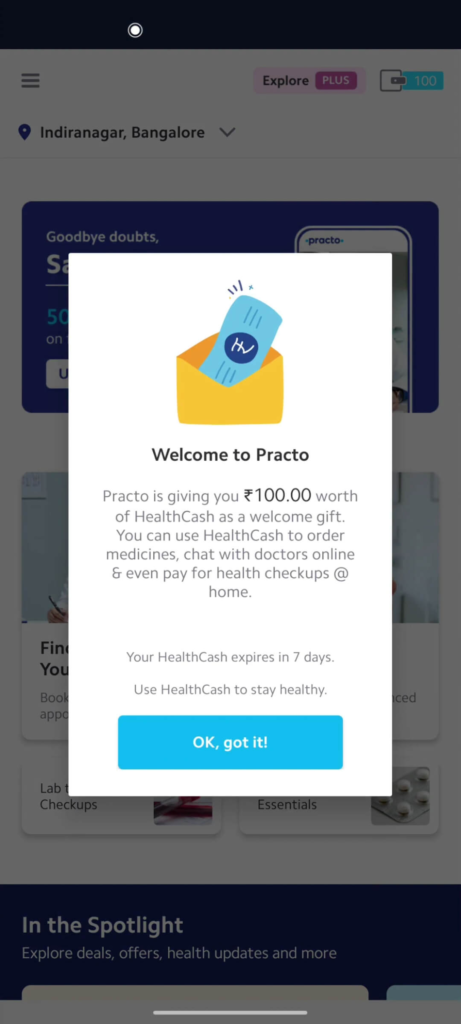
This limited-time reward, valid for 7 days, promotes immediate exploration of services like online doctor consultations and medicine orders.
As a digital marketing campaign, it leverages urgency and exclusivity to get more patients and retain new users. That positioned Practo’s platform as a go-to for broad healthcare needs.
The strategy aligns with digital marketing goals by boosting initial user engagement and fostering long-term platform usage.
2. New York-Presbyterian Hospital’s Personal Stories Campaign
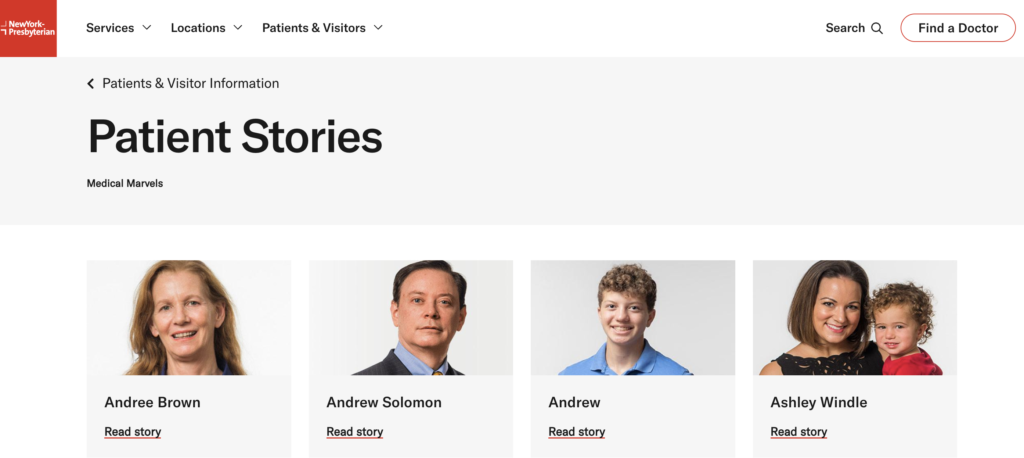
New York-Presbyterian Hospital’s campaign shared real patient stories, fostering trust and showcasing the hospital’s commitment to compassionate care.
These emotional narratives helped the hospital build a strong connection with the public and positioned it as a top choice for healthcare in New York.
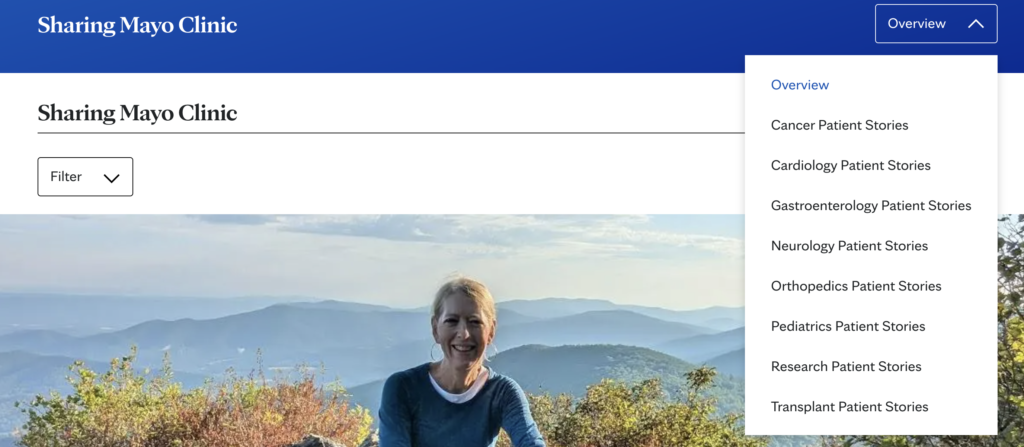
3. Mayo Clinic’s “Sharing Mayo Clinic Blog”
The Mayo Clinic’s blog allowed patients, caregivers, and medical professionals to share personal stories and insights about health and wellness.
This platform became a community hub, enhancing patient engagement and trust by fostering an open, supportive space for sharing healthcare experiences.
4. Carilion Clinic’s Breast Cancer Awareness Campaign
Aiming to raise awareness about breast cancer and encourage regular mammograms, Carilion Clinic’s “#YESMAMM” campaign used a clever hashtag to create buzz on social media.
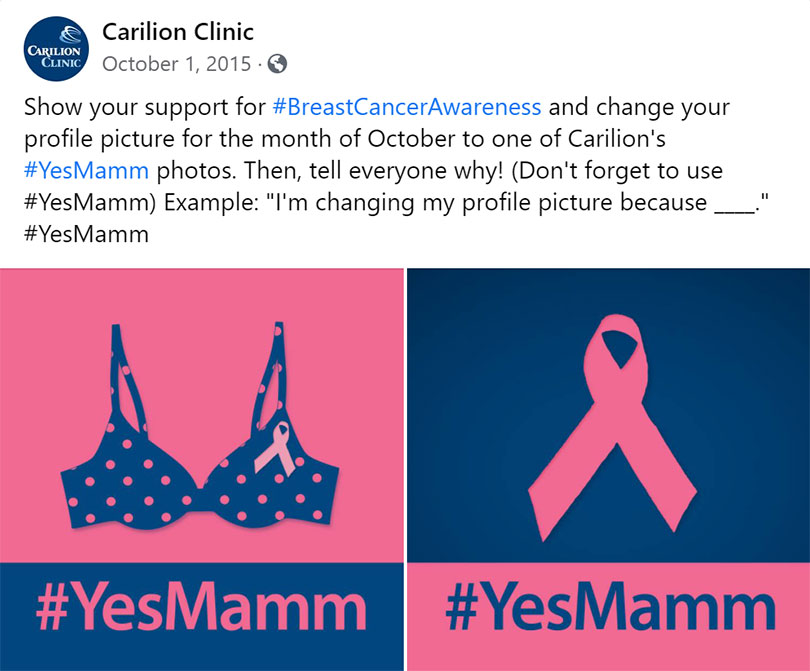
The campaign invited women to prioritize mammograms, and the user-generated content helped extend its reach, promoting awareness across diverse demographics.
5. UnitedHealthcare’s “We Dare You” Challenge
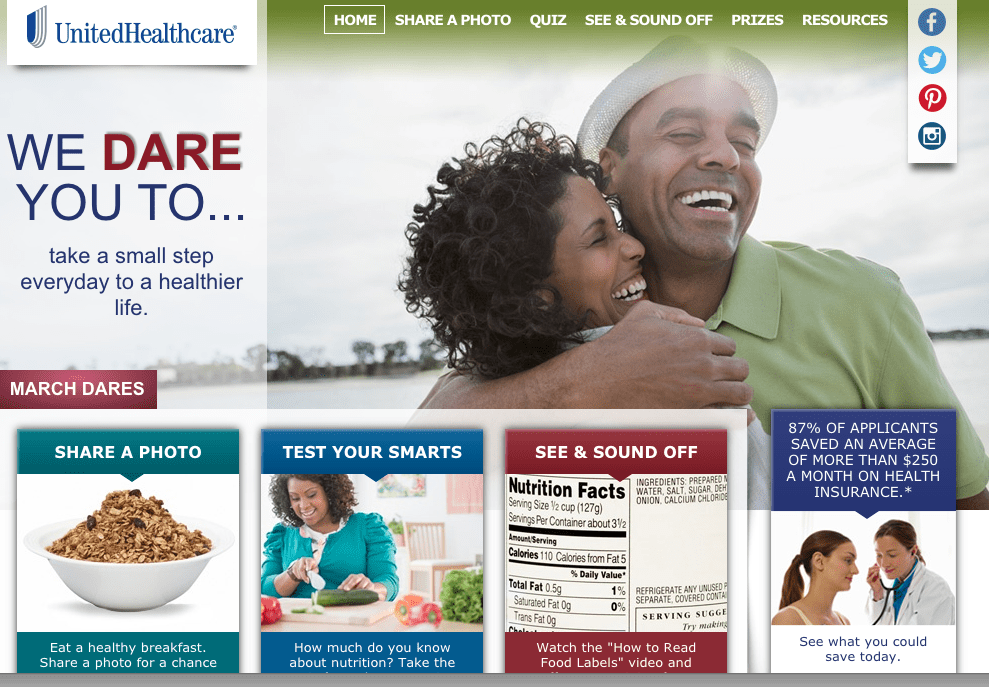
UnitedHealthcare launched the “We Dare You” campaign, challenging people to take on daily health-related tasks like drinking water or exercising.
This interactive campaign motivated people to adopt healthier habits, creating a sense of community and positivity around wellness, while receiving multiple awards for its impact and creativity.
These campaigns demonstrate the power of combining data-driven strategies with empathetic storytelling and interactivity to engage audiences effectively in healthcare.
Final Thoughts
If there is one thing this guide should make clear, it is this: healthcare digital marketing does not fail because teams are lazy or uninformed.
That happens because patient journeys get complicated faster than anyone expects.
Patients already tell you what they want. They search first, compare quietly, and drop off when things feel slow, unclear, or repetitive. The teams that perform well in 2026 are the ones paying attention to those moments.
You don’t need more channels. What you need are fewer obstacles.
In healthcare, progress happens when digital experiences feel calm, clear, and respectful of people’s time. That’s what keeps engagement from breaking down.
Frequently Asked Questions
What is healthcare digital marketing, and how does it work in practice?
At a basic level, it’s how healthcare consumers find, evaluate, and interact with providers online. In practice, it shows up through search results, websites, content, emails, ads, and follow-ups that help people understand their options and take the next step without friction.
Why is digital marketing essential for healthcare providers today?
Because decisions start earlier than most teams expect.
By the time someone calls or books, they’ve already done their homework. If your digital presence is hard to find or unclear, potential patients move on quietly and choose someone else.
Which digital marketing strategies work best in the healthcare industry?
The ones that reduce effort. Search visibility, local SEO, clear service pages, helpful content, email follow-ups, and targeted paid ads tend to work best when they’re aligned around a clear target audience, not run in isolation.
How can healthcare organizations improve patient engagement with digital marketing?
Start by removing friction.
Clear information, simple booking flows, mobile-friendly pages, and timely follow-ups make a bigger difference than flashy campaigns. When things feel easy, patients engage more.
What are the most common challenges in healthcare digital marketing?
Most challenges come down to balance. Personalization needs to feel helpful, not invasive. Privacy has to stay solid without slowing everything down. And performance still needs to justify ROI. When those pieces line up, execution gets a lot simpler.