Influencer marketing no longer feels like a niche tactic reserved for beauty brands or viral tech startups.
It has become a core part of how companies communicate, build trust, and expand their reach in an increasingly competitive online world.
Yet many teams still struggle with one key piece of the puzzle: outreach.
Sending a DM or a quick email should be the easiest part. In reality, it’s where most collaborations fall apart.
Creators ignore messages, responses are delayed, or the conversation ends before anything meaningful happens.
A big reason is that influencer outreach is often treated like a numbers game.
Brands send the same message to dozens of creators and hope for the best. Unfortunately, creators can spot these copy-and-paste requests immediately.
A more thoughtful, layered outreach strategy changes everything. It creates stronger first impressions, clearer expectations, and better long-term partnerships.
Why Typical Influencer Outreach Fails
Most outreach efforts fail because creators receive a flood of partnership requests daily, so generic or unclear messages often get lost in the noise.
Here are the issues that show up most often:
- Messages look automated or copied.
- The offer doesn’t align with the creator’s content or audience.
- Expectations are unclear or overly demanding.
- The tone feels transactional instead of collaborative.
- Outreach happens without prior engagement or familiarity.
Clear communication makes a noticeable difference, and even professional writing assistance, similar to what write my paper for me services offer, can help teams structure outreach messages that feel more thoughtful and less generic.
In other words, teams forget that creators are running a business. They need clarity, context, and respect for the work they do.
Once outreach becomes more intentional, response rates rise quickly.
The Three-Layer Outreach Framework
The framework below focuses on alignment, relationship-building, and personalization, which makes outreach far more effective.
- Discovery and audience alignment
- Warm-up and pre-engagement
- Personalized outreach with a clear value proposition
Each layer builds trust before the first message even arrives.
1. Discovery and Audience Alignment
Finding influencers is easy. But finding creators who can genuinely expand a brand’s reach takes more precision.
Teams typically start with three alignment filters.
A. Audience Fit
The creator’s audience should complement the brand’s goals. Follower count matters less than:
- Comment quality and sentiment
- Audience geography
- Age and interest patterns
- Whether the audience interacts with similar content
An influencer with 10,000 engaged followers often outperforms one with 200,000 passive ones.
B. Content Compatibility
The creator’s voice, visuals, and themes should blend naturally with the brand. This includes:
- Style consistency
- Posting frequency
- Ability to tell stories
- Whether brand integration would feel organic
Forced collaborations rarely resonate with viewers.
C. Authentic Credibility
Real influence comes from trust. Useful signals include:
- Genuine comments
- Steady, realistic follower growth
- A community that engages with more than giveaways
- Visible expertise or personality in the niche
Creators with strong credibility predictably deliver stronger campaign results.
2. Warm-Up and Pre-Engagement
Cold messages rarely generate interest. Creators notice when a brand interacts with them consistently, long before pitching anything.
A warm-up phase builds familiarity and increases the likelihood of a response.
A. Engage With Their Content Naturally
This includes liking posts, watching videos, and leaving meaningful comments. Creators often remember the names of people who engage authentically.
Avoid generic compliments. Thoughtful engagement stands out.
B. Share or Highlight Their Content When Relevant
Reposting an influencer’s content (with permission or via platform features) builds goodwill. It shows appreciation instead of entitlement.
C. Respond to Stories or Reels When There’s Something to Add
Quick, conversational interactions help creators view the brand as a person, rather than an anonymous account. This softens the path to future communication.
Warm-up rarely takes more than a few days, yet the impact on collaboration success is significant.
3. Personalized Outreach With a Clear Value Proposition
A message that blends personalization with clarity tends to perform best. A simple four-part structure works consistently well.
A. The Personal Hook
This can reference:
- A recent post
- A long-term content theme
- A creative approach the influencer uses
- A shared interest or audience pattern
It shows real attention and removes any doubt that the outreach is automated.
B. The Collaboration Idea
Creators appreciate specific concepts. Instead of asking whether they’re “open to collaboration,” a more impactful approach is to present one or two potential angles.
Clear ideas help creators visualize the partnership instantly.
C. The Value Proposition
Compensation varies by campaign, but value may include:
- Payment
- Product bundles
- Access to tools or experiences
- Creative freedom
- Long-term collaboration opportunities
Creators often respond faster when they understand what’s in it for them from the start.
D. A Low-Pressure CTA
A simple ending, such as “Would you like a few more details?” works well. It’s respectful of their time and creates a natural next step.
Identifying the Right Influencers
Finding creators who genuinely align with a brand’s goals becomes much easier when teams rely on structured tools rather than relying on guesswork.
Below is a practical breakdown of the tools and steps most marketing teams use today.
Using Platform-Native Discovery Features
Social platforms have improved their creator recommendations significantly.
These built-in tools offer a starting point for identifying creators who already align with the brand’s niche.
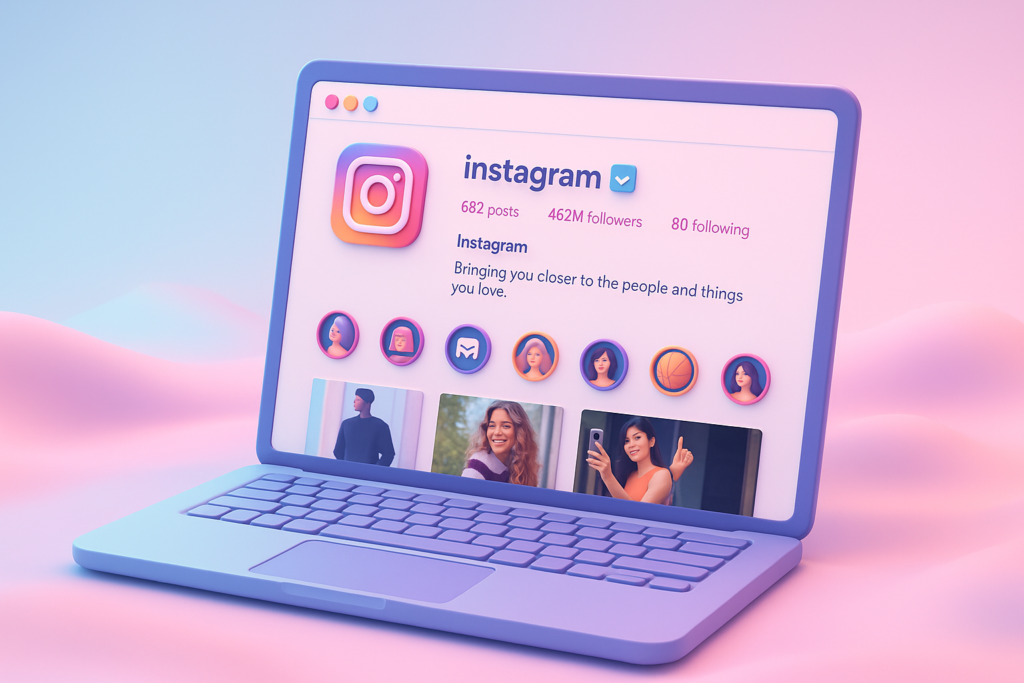
Instagram’s “Suggested for You,” TikTok’s Creator Marketplace, and YouTube’s recommendation engine highlight accounts with strong engagement in related categories.
These lists often surface creators who are active, consistent, and already speaking to the right audience.
Platform-native features are especially helpful for spotting emerging creators before their rates rise or their inboxes become crowded.
Leveraging Influencer Discovery and Analytics Tools
Many teams rely on third-party platforms to analyze creators more accurately.
Tools like Upfluence, Modash, Aspire, and HypeAuditor provide detailed insights into:
- Audience demographics
- Engagement quality
- Follower authenticity
- Content performance patterns
- Previous brand collaborations
These tools help filter out accounts with inflated metrics or inconsistent engagement.
They also reduce the time spent manually evaluating creators one profile at a time.
Most brands use these platforms to compare several creators side by side, making it easier to spot which ones are genuinely worth reaching out to.
Reviewing Recent Content for Consistency and Brand Fit
Even with analytics, manual review remains essential.
Teams often scan the creator’s last 10–15 posts to understand how they communicate with their audience.
A quick content audit reveals:
- Storytelling style
- Frequency of sponsored content
- Authenticity of comments
- Relevance of topics
- Whether brand integration feels natural
This step often eliminates creators who look promising on paper but don’t match the tone, pace, or values the brand wants to communicate.
Consistency across recent content is usually the strongest sign that a creator can deliver reliable campaign results.
Building a Shortlist and Ranking Creators
Once discovery data is collected, teams build a shortlist organized by priority.
A simple ranking system helps determine which creators deserve outreach first. Ranking typically considers:
- Audience relevance
- Engagement stability
- Content quality
- Pricing or partnership expectations
- Availability or responsiveness (when known)
Some teams use spreadsheets; others use internal CRM tools or outreach platforms.
What matters is having a clear list of creators who genuinely align with the campaign’s objectives.
This makes outreach more intentional and significantly increases the likelihood of a positive response.
Creating a Repeatable Workflow for Future Campaigns
Discovery becomes much easier once there’s a consistent process in place.
Most teams eventually build a documented workflow outlining:
- Where they search for creators
- What data they collect
- How they verify authenticity
- Who approves the shortlist
- When outreach begins
A repeatable workflow saves time, keeps the quality of partnerships high, and helps teams scale influencer campaigns without losing alignment.
It also ensures that every campaign begins with creators who are a strong fit, which lays the foundation for better engagement and stronger long-term collaboration.
Choosing the Right Partnership Structure
The format of the collaboration influences creator interest and campaign outcomes. Three models appear most often.
Product-Only Partnerships
These work best for:
- Nano and micro creators
- Products that genuinely add value to their niche
- Brands looking to build long-term relationships without immediate pressure
If the product solves a real problem, creators respond with enthusiasm.
Paid Partnerships
Paid campaigns make sense when:
- Creators produce high-quality video content
- The brand needs specific deliverables
- Timelines matter
- There are measurable goals, such as reach or conversions
Paid partnerships should feel like creative collaborations, not transactions.
Hybrid Models
These combine product and payment. They offer flexibility and encourage stronger buy-in from creators.
Hybrid formats often lead to long-term partnerships and organic posting beyond the contracted deliverables.
What Metrics Actually Matter
Not every campaign aims for the same outcome. The right metrics depend on the brand’s goals.
Common performance indicators include:
- Engagement rate
- Saves and shares
- Audience retention for videos
- Click-through rate
- Quality of comments (questions, interest, curiosity)
- Conversion events when relevant
- Brand lift indicators, such as followers or mentions
Impressions alone don’t reveal whether the content influenced the audience. Stronger metrics reflect genuine attention and interaction.
Some teams also rely on creators’ internal insights, often shared via screenshots or exported reports.
Maintaining Strong Long-Term Creator Relationships
Successful influencer outreach doesn’t end once content goes live. Creators remember brands that communicate clearly, pay promptly, and offer creative freedom.
A few practices help maintain strong relationships:
- Sending detailed briefs without restricting the creator’s voice
- Being open to their creative ideas
- Providing honest and respectful feedback
- Celebrating campaign wins
- Inviting them back for future projects
Long-term partnerships feel more natural to audiences and typically yield stronger results.
What’s Next
Brands that approach influencer outreach as a relationship-driven process consistently achieve stronger results.
Clear alignment, thoughtful engagement, and personalized messaging create a far more compelling foundation than mass-sent emails or automated DMs ever will.
When teams slow down enough to understand creators, collaboration becomes easier, faster, and more rewarding for both sides.