If fashion is your passion and you’re ready to share it beyond your inner circle, this is a great moment to step in.
The fashion influencer world has been growing nonstop, and earlier projections placing brand partnerships at around $8.36 billion in 2025 are now becoming a reality.
So yes, the demand for creators hasn’t slowed down at all.
And here’s the good news: getting started doesn’t need to feel complicated.
That’s why I’m here to guide you through how to become a fashion influencer in a way that feels simple and doable. You don’t need perfect outfits or a huge setup. What you need is direction, consistency, and a style that genuinely represents you.
Let’s walk through it together and build something you’ll feel confident sharing.
Shall we begin?
Why Fashion Influencing Is Still a Massive Opportunity
Fashion creators run the show today.
People don’t wait for magazines or ads to tell them what’s trending. They look at real outfits, real creators, and real opinions. That shift changed everything.
And brands caught on fast. As Gitnux notes, about 72% of fashion companies already work with influencers, and 65% of consumers say social media pushes them toward specific fashion purchases.
That’s real influence, and it’s happening daily. And audiences aren’t slowing down either.
Per Gitnux, around 65% of consumers follow at least one fashion influencer. They want someone who gets their style and helps them make better choices without feeling overwhelmed.
This is why the space still works for new creators.
You don’t need a giant following to stand out. You need a clear point of view and the discipline to show up.
If you’ve been thinking about starting, this is one of the few corners of the internet where fresh voices still rise fast.
Fashion Influencer Statistics That Matter Right Now
Before we get into the steps, here’s a quick reality check: fashion influencing isn’t just hype.
People are buying, trusting, and following creators at scale. These numbers show you how strong the space really is:
- 27% of fashion and beauty shoppers who follow influencers have purchased luxury items directly through TikTok or Instagram.
- 24% of shoppers in this category trust recommendations from micro-influencers. That’s the power of specific niches.
- 59% of fashion consumers say user-generated content influences their clothing purchases, as reported by WiFi Talents.
- 80% of fashion brands use influencers to increase their visibility, per the same source.
What this means for you: You don’t need a huge audience to make an impact. What you need is relevance.
People trust creators who speak to their style, their budget, and their lifestyle. And brands do too.
How to Become a Fashion Influencer: 8 Steps to Get Started
Let’s be upfront. Growing as a fashion creator takes structure.
The influencers who stand out follow a clear path and keep their style consistent, even on the days they don’t feel inspired.
These eight steps give you that same clarity. Follow them with intention, and you’ll build a presence people actually pay attention to.
Step 1. Identify Your Niche
Getting into the world of influence is more or less stepping into a busy market.
Identifying your niche is the first important step to standing out from all the clutter.
Beyond this, a good niche should help in the ability to establishing your special style and developing strong connections with certain brands and the targeted audience.
This would mean that influence should be magnified many times over.
Here are some niches in the industry that you can explore:
Luxury fashion
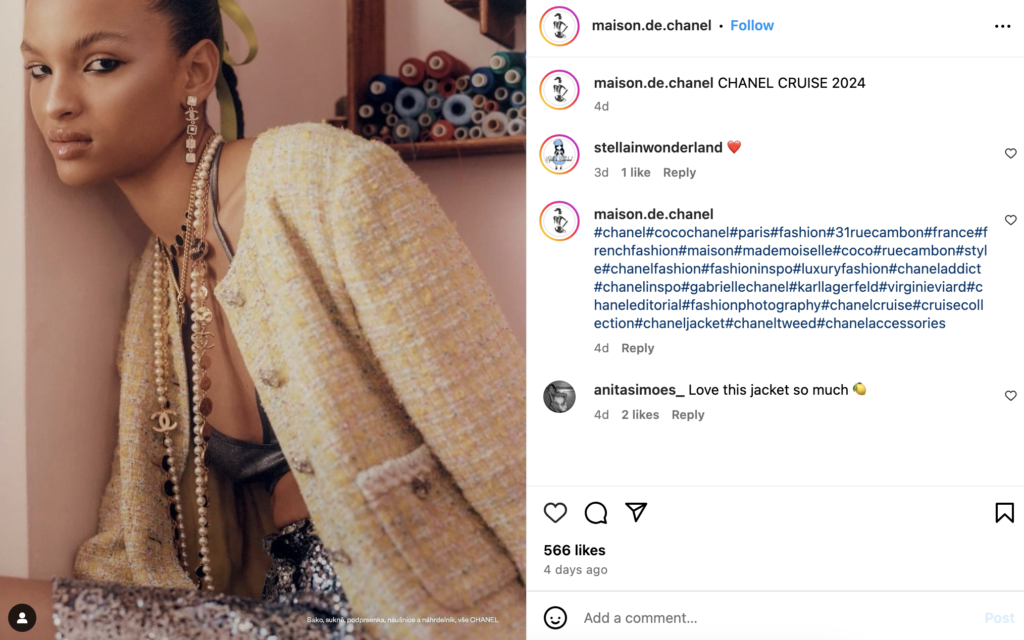
This niche is very colorful, very exciting, and totally high-end. It will appeal to a very niche and elite audience.
For instance, luxury fashion influencers expose high-end brands like Swarovski and luxury events in a way that would connect with an audience that values opulence and style.
Sitting front row at fashion shows, dripping in designer labels, her posts often bridged that gap between luxury brands and their potential high-end consumer.
Streetwear fashion
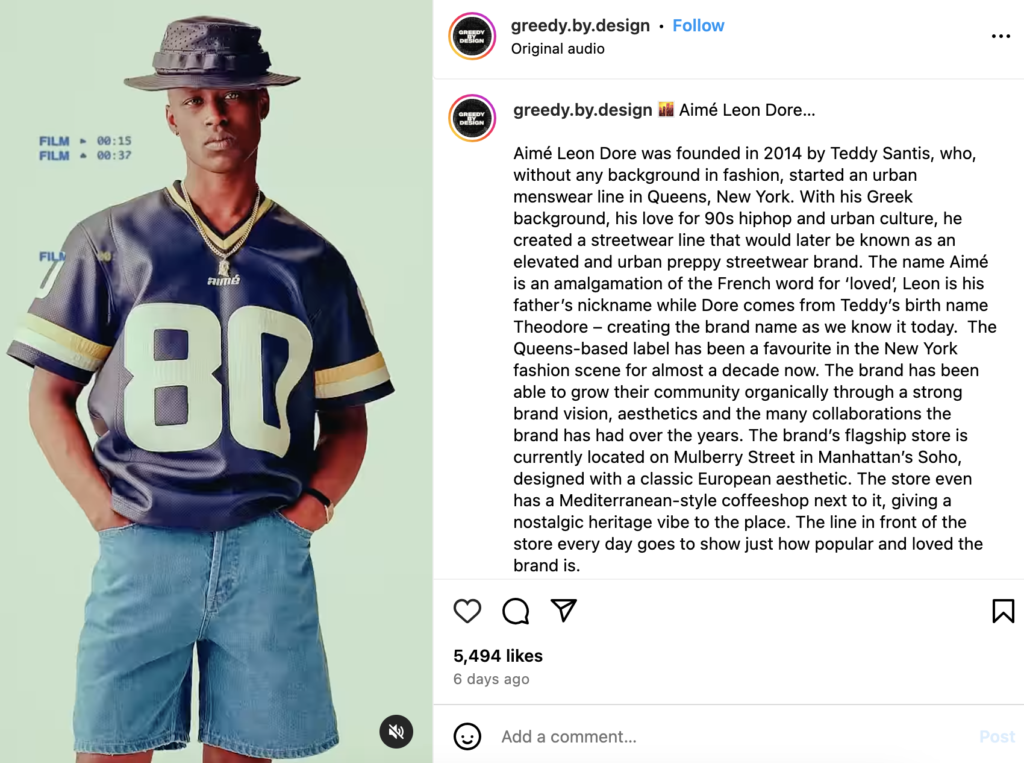
Streetwear influencers are the heartbeat of urban fashion.
Their platforms offer a canvas for the bright, bold, and sometimes experimental fashion meant to appeal to a younger, trend-savvy audience.
But that’s not all. They mix street sensibility with influences from underground subcultures and, when not doing that, at times adding their own strange sense of frills and whimsy.
They don’t just influence the trends. Also, they often play a part in defining what “cool” means for their followers by partnering with pioneering brands.
Sustainable fashion
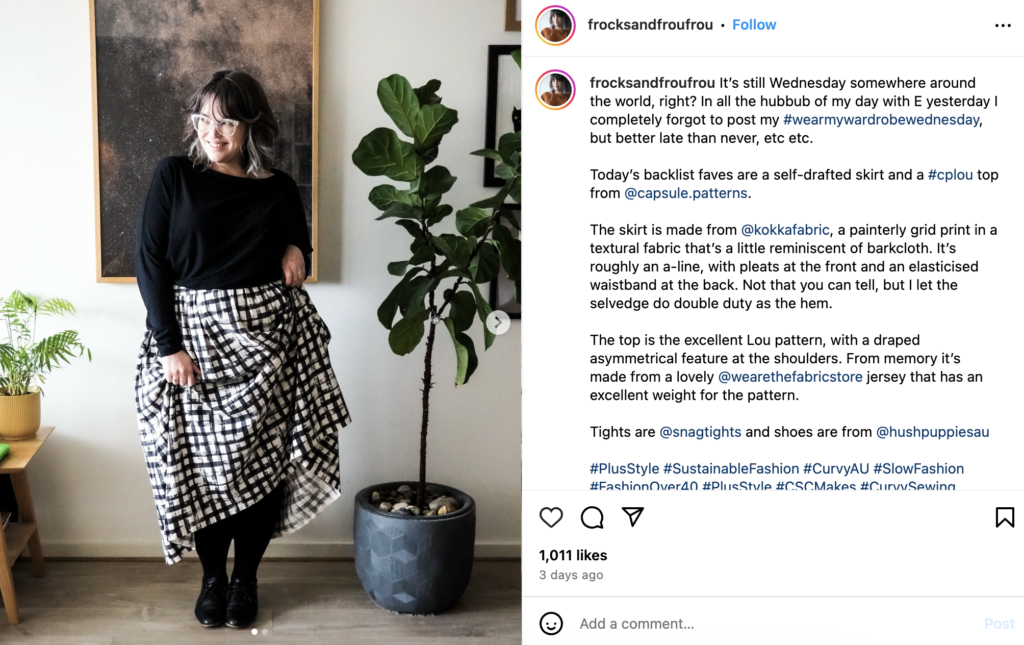
Another area is the fast-growing niche of sustainable fashion.
Influencers in this niche promote eco-brands with environmentally friendly practices and address the layer of consumers who are driven by the environment.
They tell their audience about sustainable material, how it is manufactured ethically, and how to consume fashion that is world-friendlier.
It’s a niche that isn’t about promoting the product. Instead, they advocate for it to make a movement out of it. This makes it one of the most purposeful spaces within the world of influencers.
Now you have a clearer idea about the niches, right? Let’s continue then.
Once you have picked your niche, it’s not like you are just picking the type of clothes you are going to be showing off.
Instead, you are picking the community that you want to build, the brands that you will want to build equity in, and the message that you will want to spread.
In the crowded and colorful world of fashion, never forget that your niche is your spotlight. Ensure that the spotlight is where you love most!
Step 2. Develop Your Authentic Style
The second step on your journey to becoming a fashion influencer is developing your unique style. That’s the most vital element that will surely set you apart in the saturated market of fashion.
After all, personal style has everything to do with the curation of a wardrobe that will be your best friend and will have enough to say about you when you’re not speaking.
Think of your style as your signature. An expression of who you are that speaks clearly to your followers even before you’ve said a word.
Your personal style is your identity in the fashion world for your brand.

This is what your followers, the brand, and even your peers will attach to your name.
For instance, whether you like edgy, futuristic clothes or timeless and classic, simple ones, every choice creates a story of what you present.
It really goes beyond the clothes. It’s how you select the accessories, how you put your outfits together, and even how you present them on your blog.
Being consistent with that style solidifies your brand and puts you in a position of being a consistent figure in that particular realm of fashion. It’s all about being the go-to inspiration for that particular aesthetic.
Also, your collaborations and partnerships are going to be steered by your unique style. Why? Because brands would rather work with influencers whose personal brand mirrors the image.
Remember: As you refine your style, each post is a building block to your brand identity.
Your style should narrate a story, one that your audience would like to follow and be a part of.
Step 3. Choose the Right Platform
So, it feels like picking the best outfit for a first date.
Of course, you want to make the best impression.
Each social media site has its own flavor: Instagram is the couture of social media, most befitting for visual storytelling with excellent pictures.
If TikTok is the streetwear of the digital world, the platform itself is wholly dedicated to videos.
@alexxcoll 5 essentials to elevate your Spring / Summer wardrobe #summeroutfits #whattowear #capsulewardrobe #ontrend #summer2024 ♬ original sound – AlexxColl
YouTube is the grand ballroom, perfect for that 5-course piece of long-form content where you can really get in deep with your fashion hauls, tutorials, or behind-the-scenes peeks.
And while picking up a platform that might fit you best for this fashion-influencing journey, just be aware that each one of them comes with a vibe and audience:
- Instagram: The catwalk of social media, perfect for curated images and stories. It’s ideal for showcasing high-quality visuals and engaging directly with your audience through comments and DMs. Great for aesthetic consistency and brand partnerships.
- TikTok: This is the lightning-fast hip platform where short, snappy videos live. If your style of activity targets quick fashion tips, outfit challenges, or trend reactions, then TikTok is definitely your best crowd.
- YouTube: This one might be your very own detailed, personal fashion channel – kinda tutorials, vlogs, or comprehensive reviews. This one allows for attracting people interested in longer content consumption and allows you to build a very strong and loyal community.
- Pinterest: A visual discovery engine. Great for creating mood boards or style inspirations that can help drive traffic to your blog or website and reach new users who are planning fashion projects or seeking ideas for style.
- Snapchat: Great for real-time and behind-the-scenes content. More casually and personally prepared fashion bites and snippets of your daily lifestyle, appealing mostly to a younger and more spontaneous type of clientele.
Match your content style and the best potential target audience platform with the most visibility and engagement that ensures your fashion influence resonates where it matters most!
Step 4. Content Creation
If you’re really going to be entering the world of fashion influencing, detail truly is everything, especially in your content.
The first investment should be a really good quality piece of equipment. A high-resolution camera and a clear, reliable microphone are key tools in setting the stage for visually stunning and sharp-sounding content.
Think of these tools as your paintbrushes in the grand canvas of social media.
Now, let’s talk strategy: engage your audience with authenticity.
Share your real experiences with products, even insert personal stories into your style presentations, and always make it relatable.
This results in a deeper connection with your audience, where your advice and recommendations become more real.
Also, quality is paramount: make sure your images are sharp and attention-grabbing. The proper lighting can do wonders for your shots and display your outfits in all their glory.
And keep on going; consistency in posting is your best friend in this rapidly growing and developing social media world.
Remember, your content is not just seen; it’s experienced.
Through quality maintained and delivered time after time, you would build yourself a reputation of being a fashion influencer to look out for.
Engage often, laugh out loud from the captions, and always keep everything stylishly you because, after all, this runway is your very own!
Step 5. Grow Your Audience
Building and growing your audience as an influencer is like hosting the hottest party in town: you want everybody to come, stay, and rave about it!
First, start building an audience by really engaging with your followers.
Engage with commenters and incorporate questions into the post to increase interaction. Share the content that receives your opinion, and use strategic hashtags to reach beyond your current following.
Another avenue of collaboration is doing joint ventures with other influencers or brands that make sense within your niche and tapping into each other’s audiences.
It would work really well not only to diversify the content but also to attract some potential new followers.
And finally, never underestimate the power of listening to your community. Feedback is golden; it helps you understand what’s working, what isn’t, and what they’d like to see more of.
This is a two-way conversation that not only builds an even stronger relationship between you and your followers. It also keeps them on your page for a longer period, therefore engaging further in your content.
You’re building a community where the conversation continues.
Step 6. Monetize Your Influence
So, when it comes to taking that kind of fashion influence and turning it into a moneymaker, think of your account more as a boutique where each post could theoretically ring the register.
There are a few different approaches to monetizing fashion influence:
- Sponsored Posts
These are posts in which a brand actually pays a creator for the feature.
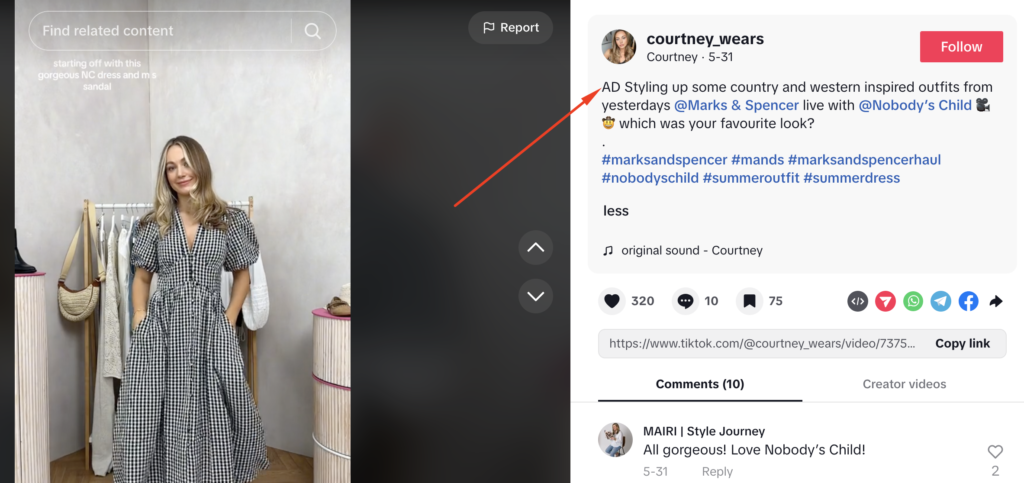
For example, a shoe brand’s latest shoe collection could engage a fashion influencer to come up with posts presenting said latest collection.
The key is to keep it real while naturally giving context to the product within your style and content themes.
- Affiliate Marketing
This is a marketing effort that will earn you a sales commission from either your company or someone else’s products.
It allows users to share products they like through a unique affiliate link, and users earn a percentage from a sale when they refer buyers to make a purchase from the given link.
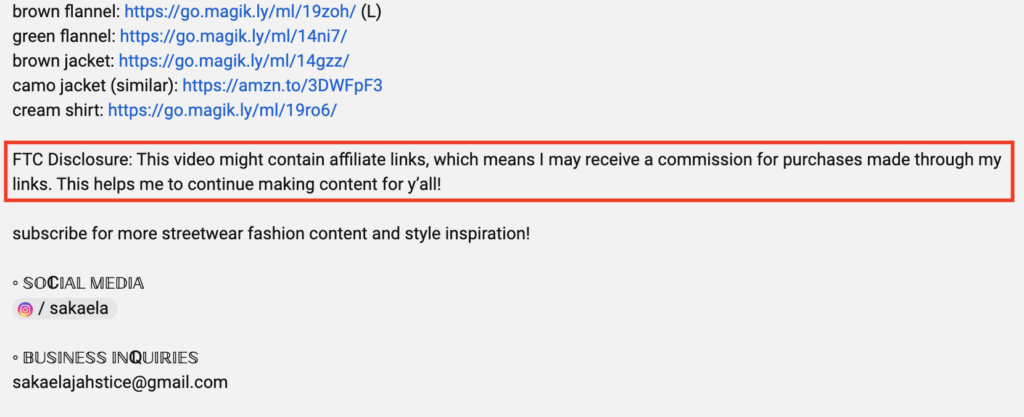
For instance, you recommend a certain brand of designer bags, and your audience goes ahead and makes orders through your link. This way, you are sure of getting a certain percentage from the sale.
- Merchandise
Launching your own merchandise line is a way to directly monetize your personal brand.
It may go from a limited edition of your custom t-shirts to a line of accessories branded with your particular style or motto.

- Workshops or Webinars
Fashion influencers may take up workshops or webinars where they will present their knowledge about styling, fashion trends, or personal branding to the public. They also charge a certain amount at the time of registration for the workshop.
- Offering Personal Styling Services
A lot of individual stylists can offer consultation services to people seeking styling, given the world of fashion and make-up influences strongly. Virtual consultations, customized lists, and wardrobe editing can be part of the service.
- Writing and Selling Ebooks or Guides
One of the other ways that a blog can be used to make money is by writing downloadable content in the form of e-books or an in-depth guide on focused subjects within fashion, such as styling tips for a season or capsule wardrobe creation. This helps the audience derive value while, of course, the creator gets to earn income.
Each one of these strategies requires careful planning and execution to make sure that it resonates with your audience and remains true to your brand identity.
Step 7. Seek Partnership Opportunities
Think of the whole game of partnerships through the lens of a fashion influencer, it’s as much an art as it is a science.
Start by identifying brands that you resonate with at a personal level, as far as styling and value systems go.
It simplifies the process: increase your visibility by registering on creator marketplaces where brands look for influencers and use hashtags strategically to link yourself to your desired niche.
A good way around this would be to work with influencer agencies that can bridge the gap between you and potential brand partners, bringing along expertise in the realm of negotiation and collaboration.Then, you will need to make an awesome influencer media kit.
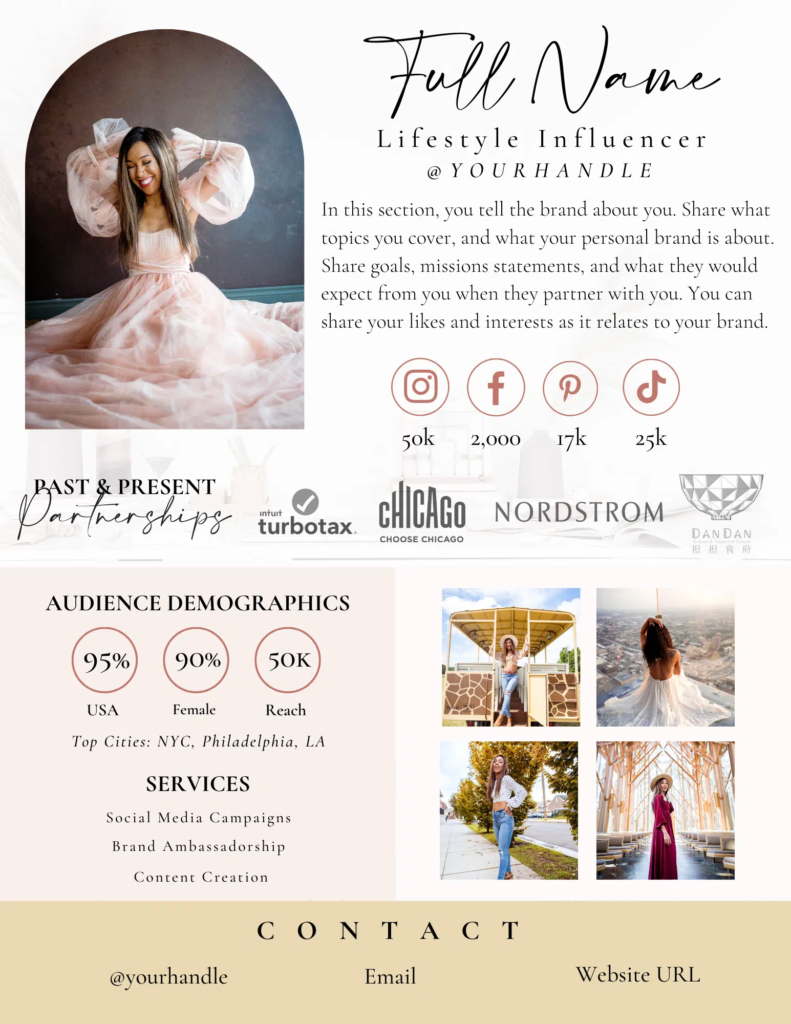
This should include detailed demographics of your audience, engagement rates, and the type of work done. Also, maybe some of your standout content brings to light your unique style and influence.
This is the kit, or rather a portfolio, that you are supposed to present to the brands.
Write to the brand via warm, personalized emails about how a partnership with you can serve its marketing objectives.
Bring what you can to the table with respect to reach, audience insights, and possibly ideas for some content.
Negotiate the opportunity to outline your unique strengths, and be open to discussing how this partnership will be beneficial for both parties.
Be proactive in this case, meaning make it very easy for brands to find and engage with you.
What this means is making more lucrative and fulfilling collaborative opportunities come your way. Hence, in consideration of the above, make sure the approach is business-savvy yet personal.
After all, this is your runway to show your expertise in fashion and the strategy of business acumen.
Keep iterating over your strategies to ensure you always remain relevant and appealing to both the brands and your audience.
Step 8. Learn, Test, Repeat
Keeping on top of trends and digital marketing strategies is key to continually updating your wardrobe. You always want to be season-ready!
As a fashion influencer, you must be on top of the game, poised at every given moment, and agile to changes in the behavior trend of consumers, and also able to be on top of new trends to adjust.
To become a better influencer, here are 10 valuable resources, including online courses, podcasts, and platforms that offer insightful knowledge and strategies:
- Instagram’s @Creators Account: An official resource for tips and updates on using Instagram effectively.
- Influencer Marketing Hub: Offers guides and articles on best practices in influencer marketing.
- Google Digital Garage: Provides free courses on digital marketing skills.
- Coursera’s Digital Marketing Specialization: A detailed course that covers various aspects of digital marketing.
- Hootsuite Academy: Offers social media marketing courses to improve your online presence and content strategies.
- “The Influencer Marketing Lab” (a podcast by Scott Guthrie): Discusses trends and insights in the influencer industry.
- Buffer’s Social Media Marketing Blog: Provides updates and tips on social media strategies.
- Canva Design School: Helps influencers improve their visual content creation skills.
- YouTube Creator Academy: Offers lessons on how to grow and monetize your YouTube channel effectively.
- ‘The Influencer Podcast’ by Julie Solomon: Features interviews with influencers and industry leaders discussing strategies and personal experiences.
Constant ongoing education of this sort will ensure your content remains fresh and that, when necessary, your approaches to influencer marketing are innovative.
If there is one constant in fashion, then it is, in fact, the constant of change. So always be curious and don’t hesitate to learn!
What Successful Fashion Influencers Have in Common
You’ll notice something when you look at creators who actually grow: they share a few habits that keep their content sharp and their audience engaged. If you want to build a presence that lasts, these traits matter.
- Consistency and posting rhythm: They show up regularly. Not in a rushed way, but with a pace their audience can rely on.
- Strong editorial direction and aesthetic: Their content feels intentional. Style, colours, angles; everything follows a clear point of view.
- Understanding trends and platform culture: They know what’s happening on each platform and use it to their advantage without losing their identity.
- Community-building skills: They talk to their audience, reply, interact, and make people feel seen. That’s what turns followers into fans.
- Professionalism with brands: They keep communication clean, meet deadlines, and make partnerships easy. This is why brands come back.
- Multi-platform strategy: They don’t rely on just one place. They spread their presence so they stay visible, even when one platform slows down.
Final Tips for Breaking Into the Fashion Industry
Breaking into fashion influencing doesn’t happen overnight, but it also doesn’t need to feel overwhelming.
So, keep things simple:
- Start with the tools you already have. Your phone and natural light go a long way.
- Stay consistent. One strong post every few days beats random content drops.
- Keep learning how your audience reacts. What they save, share, and comment on tells you what to double down on.
- Don’t chase perfection. Good ideas posted on time outperform perfect ideas that never leave your drafts.
- Give yourself time. Fashion audiences grow steadily when the creator is focused, reliable, and authentic.
If you stick to that mindset, the results follow. You’re building something real, not rushing a trend.
To Sum Up
You don’t need a perfect setup or a massive wardrobe to make this work. What truly matters is clarity, consistency, and a style people can recognize.
If you stay focused on your niche, keep your content intentional, and show up with your authentic point of view, your audience will grow.
Take your time, adjust as you go, and keep your standards high. Fashion influencing rewards creators who stay true to themselves and deliver value with every post.
You’ve got the steps, the structure, and the opportunity.
Now it’s your turn to put it in motion.
Frequently Asked Questions
How do I start my journey as a fashion influencer?
Start by posting. Keep it simple: pick a niche, share your outfits, talk about your style, and show up consistently. Focus on learning how to create content that feels true to you.
You don’t need the perfect aesthetic on day one; you just need to start.
Which social media platforms should I focus on?
Instagram, TikTok, and YouTube are where fashion moves fastest. Each one rewards a different kind of creativity, especially if you enjoy working with photos and videos. Pick the platform that matches your energy and build from there.
How can I gain followers quickly?
Focus on content people actually care about. Strong looks, honest opinions, styling tips, and personality go further than any hashtag. Respond to comments and stay active; connection grows much faster than perfection.
How many followers do you need to be a fashion influencer?
You don’t need huge numbers. Many creators land brand deals with a small but loyal audience. The number of followers matters less than the trust you build with them.
How to become a fashion influencer with no money?
Use what you already own. Thrift, restyle old pieces, borrow from friends, mix basics with statement items. Creativity beats budget every time, and plenty of beauty influencer accounts started the same way: with resourcefulness, not money.
How to become a fashion influencer on Instagram?
Keep your profile clean, your grid intentional, and your Reels consistent. Fashion fans love quick styling tips, transitions, and behind-the-scenes moments. Engage every day; that’s how Instagram pushes your content forward.
How to become a fashion influencer on TikTok?
Lean into short, sharp videos that show your personality. TikTok rewards confidence, humour, and strong visuals. A good hook and a clear style are all you need to stand out.
How to become a fashion influencer on YouTube?
Treat it like long-form storytelling. Share hauls, styling ideas, try-ons, and your real thoughts about fashion. People go to YouTube to spend time with you, so keep it honest and helpful.
Why is personal branding important for fashion influencers?
Your brand is what people remember. It’s your tone, your vibe, your style, and the way you show up online. In fashion, personality is part of the outfit; it’s what sets you apart from every other creator in the feed.
Author bio: Nadiia Shevelieva is a marketing specialist with a strong focus on content marketing and off-page SEO for SaaS and B2B companies. If you need assistance in these areas, feel free to connect with her on LinkedIn.