
Social media marketing has become one of the most accessible go-to-market channels for startups with limited budgets. Unlike traditional advertising, most social media platforms allow businesses to publish content at little to no direct cost, creating an opportunity to reach thousands—or even millions—of potential customers organically.
Success in social media depends on many factors, but one that is often overlooked is choosing the right platform from the start. Even a strong content strategy can underperform if it is executed on a platform that is a poor fit for the business. For startups with limited time and testing budgets, making this decision early can save significant resources and accelerate growth.
What Are We Actually Choosing Between?
“Which platform is best?” is one of the most expensive questions a startup can ask. Each platform has its own audience demographics, user behavior, content formats, and recommendation algorithms. As a result, the same piece of content can perform dramatically differently depending on where it is published.
Step 1: Understand Where Your Audience Spends Time
We all scroll. My dad scrolls YouTube. My younger sister scrolls TikTok and Snapchat. Neither of them is wrong. They simply consume content differently. And that’s exactly why platform selection matters.
Different generations spend their attention in different places, for different reasons. A person opening YouTube is often looking to learn, compare options, or solve a problem. A person opening TikTok is usually looking for discovery, entertainment, and new ideas.
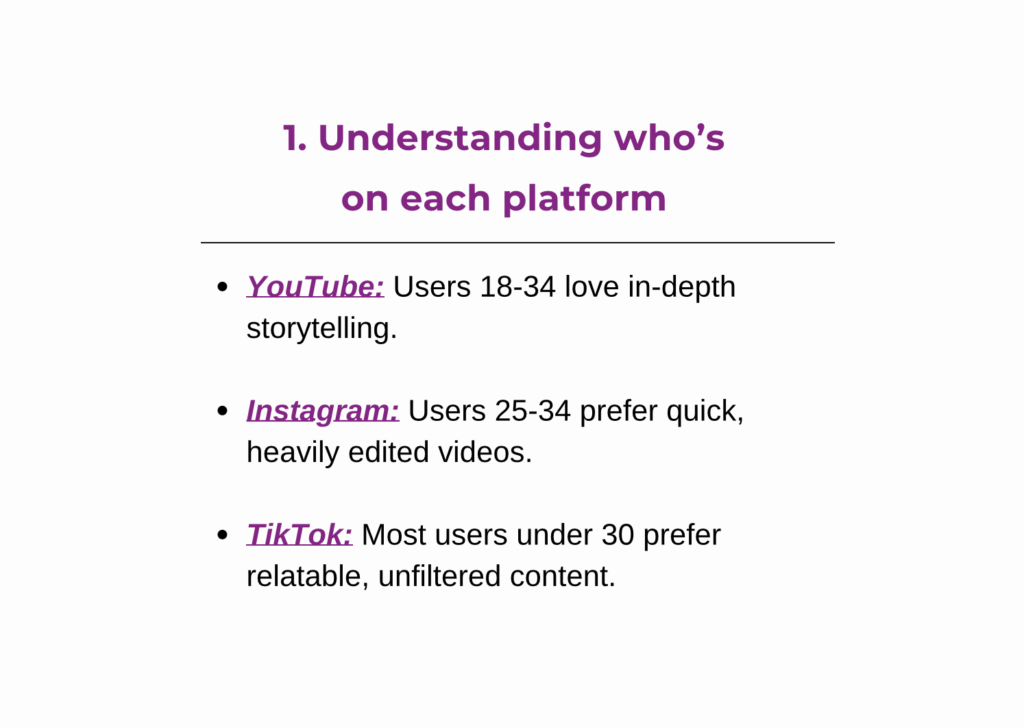
A platform may have billions of users and still be the wrong choice if your ideal customers are underrepresented there.
For example:
- On Instagram, users often follow creators, brands, and communities that reflect their identity and interests.
- On YouTube, users frequently search for answers, compare solutions, and consume educational content with higher intent.
- On TikTok, users are typically in discovery mode and open to finding new products and ideas.
- On Facebook, users often engage through communities, local groups, and existing social networks.
Step 2: Narrow Your Focus
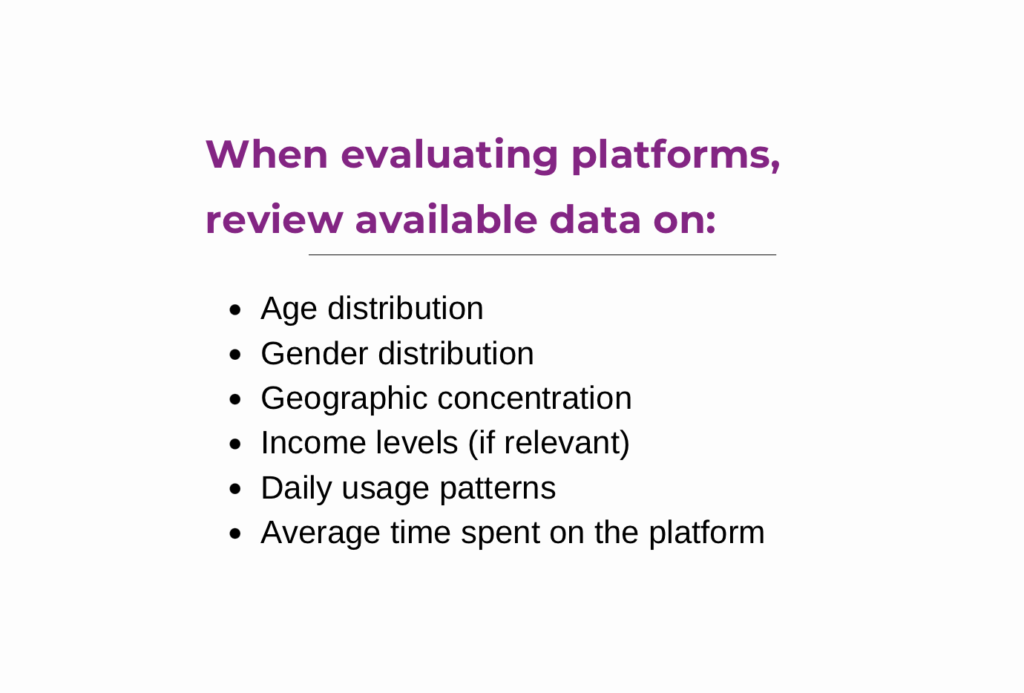
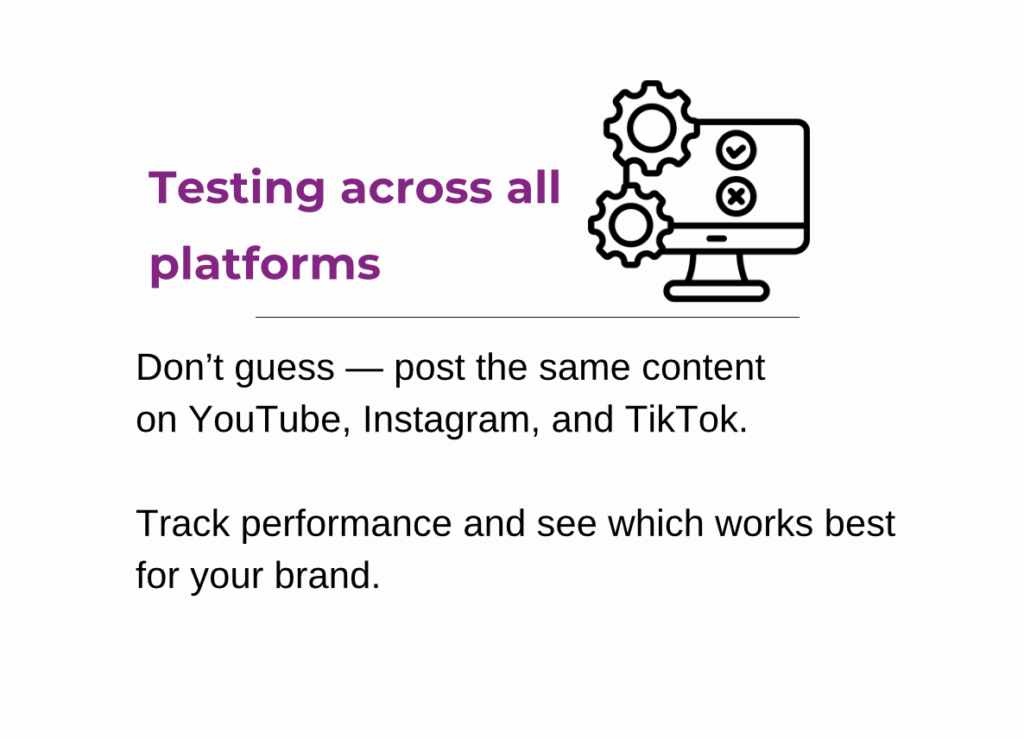
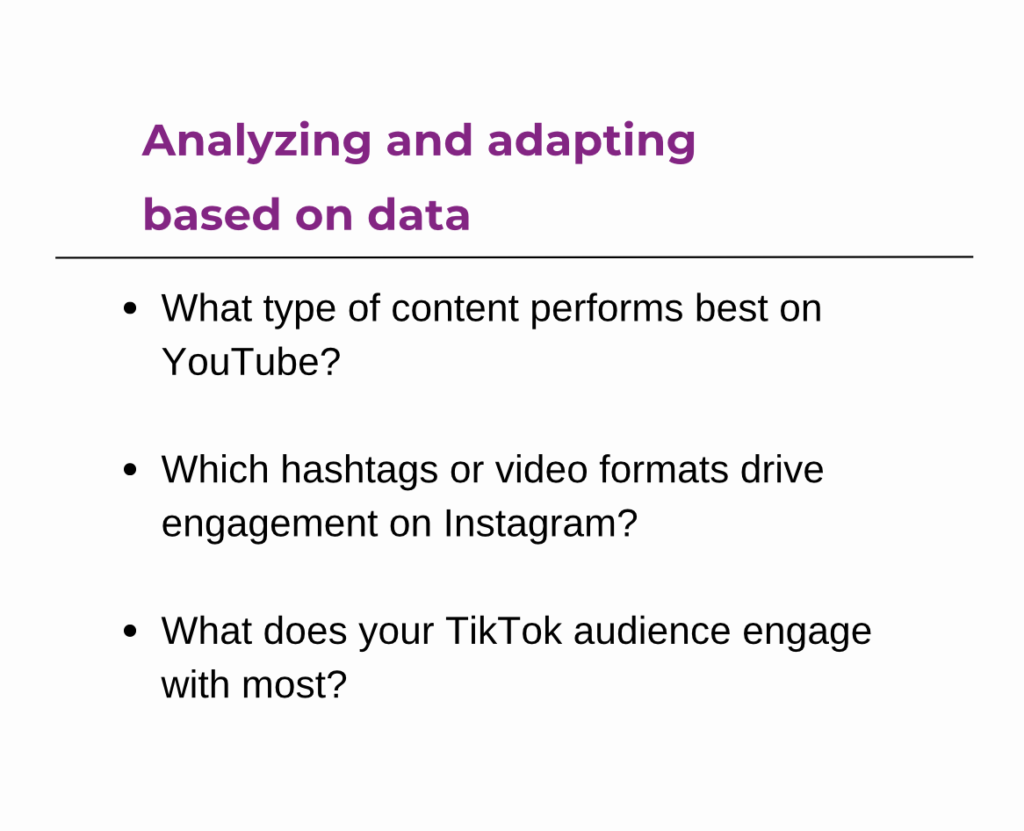
Many startups choose a platform based on assumptions. Before committing significant time and resources to a single platform, run a structured test. Publish the same or similar content across multiple platforms—including TikTok, Instagram, and YouTube Shorts—and compare the results.
This approach allows you to evaluate how different audiences and algorithms respond to your content without having to reinvent your strategy for each platform. The goal is not to stay active everywhere forever. The goal is to gather enough data to identify where your content receives the strongest response.
As a general guideline:
- B2B companies often find success on LinkedIn because decision-makers are actively present there.
- Finance, technology, crypto, and startup-focused audiences are frequently active on X, Reddit, Discord, Telegram, and LinkedIn.
- Products targeting Gen Z and Gen Alpha often perform well on TikTok, Instagram, and Snapchat.
- Educational products and service-based businesses often benefit from YouTube because users actively search for solutions and information.
These are starting points—not universal rules. Every business should validate assumptions through testing.
Case Study: Platform Fit Can Change Everything
One of our clients, Macromusic, is a music-focused dating and social networking app that connects people through shared musical tastes. The company had already established a strong presence in Turkey and was looking to expand into the U.S. market.
The challenge was that nobody knew which platform would be the most effective channel for reaching American users. Like many startups entering a new market, they could have simply followed industry assumptions and invested heavily in a single platform. Instead, we decided to let the data guide the decision.
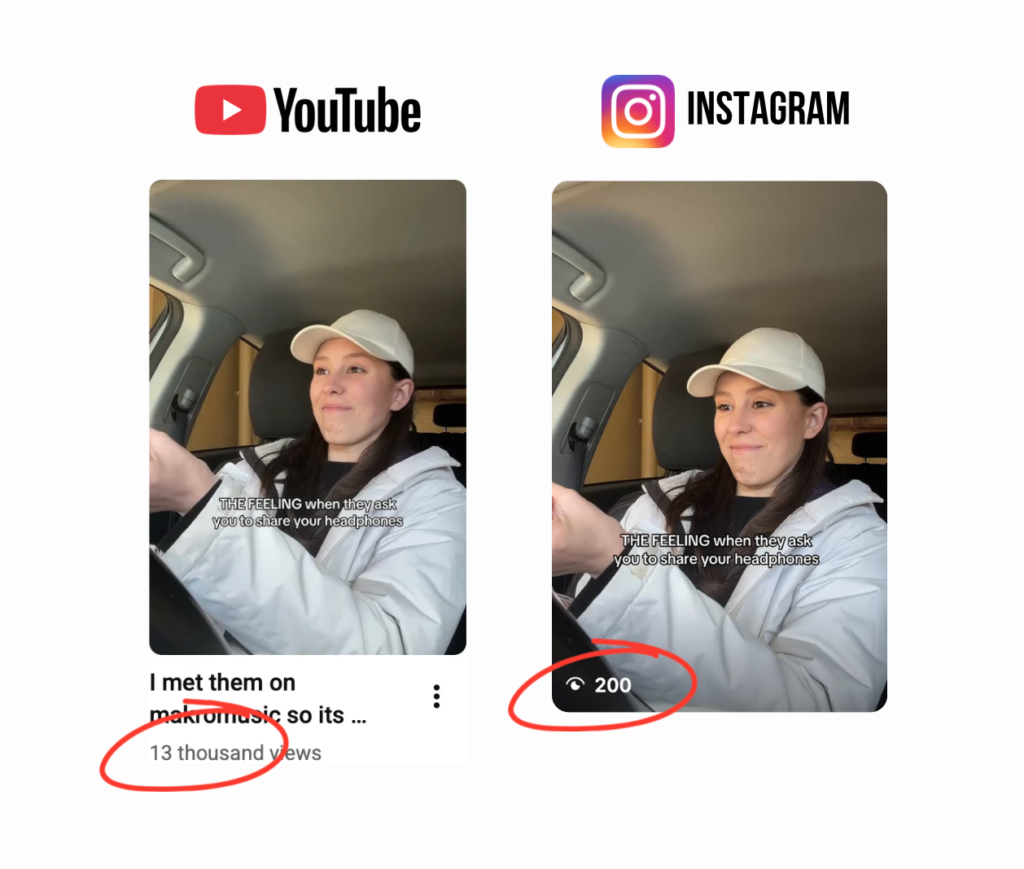
During the first month of our collaboration, we published more than 400 videos and distributed the same content across TikTok, Instagram, and YouTube Shorts. The goal was simple: identify where the audience responded most positively to the product.
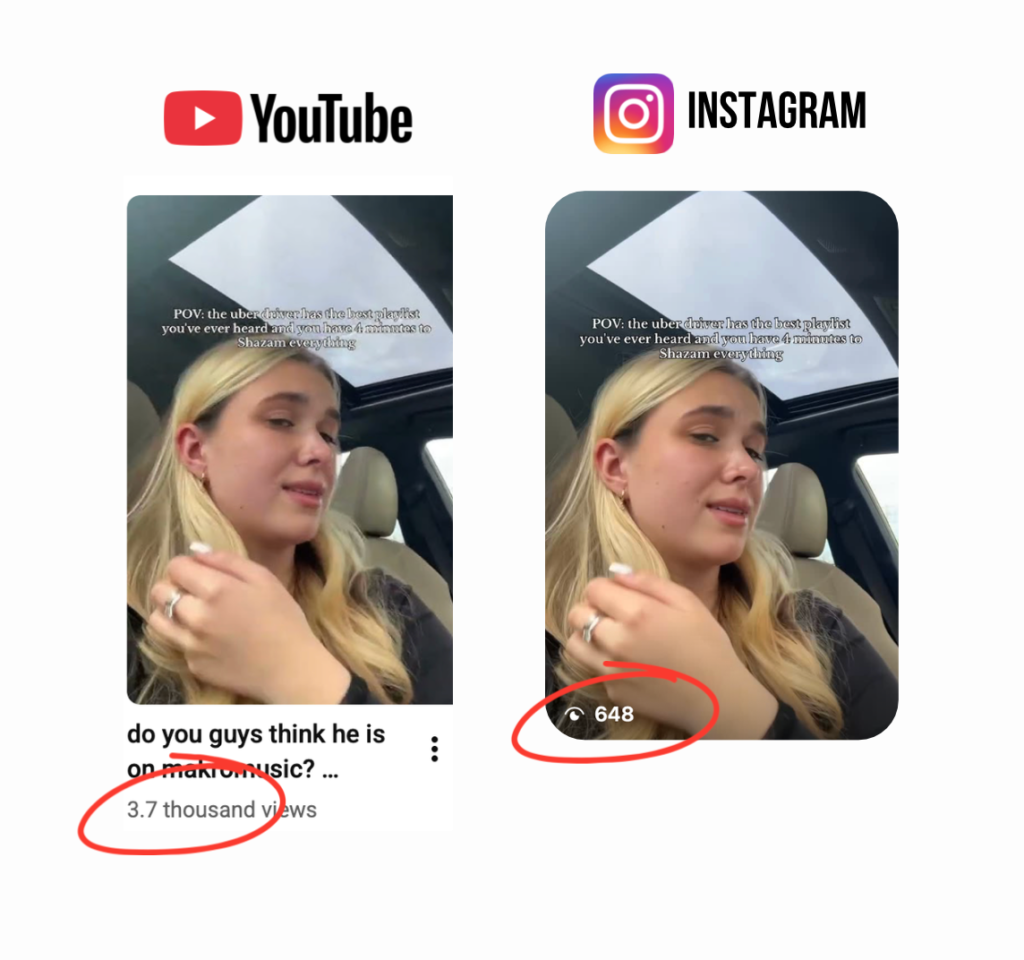
The results were surprising… Many videos that received only 200–300 views on Instagram generated 2,000–20,000 views on YouTube Shorts despite using identical creative assets, hooks, and messaging. The difference was not the quality of the content. The difference was platform fit.
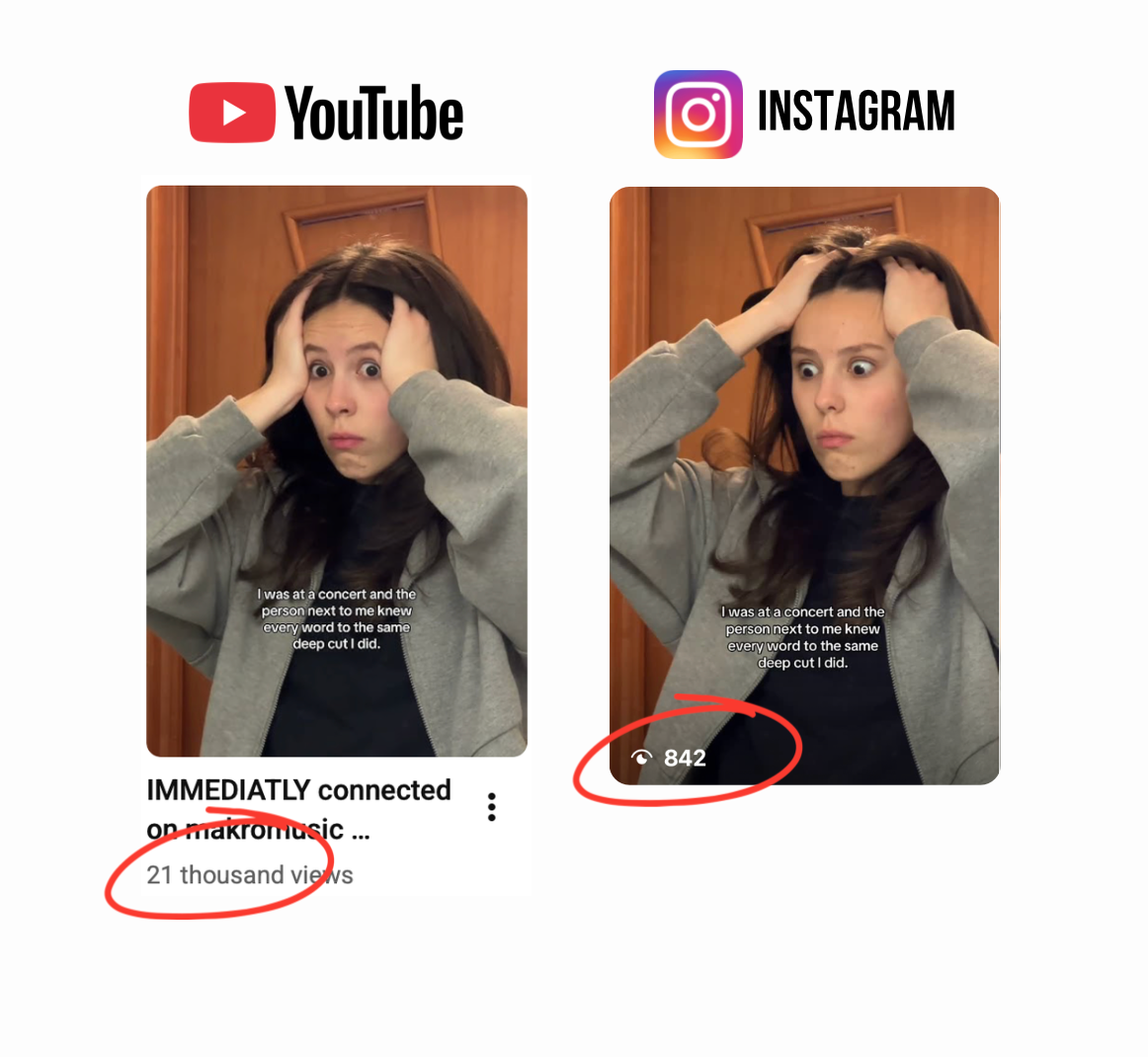
The audience on YouTube appeared significantly more responsive to the concept, giving the content stronger initial engagement signals and broader distribution. This experiment allowed us to quickly identify which platform deserved additional investment and optimization.
Step 3: Adapt Content to the Winning Platform
Once you identify the platform generating the strongest signals, the next step is optimization.
Every platform rewards different behaviors. What performs well on Instagram may not perform well on YouTube. After identifying the strongest platform, begin adapting your content specifically for that platform’s audience and algorithm rather than distributing identical content everywhere.
Before choosing a platform, ask yourself:
- Can your team consistently produce the type of content this platform rewards? A platform may be a perfect audience match, but if your team cannot create the content its algorithm favors, long-term growth will be difficult.
- Does the platform generate the type of conversions your business needs? High reach does not always translate into high-quality leads or customers. The right platform is the one that supports your business objectives, not necessarily the one with the largest audience.
- Does it fit your business model? B2B, B2C, SaaS, e-commerce, and local service businesses often perform differently across platforms because user behavior and purchase journeys vary.
Ultimately, platform selection should be viewed as part of a broader marketing strategy rather than a standalone decision. The right platform can multiply the impact of great content. The wrong platform can make even strong content appear ineffective. For startups with limited budgets, platform selection is often one of the highest-leverage marketing decisions they can make.